An air tightness tester is an instrument used to detect whether a product or system has gas leakage. It works by injecting gas into the object or system under test and measuring changes in gas pressure to determine whether a leakage problem exists. Air tightness testers are widely used in various industries, such as automotive manufacturing, aerospace, and electronic equipment.
We will introduce the principles and types of air tightness leak detectors, as well as how to choose the right air tightness leak detector.
1. Principle
Generally, using an air tightness test method can effectively diagnose whether a device has a leak problem.
Compared with other testing methods, this technology is more accurate, more convenient, and more time-efficient. The differential pressure method is typically used for testing, in which positive or negative pressure is applied to the test object, and sensors monitor the resulting pressure changes in the environment to determine whether the test object has any leakage.
2. Types
Common air tightness tests fall into two major categories: liquid and dry. Liquid models are mostly used in corrosive or explosion-hazard areas, or under unconventional conditions; dry models are generally flexible and safe, easy to carry, and suitable for a wide range of applications. Dry models include the following types:
– Vacuum method: creates a vacuum environment to detect whether gas is escaping.
– Positive pressure method: apply positive pressure to the equipment using a 3 mm resistance line, then observe the bubble size in the viewer to determine the leak condition.
– Negative pressure type: negative pressure is applied at the end of the pipeline, and membrane vibration is monitored in the detector to determine whether leakage exists.
Choosing the right air tightness leak detector requires considering the following factors:
1. Testing requirements: Determine the instrument's testing range and sensitivity based on the specific testing requirements. Different air tightness leak detectors have different testing ranges and sensitivities, so the appropriate instrument must be selected according to the characteristics of the product or system being tested.
2. Instrument type: Air leak detectors come in various types, such as negative pressure leak detectors, positive pressure leak detectors, and micro-leak detectors. Select the appropriate instrument type based on the characteristics of the product under test and the testing requirements.
3. Instrument accuracy: The accuracy of an instrument is an important indicator for evaluating its performance. Choosing an air leak detector with high accuracy and stability can improve the accuracy and reliability of detection.
4. Ease of use: Consider how simple and convenient the instrument is to operate. Choosing an instrument that is easy to operate and maintain can improve work efficiency and reduce usage costs.
5. Price and cost-effectiveness: Based on your budget and actual needs, choose an air leak tester with a reasonable price and high cost-effectiveness. At the same time, consider the instrument's quality and after-sales service to ensure long-term reliable use.
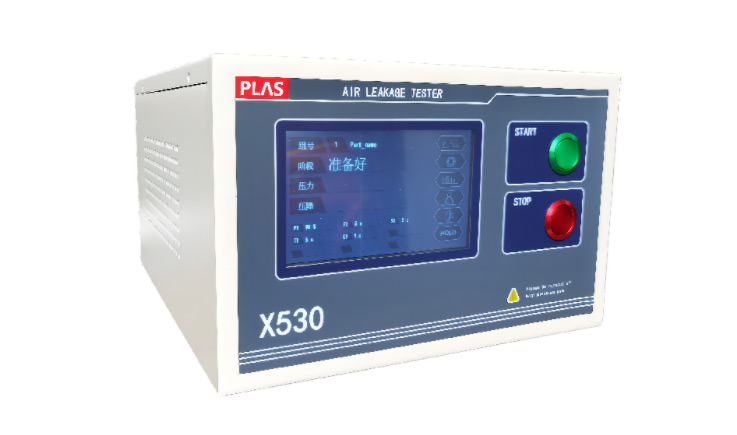
When choosing an air tightness leak detector, you can refer to the manufacturer's product descriptions and technical specifications to understand its performance and scope of application. In addition, you can consult professionals or purchase from a reliable supplier to obtain more accurate advice and options.

WeChat for technical support

PLUS Douyin