Using an air tightness leak detector correctly for testing requires following these steps:
1. Preparation: First, check the status of the air leak tester to ensure the instrument is working properly. Check whether the power supply, air source, etc. of the instrument are properly connected. Confirm that the product or system under test is ready, with no obvious damage or impurities.
2. Set instrument parameters: According to the characteristics and requirements of the product under test, set the instrument's test parameters, such as test pressure, test time, etc. Make the corresponding settings according to the instrument's manual or operating guide.
3. Connect the product under test: Connect the air supply hose of the air tightness leak detector to the gas port of the product or system under test. Ensure the connection is tight with no leakage.
4. Start the test: Start the air tightness tester and let the gas enter the product under test. Observe the changes in gas pressure based on the instrument display. Typically, there will be a stable pressure value during the test; if the pressure continues to drop or fluctuates significantly, a leak may be present.
5. Analysis of results: Based on the readings of the air tightness tester and the alarm function of the instrument, determine whether the product under test has a leakage problem. If the instrument alarms or the readings are abnormal, it indicates that the product has a leak.
6. Locating the leak point: If a leak is detected, the specific location of the leak can be found by inspecting the sealing areas, interfaces, and other parts of the product under test. Some auxiliary tools, such as bubble solution or infrared thermal imaging cameras, can be used to help locate the leak point.
7. Fix the problem: Based on the location and cause of the leak point, take appropriate repair measures, such as replacing seals and adjusting connections, to resolve the leak issue.
8. Retest: After fixing the issue, test the product again with the air tightness leak detector to ensure the leak problem has been resolved.
Please note:
• The air tightness leak detector should be kept dry and clean, and protected from any damage.
• During operation, pay attention to whether the equipment placement and surrounding environment may interfere with the test results.
• The accuracy of testing equipment must always be maintained to ensure accurate and reliable test results. Using an air tightness leak detector for testing can effectively help us detect and resolve air tightness issues in the manufacturing process. Only by correctly selecting, using, and maintaining the air tightness leak detector can we improve production efficiency and product quality.
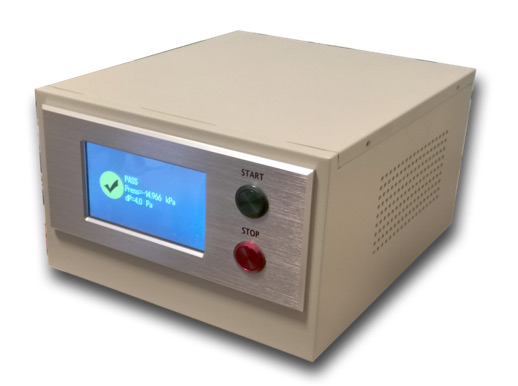
When using an air tightness tester for testing, ensure the accuracy and stability of the instrument, and follow the operating instructions and safety procedures to guarantee the accuracy and safety of the test. In addition, depending on the characteristics and requirements of the product being tested, multiple tests may be required, or different test methods and parameters may be adopted to obtain more accurate results.

WeChat for technical support

PLUS Douyin