Air tightnessLeak detectorIt is a device widely used across various industries to test the sealing performance of products, equipment, and piping systems. We will introduce its principles, classifications, applications, and advantages from the following perspectives.
An air tightness leak detector injects compressed air or other inert gas into the object under test, then observes the pressure change outside the test object to determine whether a leak exists. For example, in automobile manufacturing, mechanics inject compressed air between body components and listen for any escaping sound to determine sealing performance.
Since different fields have different requirements for accuracy and sensitivity, there are various types of air tightness leak detectors on the market. Common ones include diaphragm type, mass spectrometer type, and so on.
Almost every industry requires some form of quality control and safety assurance measures.
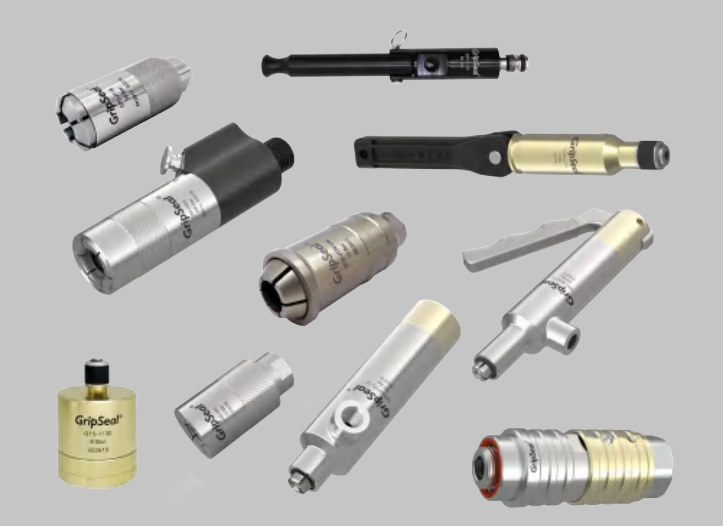
For example, in the production of electronic components, it must be ensured that there are no elements or substances inside each electronic product that need to be discharged to the outside; in the manufacturing of medical devices, it must be ensured that no leakage or overflow occurs in any part of the device. An air tightness leak detector can effectively detect these problems and provide real-time feedback.
Using an air tightness tester for testing is more accurate, faster, and more reliable than traditional visual and auditory testing methods. A single device can complete multiple tests in a very short time and generate detailed reports for subsequent analysis by quality control personnel and engineers.
Air tightness leak detectors play an important role in ensuring product quality. The following are several key functions of air tightness leak detectors in this regard:
1. Leak detection: An air tightness leak detector can detect leaks in products or systems. By measuring gas flow or pressure changes, it can identify the presence of leak points and assess the degree of leakage. This is essential for ensuring the sealing performance of products, especially for critical applications such as automotive engines and medical devices.
2. Preventing quality issues: By detecting and repairing leaks early, air tightness leak detectors can prevent quality problems from occurring. They help companies identify and resolve potential leak hazards before products leave the factory, ensuring products meet design requirements and specifications. This helps avoid product returns, recalls, and customer complaints, enhancing the company's reputation and competitiveness.
3. Improve product reliability: An air tightness leak detector can improve product reliability and performance. By ensuring the sealing performance of the product, it can prevent the external environment (such as moisture, dust, impurities, etc.) from entering the product, reducing the risk of product failure and damage. This is especially important for critical applications such as aerospace and medical equipment.
4. Compliance with quality standards: An air tightness tester helps companies comply with quality standards and regulatory requirements. Many industries and sectors have relevant quality standards and regulations that require products to have a certain level of sealing performance. By using an air tightness tester for testing, companies can ensure their products comply with the relevant standards and regulations, avoiding violations and legal disputes.
5. Data analysis and traceability: Air tightness testers typically have data logging and analysis functions, capable of recording test results and related parameters and generating reports. This helps companies perform data analysis and traceability, and understand product quality status and issues in the production process. By analyzing the data, companies can take timely measures to improve production processes and product design, enhancing product quality and production efficiency.
Air tightnessA leak detector is an essential device used to evaluate and confirm the safety and functionality of products and equipment in various scenarios. It also helps companies reduce costs and improve efficiency.

WeChat for technical support

PLUS Douyin