Gas stoves are a common type of household gas appliance, widely used in both residential and industrial settings. To ensure the safety, performance, and reliability of gas stoves, air tightness testing plays a critical role in their processes, production, service life, and performance, as well as in water circuit sealing, gas sealing, and pressure reducing valve sealing. This article will explore in detail the importance of air tightness testing in the field of gas stoves and provide some effective writing techniques to help you better express your ideas and viewpoints.
I. Process Aspects
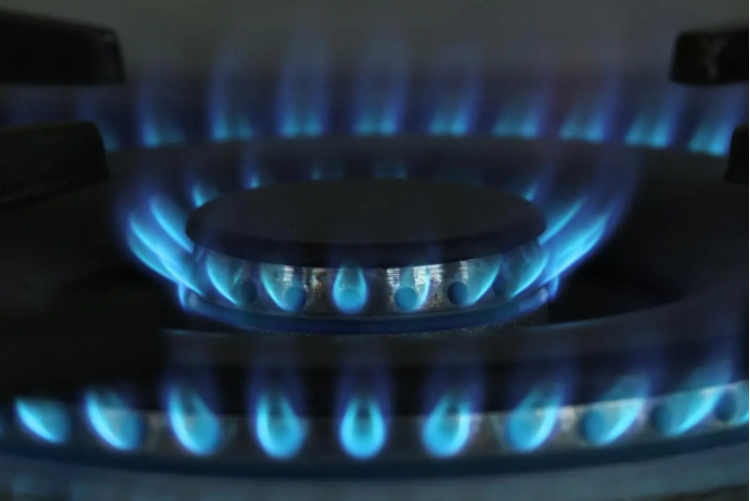
Air tightness testing plays a crucial role in the manufacturing process of gas furnaces. By testing the air tightness performance of gas furnaces, process issues such as poor welding and material defects can be identified in a timely manner, allowing for prompt adjustment and improvement to enhance the production efficiency and quality of gas furnaces. In addition, air tightness testing can optimize the manufacturing process of gas furnaces, improve the stability and reliability of the production line, and reduce production costs.
II. Production Aspects
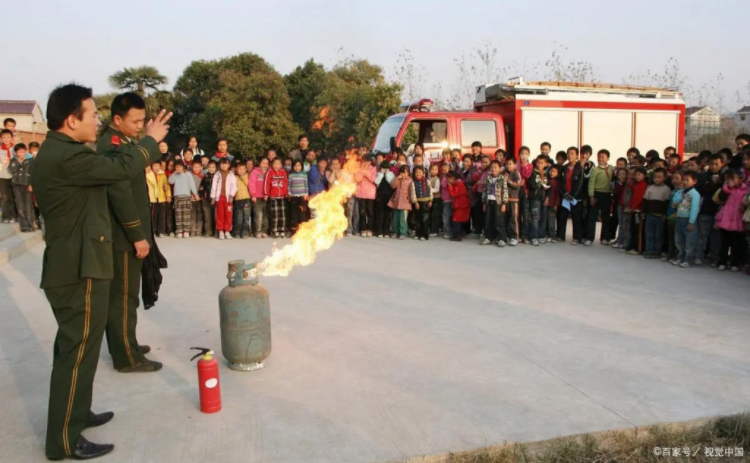
Air tightness testing monitors and controls the production process of gas stoves. By testing the air tightness performance of gas stoves, problems in the production process, such as poor sealing and gas leakage, can be detected in a timely manner, allowing for prompt adjustment and improvement to enhance the production efficiency and quality of gas stoves. Meanwhile, air tightness testing can also optimize the production process of gas stoves, improve the stability and reliability of the production line, and reduce production costs.
III. Service life
Air tightness testing has a significant impact on the service life of gas stoves. By testing the air tightness performance of gas stoves, their service life under different operating environments can be evaluated. For example, in harsh environments such as high temperature and high pressure, air tightness testing can assess the performance of gas stoves, providing a reference basis for their design and improvement and extending their service life.
IV. Performance Aspects
Air tightness testing can evaluate the performance of gas stoves. By testing indicators such as the air tightness performance and gas transmission efficiency of gas stoves, losses and efficiency issues during gas transmission can be identified. Through air tightness testing, feedback and guidance can be provided for the optimized design of gas stoves, improving their performance and meeting users' gas needs.
V. Sealing
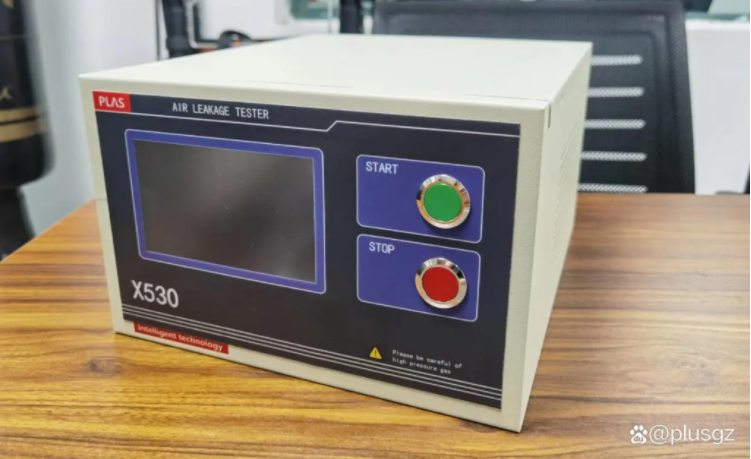
Air tightness testing is of great significance to the sealing performance of gas stoves. By testing the water circuit sealing, gas sealing, and pressure reducing valve sealing of gas stoves, it is possible to ensure that gas stoves will not experience leakage, gas escape, or similar problems during use, thereby improving the safety and reliability of gas stoves.
Conclusion:
In summary, air tightness testing is of great significance to the process, production, service life, performance and sealing of gas stoves. It can ensure that the quality and performance of gas stoves meet the design requirements, improve the stability and reliability of gas stoves, and extend their service life. At the same time, air tightness testing can also provide feedback and guidance for the optimal design of gas stoves to meet users' gas needs. Only gas stoves that have passed air tightness testing can play their due role in household and industrial fields, ensuring the safe and reliable operation of gas stoves.

WeChat for technical support

PLUS Douyin