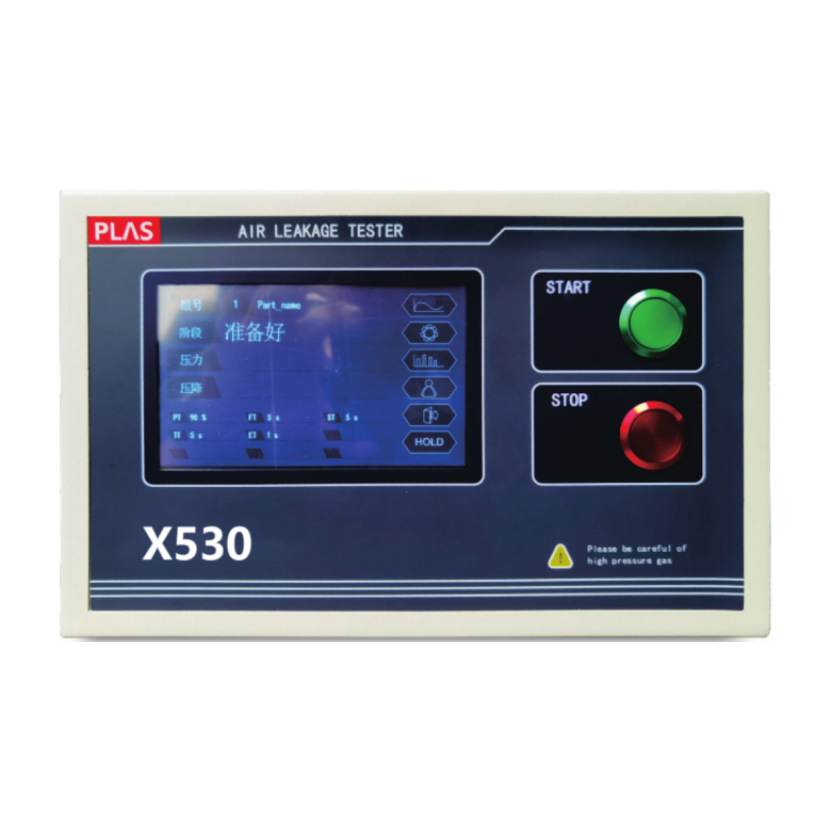
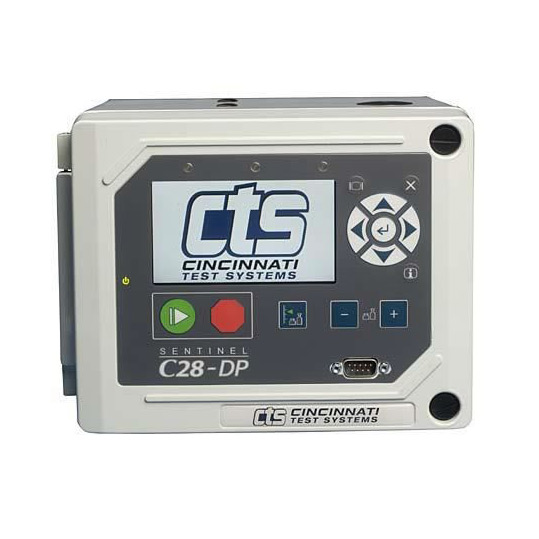
Currently, many products on the consumer market have different requirements for air tightness testing. Depending on the appearance and performance of different products, the choice of air tightness tester also varies. Some require imported leak detectors such asAmerican CTS Leak Tester C28, while others require domestically-made leak detectors such asGuangzhou PLUS X530 Differential Pressure Tester。
First, let's discuss several steps that need to be evaluated before choosing a leak tester:
1. When the company's quality engineers are responsible for determining the specifications, production processes, and test procedures for new components, the product manufacturer should first consider the cost and benefits of leak testing to determine whether testing of the component is required.
2. If it is determined that leak testing is necessary for the manufactured assembly, the next step is to identify potential leak paths. Common areas include welds, seals, microcracks, and pinholes. Most leaks are very small and invisible to the naked eye, which is why precise, data-rich test results are required.
3. After identifying potential leak paths, engineers establish leak rate reject limits for the application based on theoretical calculations, industry standards, and comparison with similar existing application specifications. One of the most common methods for establishing reject levels is to measure the leak rate of customer-returned products.
4. Next, manufacturing engineers can work with engineers from the air tightness tester manufacturer to determine the most suitable leak testing method for the application, whether it is differential pressure decay, positive pressure testing, negative pressure testing, or the flow testing method. Based on the company's budget, the specifications required for the product, the determined testing method, and production integration requirements, product manufacturers can choose the leak testing instrument that best suits their needs.
5. Most of the time, product manufacturers want to integrate the air tightness tester into their production lines. In such cases, once a leak detector is selected, the air tightness tester engineers can work closely with the customer and the machine manufacturer to design customized fixtures that meet the customer's testing requirements.

WeChat for technical support

PLUS Douyin