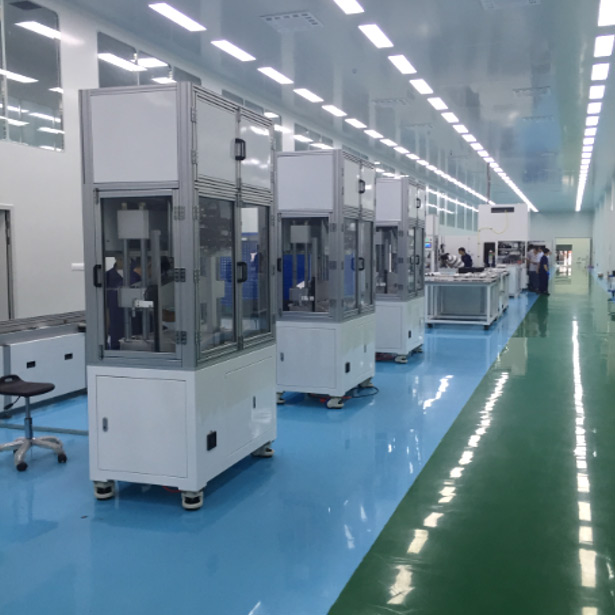
Air tightness is one of the important technical indicators in modern industrial production. Whether it is automobiles, aircraft, medical equipment, or various containers and pipelines, they all need to maintain a certain level of air tightness and require a certain level of waterproof performance. Therefore, in various fields and industries, the use ofSealing Leak Detectorhas become an indispensable tool for quality control and monitoring.
1. Principles of air tightness testing technology.
The principle of air tightness testing technology is mainly based on the physical characteristics of gas flow and pressure changes. By applying a certain pressure to the product or system under test, and then observing the pressure changes or gas flow conditions, its air tightness performance can be determined. Commonly used methods arePressure decay method (pressure decay test)In the pressure decay method, a certain pressure is first applied to the product or system under test, and the initial pressure value is recorded. Then, the air or liquid supply source is shut off, and the pressure change over a period of time is observed. If the system pressure drops rapidly, there may be a leak or poor sealing performance. Conversely, if the system pressure changes very little, the product has good air tightness performance.
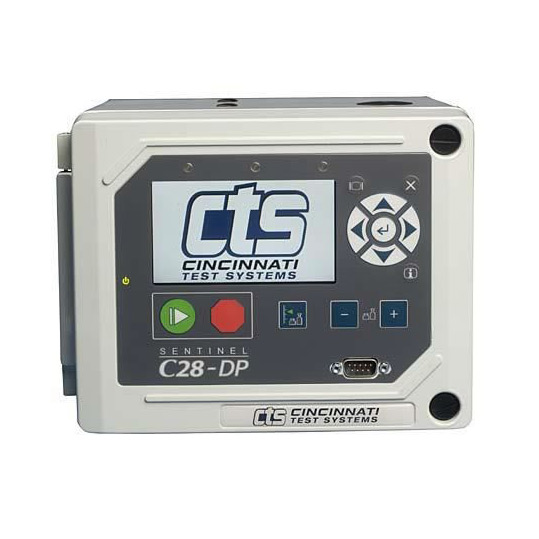
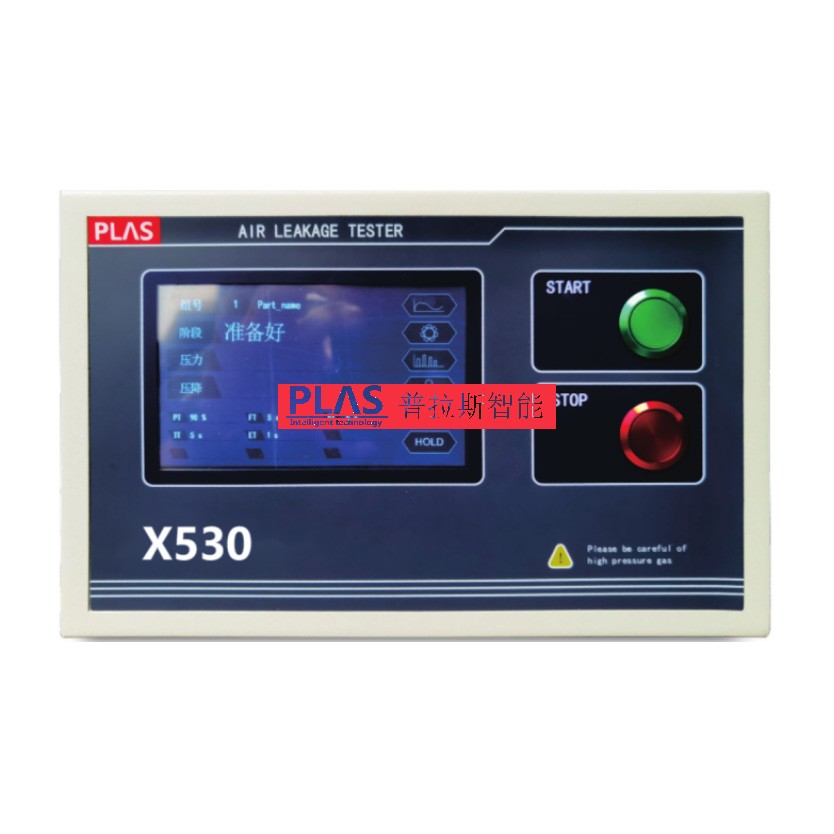
2. Air leak detectors includeImported from CTS, USAwithDomestic Guangzhou PLUS
An air tightness leak detector is a precision instrument used to detect whether sealed containers, piping systems, product assemblies, and other items have gas leaks.
3. Applications of air tightness testers in the field.
Air tightness leak detectorIt plays a vital role in multiple industries, primarily used to test the sealing performance of products or systems to ensure safety, reliability, and quality. The following are application examples of air tightness leak detectors in different industries:
Automotive industry: used to test the air tightness of automotive components, such as engine cylinder heads, fuel systems, brake systems, etc., ensuring vehicle reliability and safety.
Electronic devices: used to test the sealing performance of electronic devices such as mobile phones, tablets, and batteries, preventing malfunctions caused by the ingress of moisture or dust.
Aerospace: In the aerospace field, it is used to test the air tightness performance of aircraft fuel systems, oxygen systems, and air conditioning systems, improving aircraft safety and reliability.
Medical devices: Used to test the sealing performance of medical devices such as syringes, infusion sets, and artificial hearts, preventing gas leakage or contamination that could harm patients.
Refrigeration equipment and home appliances: Test the sealing performance of refrigeration equipment and home appliances to ensure their normal operation and energy efficiency.
Pipes and Vessels Industry: Improve the operational stability of pipes and vessels through air tightness testing.
Military field: Ensure the sealing performance of military equipment to guarantee its reliability in various environments.
General manufacturing: testing the sealing performance of products during the manufacturing process, such as industrial valves, castings, weldments, etc.
Consumer electronics: Test the sealing performance of consumer electronic products to protect internal circuits from moisture and corrosion.
Electrical equipment: Ensure the sealing of electrical equipment such as switches and circuit breakers to prevent electrical faults.
Other fields:Air leak detectors are also used to test various products that require sealing performance, such as diving equipment, inflatable boats, sealed packaging, etc.

WeChat for technical support

PLUS Douyin