An air tightness tester is a device used to test the performance of sealed objects, and it is widely used in industries such as food, pharmaceuticals, automotive, and electronics. Below, we will introduce how to choose and use an air tightness tester.
When selecting an air tightness leak detector, the following factors can be considered:
1. Detection range: Select a suitable detection range based on actual needs to ensure it can meet the required testing tasks.
2. Accuracy and sensitivity: Choose an air leak detector with high accuracy and sensitivity to detect leak points more precisely.
3. Test method: Select a suitable test method based on actual requirements, such as the pressure decay method, mass spectrometry method, or bubble method.
4. Ease of use: Choose an air tightness leak detector that is simple to operate and easy to use, for convenient operation and maintenance.
5. Brand and quality: Choose air leak detectors from well-known brands to ensure product quality and after-sales service.
When using an air tightness tester, here are some commonly used tips:
1. Understand the object under test: Before starting the test, understand the structure and characteristics of the object under test, so as to better select the test method and determine the test points.
2. Preparation: Ensure the object under test is in normal working condition, such as closing valves and releasing pressure.
3. Selection of test points: Based on the structure and characteristics of the object under test, select appropriate test points and ensure that the test points are well sealed.
4. Testing process: Operate and set up the air tightness leak detector correctly according to its instructions, and record the test results.
5. Data analysis: Analyze the test results to determine the location and severity of the leak, and take appropriate corrective measures.
6. Regular maintenance: Regularly maintain and calibrate the air tightness leak detector to ensure its proper operation and accuracy.
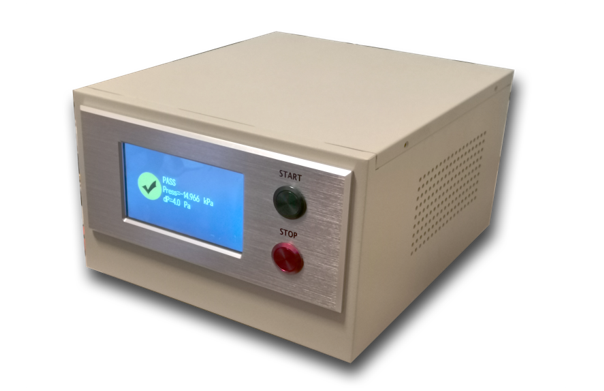
In summary, when selecting an air tightness leak detector, factors such as detection range, accuracy and sensitivity, detection method, ease of use, and brand quality need to be considered. When using an air tightness leak detector, it is necessary to understand the object under test, carry out preparatory work, select appropriate detection points, operate correctly, and analyze data, as well as perform regular maintenance and calibration.

WeChat for technical support

PLUS Douyin