An air tightness tester is a tool specifically designed to test whether equipment or products have leaks. In many industries, such as construction, pharmaceuticals, and automotive manufacturing, air tightness is very important. For automotive manufacturing, using an air tightness tester can also improve production efficiency and reduce the occurrence of quality issues.
The following will introduce the application of air tightness leak detectors in automobile manufacturing.
Air tightness leak detectors are widely used in automotive manufacturing, primarily for the following aspects:
1. Engine Air Tightness Testing: The air tightness of an engine has a significant impact on vehicle performance and emissions. An air tightness leak detector can be used to test the air tightness of an engine, including cylinder gaskets, valve seals, crankcase seals, etc. By testing the air tightness of an engine, leak points can be identified and repaired, ensuring proper engine operation and emissions compliance.
2. Air tightness testing for fuel systems and emission systems: The air tightness of fuel systems and emission systems has a significant impact on a vehicle's fuel economy and environmental performance. Air tightness leak detectors can be used to detect leak points in fuel systems and emission systems, including fuel lines, fuel pumps, fuel injectors, exhaust pipes, etc. By testing air tightness performance, leak points can be identified and repaired, ensuring the normal operation of fuel systems and emission systems and compliance with environmental requirements.
3. Air tightness testing of air conditioning systems: The air tightness of a vehicle's air conditioning system has a significant impact on cabin comfort and driver health. An air tightness leak detector can be used to detect leak points in the air conditioning system, including the compressor, condenser, evaporator, piping connections, etc. By testing air tightness performance, leak points can be identified and repaired, ensuring the normal operation of the air conditioning system and the comfort of the cabin environment.
4. Tire Air Tightness Testing: The air tightness of tires has a significant impact on driving safety and fuel economy. Air tightness leak detectors can be used to test the air tightness performance of tires, including the air tightness inside the tire and between the tire and the wheel hub. By testing the air tightness performance, leak points in tires can be identified and repaired, ensuring the normal operation of tires and driving safety.
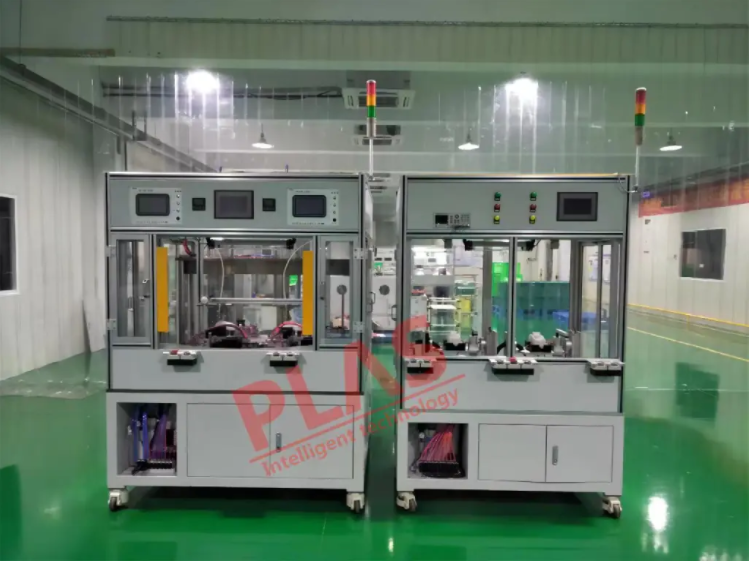
In summary, the applications of air tightness leak detectors in automobile manufacturing mainly include engine air tightness testing, air tightness testing of fuel systems and emission systems, air tightness testing of air conditioning systems, and tire air tightness testing. These applications help ensure vehicle performance, fuel economy, environmental friendliness, and driving safety.

WeChat for technical support

PLUS Douyin