1. Testing of water pipes and pipe connections: In the water treatment industry, air tightness leak detectors can be used to test the sealing performance of water pipes and pipe connections. Water pipes and pipe connections generally need to maintain good sealing performance to prevent water leakage and contamination. By using an air tightness leak detector, it is possible to detect whether air tightness problems exist in pipes and connections, promptly identify and repair leak points, and ensure the normal operation of the water system and the safety of water quality.
2. Testing of water treatment equipment: In the water treatment industry, air tightness leak detectors can be used to test the sealing performance of water treatment equipment. Water treatment equipment typically includes filters, reverse osmosis systems, ion exchangers, etc., and their sealing performance must be ensured to prevent leakage and contamination. By using an air tightness leak detector, the sealing performance of the equipment can be tested, leak points can be identified and repaired in a timely manner, and the normal operation of the water treatment equipment and the safety of water quality can be guaranteed.
3. Testing of water quality monitoring instruments: In the water treatment industry, air tightness testers can be used to test the sealing performance of water quality monitoring instruments. Water quality monitoring instruments are typically used to monitor various substances and parameters in water and need to maintain good sealing performance to prevent contamination and errors. By using an air tightness tester, the sealing performance of the instruments can be tested, leak points can be identified and repaired in a timely manner, and the accuracy and reliability of water quality monitoring can be ensured.
In summary, air tightness leak detectors play a vital role in the water treatment industry. They ensure the sealing performance of water pipelines, water treatment equipment, and water quality monitoring instruments, guarantee the normal operation of water systems and the safety of water quality, and improve the efficiency and reliability of water treatment.
Air tightness leak detectors are mainly used in the water treatment industry for air tightness testing of water pipelines, pipeline connections, water treatment equipment, and water quality monitoring instruments. The benefits of conducting air tightness testing include:
1. Detecting and repairing leak points: Leak points in water treatment systems can lead to wasted water resources, degraded water quality, and equipment damage. By using an air tightness leak detector, leak points in pipes, connections, or equipment can be identified and repaired promptly, reducing water waste and water quality contamination.
2. Improve the efficiency of the water system: Leaks in the water treatment system can cause a drop in water pressure, affecting water flow and supply efficiency. By conducting air tightness testing, leaks can be detected and repaired in a timely manner, improving the water supply efficiency of the water system and reducing energy and cost waste.
3. Ensuring water quality safety: The sealing performance of water treatment equipment and water quality monitoring instruments directly affects the safety and accuracy of water quality. By using an air tightness leak detector, the sealing performance of equipment and instruments can be tested, leak points can be identified and repaired in a timely manner, and the safety of water quality and accuracy of monitoring can be ensured.
4. Enhance equipment reliability and service life: Leak points in water treatment equipment can cause equipment damage and failure, affecting equipment reliability and service life. By conducting air tightness testing, leak points in the equipment can be detected and repaired in a timely manner, enhancing equipment reliability and extending equipment service life.
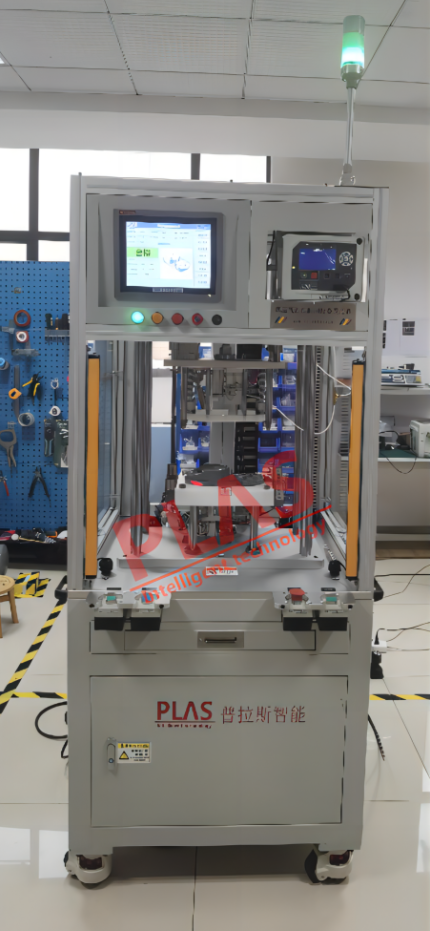
In summary, the application of air tightness leak detectors in the water treatment industry can help identify and repair leak points, improve the efficiency of water systems, ensure water quality safety, and enhance equipment reliability and service life. These benefits help improve the efficiency and reliability of water treatment, reduce resource waste and costs, and ensure water quality safety and sustainable development.

WeChat for technical support

PLUS Douyin