Sealing testIt is a critical testing process used to verify the sealing performance of a product or piece of equipment. A qualified sealing test can ensure that the product will not be invaded by external moisture, dust, or other contaminants. However, to conduct an effective sealing test, we need to pay attention to certain considerations and promptly resolve common issues.
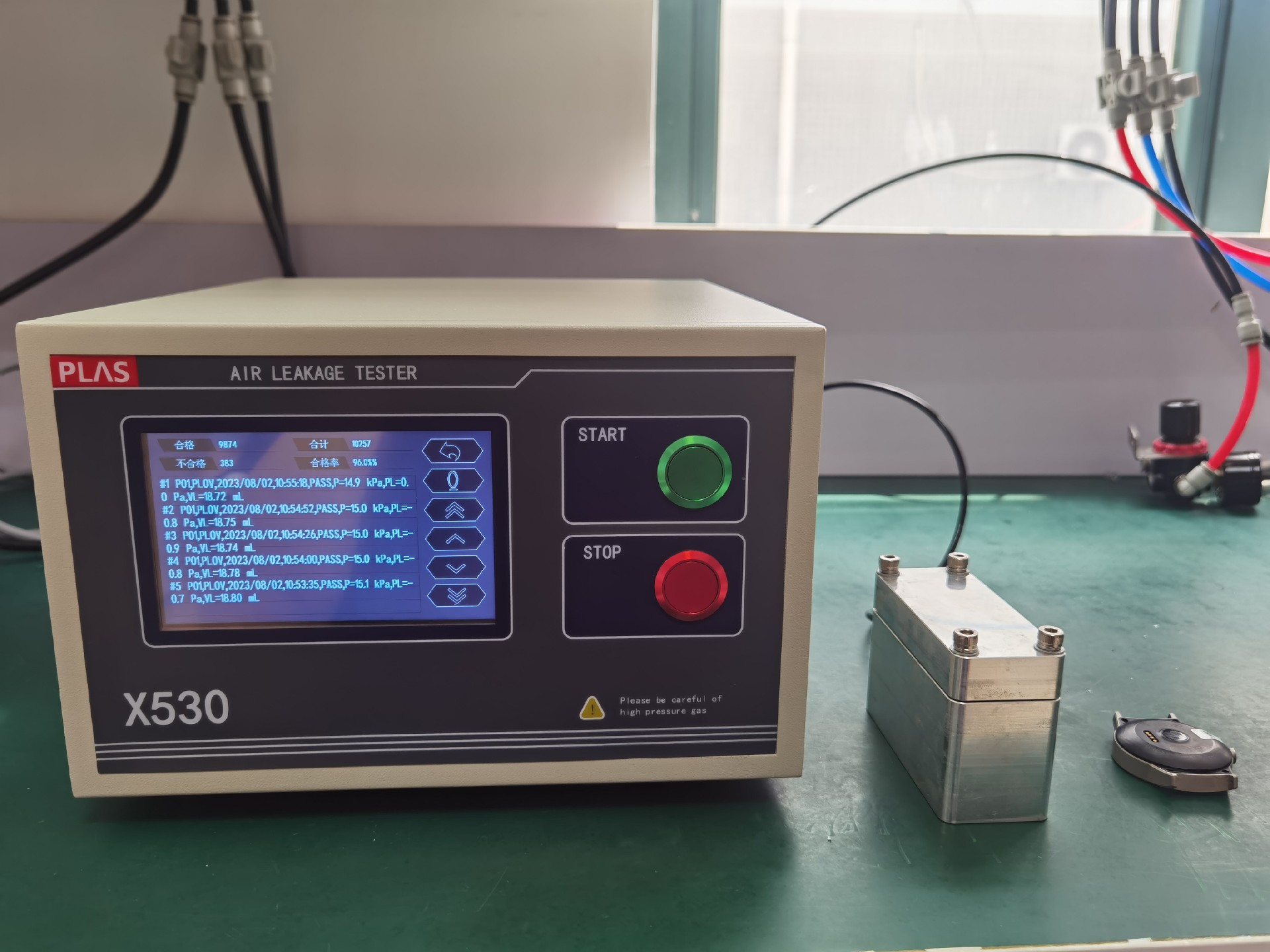
Sealing testPrecautions and common issues include:
Precautions:
1. Select the appropriate test method and equipment: choose a test method and equipment suited to the product's characteristics and testing requirements to ensure testing accuracy and reliability.
2. Strictly control the test environment: The test environment should match the product's operating conditions, including parameters such as temperature and humidity, to ensure the reliability and accuracy of the test results.
3. Operate the test equipment correctly: When operating the test equipment, follow the requirements of the operation manual or instructions to avoid inaccurate test results caused by incorrect operation.
4. Maintain test equipment in good condition: regularly maintain and service the test equipment, including cleaning, calibration, and replacement of damaged parts, to ensure proper operation of the test equipment and accurate test results.
5. Strictly implement testing standards: Execute all requirements during the testing process in accordance with the product's testing standards to ensure the comparability and accuracy of test results.
Frequently Asked Questions:
1. Air leakage or seepage: The product experiences air leakage or seepage during testing, resulting in sealing performance that fails to meet the standard.
2. Burst: The product ruptures during testing and cannot maintain a sealed state.
3. Uneven pressure distribution: During testing, the pressure distribution across the product is uneven, resulting in inaccurate test results.
4. Inaccurate test parameters: Inaccurate pressure, temperature, and other parameters applied during testing lead to inaccurate test results.
5. Test environment does not meet requirements: Parameters such as temperature and humidity in the test environment do not match the product's operating conditions, affecting the accuracy of test results.
Solutions to these common problems include: optimizing the sealing structure, selecting suitable sealing materials, using correct testing methods and parameters, implementing strict quality control, and performing regular maintenance and upkeep of the testing equipment.
To conduct effective sealing tests, it is necessary to select an appropriate test method, carry out sufficient preparation, and resolve common issues. Maintaining the sealing performance of a product is crucial to ensuring its proper operation, which makes sealing testing a critical step. Through a reasonable test plan, careful operation, and problem-solving, we can effectively improve the sealing performance of products and meet the relevant technical requirements.


WeChat for technical support

PLUS Douyin