Sealing testEquipmentIt is a tool used to test the sealing performance of products, widely applied in industries such as automotive, aerospace, and medical devices. It offers multiple functions and can effectively improve product quality and reliability.

SealingSexual testing equipment typically has the following functions:
1. Pressure test: By applying a certain pressure, the sealing performance of the product is tested. It can test the sealing performance of the product under positive pressure or negative pressure.
2. Vacuum test: By creating a certain vacuum environment, the sealing performance of the product under vacuum conditions is tested.
3. Gas testing: By injecting a specific gas, the sealing performance of the product in a gas environment is detected. The sealing performance of the product against different gases can be tested.
4. Leak testing: Detects whether a product has leaks and evaluates its sealing performance by measuring the gas leak rate.
5. Liquid test: To test the product's sealing performance against liquids, the test can be conducted by injecting liquid or immersion.
6. Data recording and analysis: Sealing test equipment can typically record test results and related data, such as pressure values and leak rates, for subsequent analysis and traceability.
7. Automated operation: Some advanced sealing test equipment features automated functions that allow parameter setting, automatic testing and result judgment, reducing manual operation errors and labor intensity.
8. Diversified test modes: Based on the requirements of different products, sealing test equipment can provide multiple test modes, such as continuous testing, intermittent testing, and cyclic testing.
9. Alarm function: When test results do not meet the set standards, the sealing test equipment can send out an alarm signal to alert the operator to take action.
The above are common functions of general sealing test equipment. The specific functions of the equipment may vary depending on the model and manufacturer. When selecting equipment, you can choose the appropriate equipment based on product requirements and testing needs.
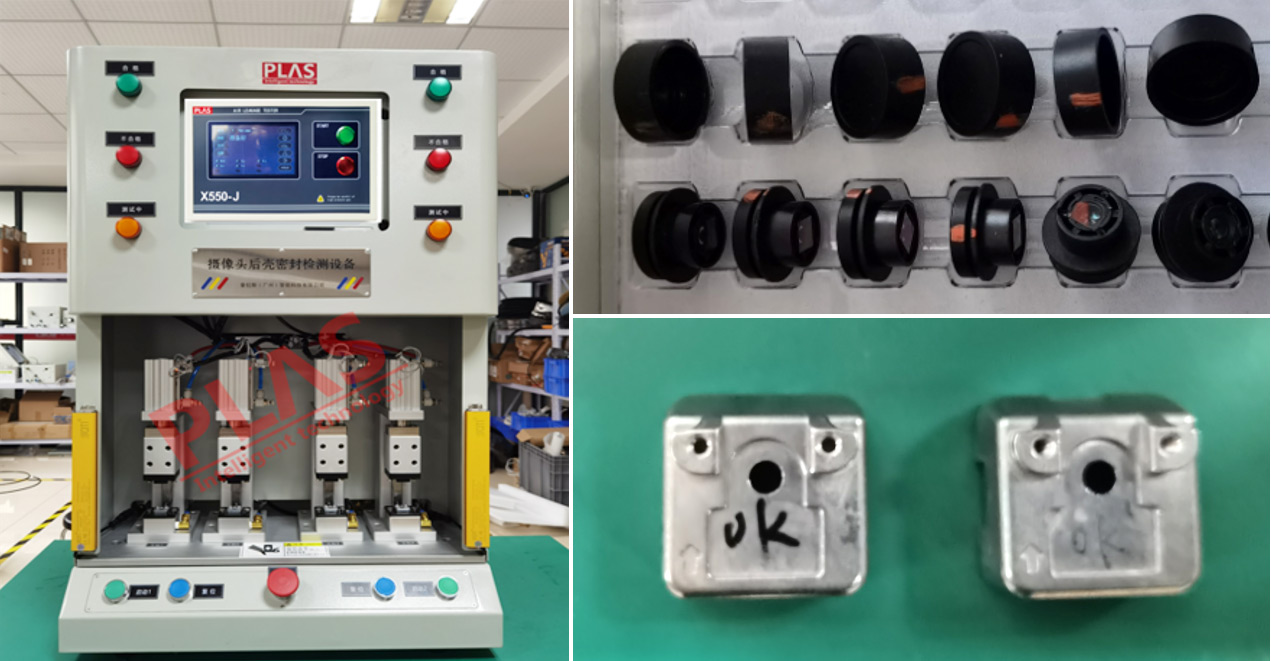
Manufacturers choose to use sealing test equipment for the following reasons:
1. Quality control: Sealing performance is one of the key performance indicators for many products (such as food, pharmaceuticals, cosmetics, electronic products, etc.). By using sealing test equipment, the sealing performance of products can be quantitatively tested to ensure product quality meets standards and regulations.
2. Safety: Some products need to remain sealed during use to prevent leakage, contamination, or other hazardous situations. By using sealing test equipment, the sealing performance of products can be tested to ensure their safety under normal operating conditions.
3. Compliance: Many industries and sectors have strict requirements and standards for product sealing performance, such as hygiene standards in the food industry and GMP requirements in the pharmaceutical industry. Using sealing test equipment can help companies meet relevant regulations and standards and ensure product compliance.
4. Cost reduction: By detecting product sealing performance in a timely manner, defective products can be prevented from entering the market, reducing after-sales repair, recall and other costs caused by product quality issues.
5. Improved efficiency: sealing test equipment is usually automated and highly efficient, enabling rapid testing and delivering accurate results. Compared with traditional manual inspection methods, using sealing test equipment saves time and human resources.
6. Data traceability: Sealing test equipment can typically record test results and related data, providing data traceability capabilities. This is highly valuable for quality management, product traceability, and troubleshooting.
In summary, choose to useSealingTesting equipment can improve the precision and efficiency of product quality control, ensure product safety and compliance, and reduce costs and risks.


WeChat for technical support

PLUS Douyin