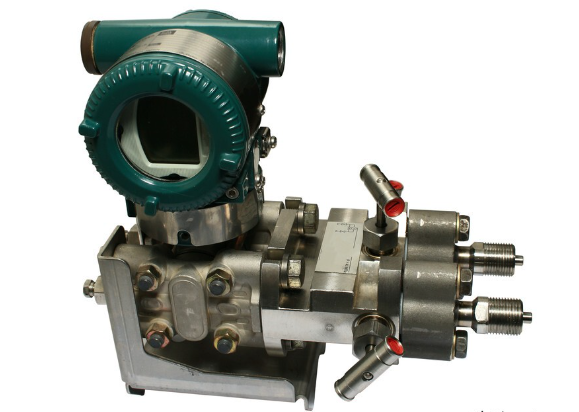
Differential pressure transmitter
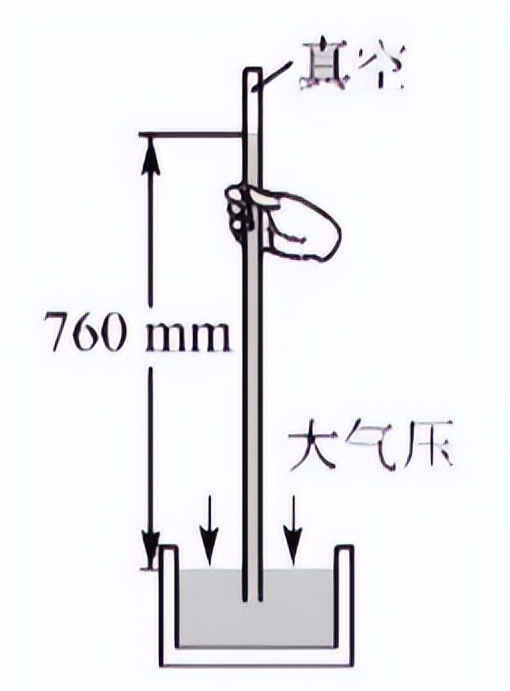
Atmospheric pressure: The Earth is surrounded by a thick layer of air, which is called the atmosphere. Air can flow freely like water, and it is also subject to gravity. Therefore, the air exerts pressure in all directions within its interior, and this pressure is called atmospheric pressure. "Atmospheric pressure" is a unit of pressure, short for "standard atmospheric pressure." Scientifically, it is defined that the pressure generated by a mercury column (Hg column) 760 mm high, or 101325 pascals, is called 1 standard atmospheric pressure.
1 standard atmosphere = 101325 newtons per square meter, which is 101325 pascals (Pa)
Gauge pressure (CG) definition: the difference between the absolute static pressure of a fluid and the atmospheric pressure at the measurement location.
The amount by which the total absolute pressure exceeds the surrounding atmospheric pressure.
The portion of pressure at a point in a liquid that exceeds atmospheric pressure.
Gauge pressure is the fluid pressure indicated relative to atmospheric pressure and can be measured with a pressure gauge, that is: absolute pressure - atmospheric pressure = gauge pressure.
In the vacuum industry, "gauge pressure" specifically refers to the relative gas pressure measured with an ordinary vacuum gauge (relative pressure gauge), expressed as a negative value, which is the difference between the measured gas pressure and atmospheric pressure. It is also called negative pressure.
Definition of negative pressure: When the absolute pressure of the airflow is lower than the atmospheric pressure at the same elevation outside the shaft or outside the air duct, its relative pressure is negative, which is called negative pressure. Simply put, "negative pressure" is a gas pressure state below normal pressure (i.e., what is commonly called one atmosphere). This is also what we commonly refer to as "vacuum."
Pressure lower than the existing atmospheric pressure (taken as the reference zero point);
Below atmospheric pressure, i.e., a rarefied degree of vacuum.
Absolute pressure (CA) definition: refers to absolute pressure, the total pressure in the space where the medium (liquid, gas, or steam) is located. Absolute pressure is pressure relative to zero pressure. Correspondingly, gauge pressure (relative pressure; if the difference between absolute pressure and atmospheric pressure is a positive value, then this positive value is the gauge pressure, that is, gauge pressure = absolute pressure - atmospheric pressure > 0; if it is a negative value, it is called vacuum degree.
Differential pressure (CD) definition: The difference obtained by subtracting the pressure detected at the high-pressure end from that detected at the low-pressure end of a differential pressure transmitter is called differential pressure.
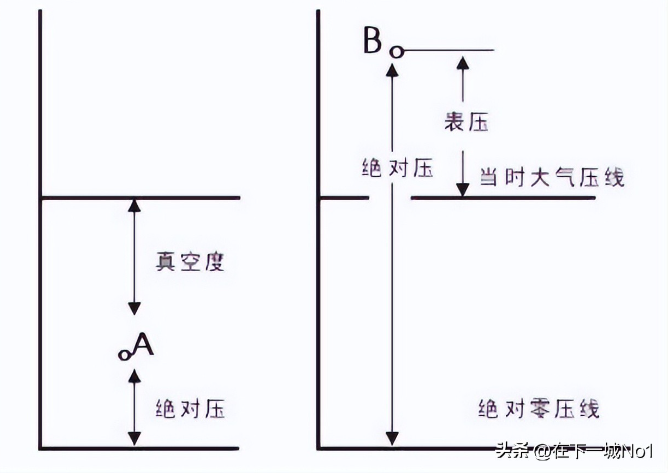
The following is a brief introduction to the three pressure types of pressure sensors:
Absolute pressure: pressure calculated from absolute zero pressure or from a vacuum as the starting point.
Gauge pressure: refers to pressure calculated from the atmospheric pressure at a specific time and a specific location as the starting point. The atmospheric pressure at the same location will vary slightly.
Vacuum degree: when the measured absolute pressure is less than atmospheric pressure, the difference between the measured absolute pressure and absolute vacuum.
Negative pressure: refers to the difference between the current atmospheric pressure and the measured absolute pressure when the measured absolute pressure is less than the atmospheric pressure.
Relationship formula between absolute pressure, gauge pressure, and atmospheric pressure: absolute pressure = gauge pressure + atmospheric pressure.

WeChat for technical support

PLUS Douyin