SealingTestingIt is a critical step in the industrial manufacturing process, mainly used to detect and evaluate the sealing performance of mechanical equipment. The development and innovation of testing instruments are crucial for improving product quality and ensuring equipment operation effectiveness.
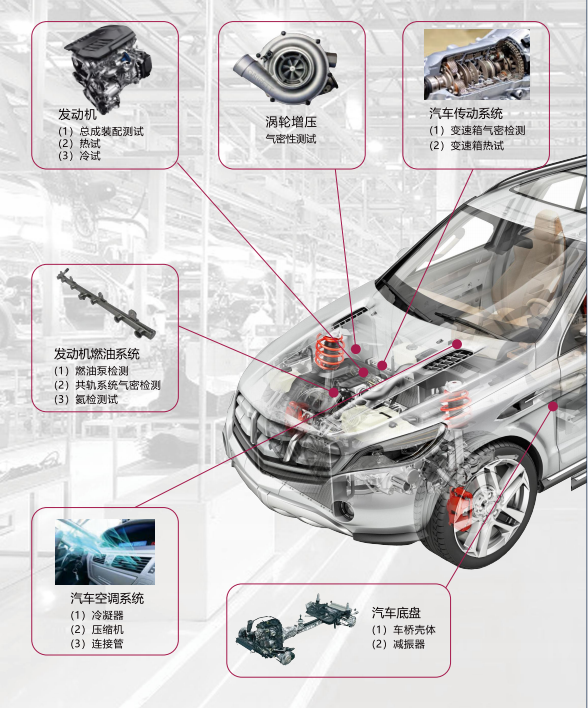
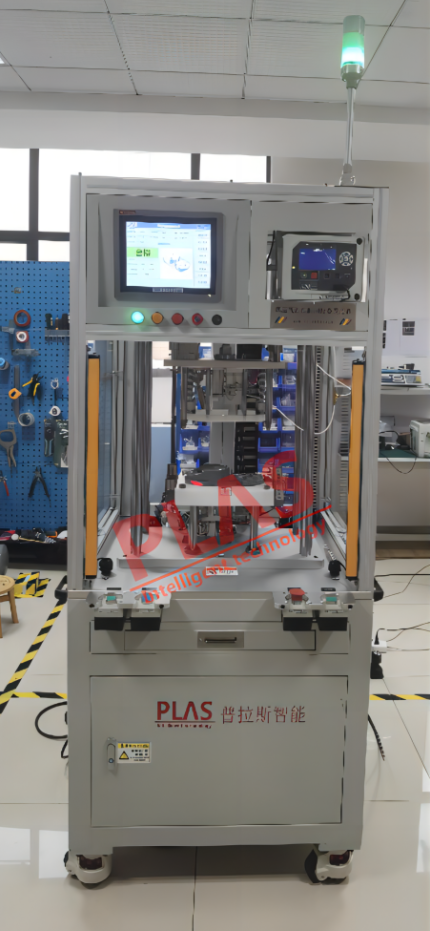
In sealingDetectorThe following technological innovations are important:
1. High-Precision Sensing Technology: High-precision sensors are used to monitor and measure sealing performance in real time, improving detection accuracy and reliability.
2. High-resolution image processing technology: Through high-resolution image processing technology, the morphology and defects of sealing components can be captured and analyzed in real time, improving detection accuracy and efficiency.
3. Intelligent algorithms and artificial intelligence technology: Through intelligent algorithms and AI technology, sealing performance is automatically analyzed and judged, improving the degree of automation and accuracy of testing.
4. Rapid testing technology: Rapid testing technology is adopted to complete a large number of sealing tests in a short time, improving testing efficiency and production capacity.
5. Non-contact testing technology: Non-contact testing technology is adopted to avoid damage to sealing components and improve the safety and reliability of testing.
6. Data analysis and statistical techniques: By analyzing and statistically processing large volumes of test data, patterns and trends in sealing performance can be identified, providing decision support and optimization recommendations.
7. Remote monitoring and control technology: Through remote monitoring and control technology, sealing test equipment can be monitored and controlled in real time, improving equipment reliability and operating efficiency.
Traditional sealing test methods usually rely on visual inspection, hand feeling, and listening for sounds. These methods have the following disadvantages:
1. Low testing efficiency: Traditional testing methods require manual inspection one by one, which is time-consuming and labor-intensive.
2. Inaccurate test results: Traditional testing methods are subject to human factors, making them prone to misjudgment or missed detection.
3. Limited detection scope: traditional detection methods can only detect surface defects, not internal defects.
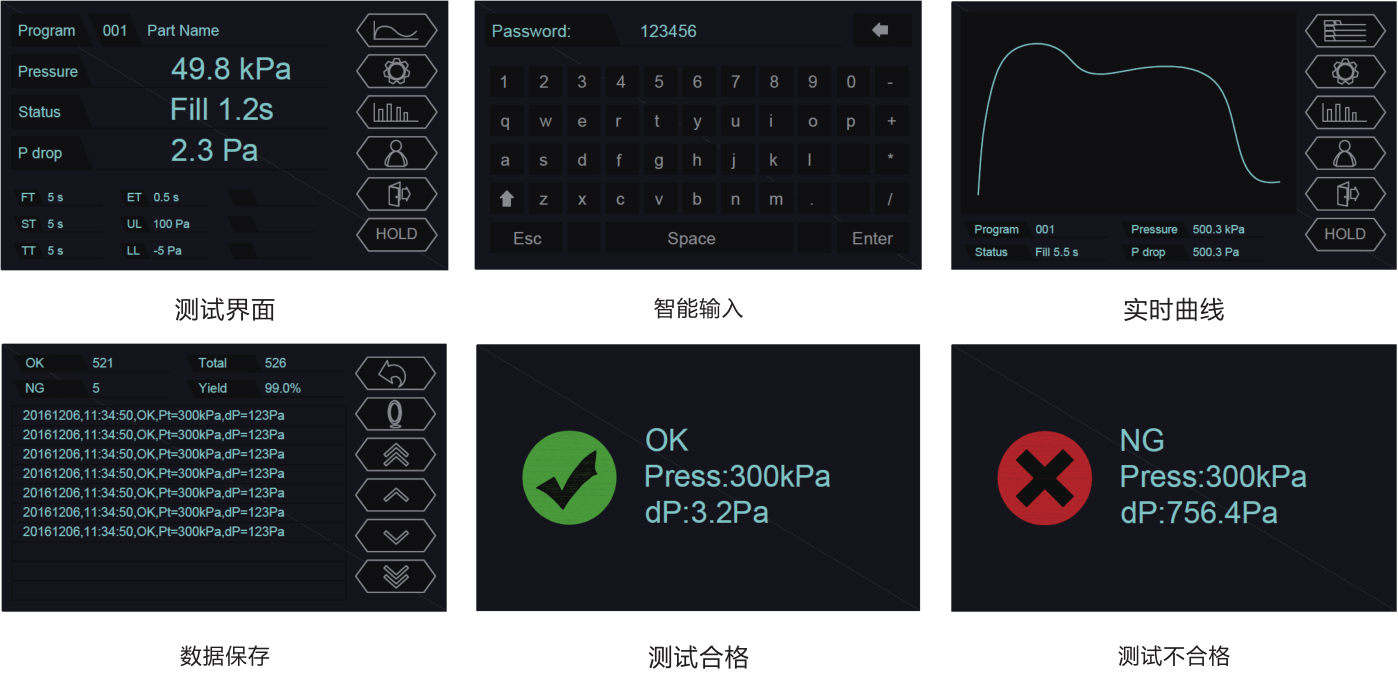
In comparison, modern technology offers the following advantages in sealing testing:
1. High testing efficiency: Modern technology uses automated testing equipment to complete large volumes of testing tasks quickly and accurately.
2. Accurate and reliable test results: Modern technology uses high-precision sensors and image processing technology to detect minute leaks or seepage, eliminating the influence of human factors and improving the accuracy and reliability of testing.
3. Wide detection range: Modern technology uses non-contact detection techniques, capable of detecting both surface and internal defects, meeting the sealing test needs of different industries.
4. Data analysis and statistics: Modern technologies employ data analysis and statistical techniques to identify patterns and trends in sealing performance, providing decision support and optimization recommendations.
In summary, modern technology offers significant advantages in sealing test, improving detection efficiency, accuracy, and reliability to meet the sealing performance testing needs of various industries.
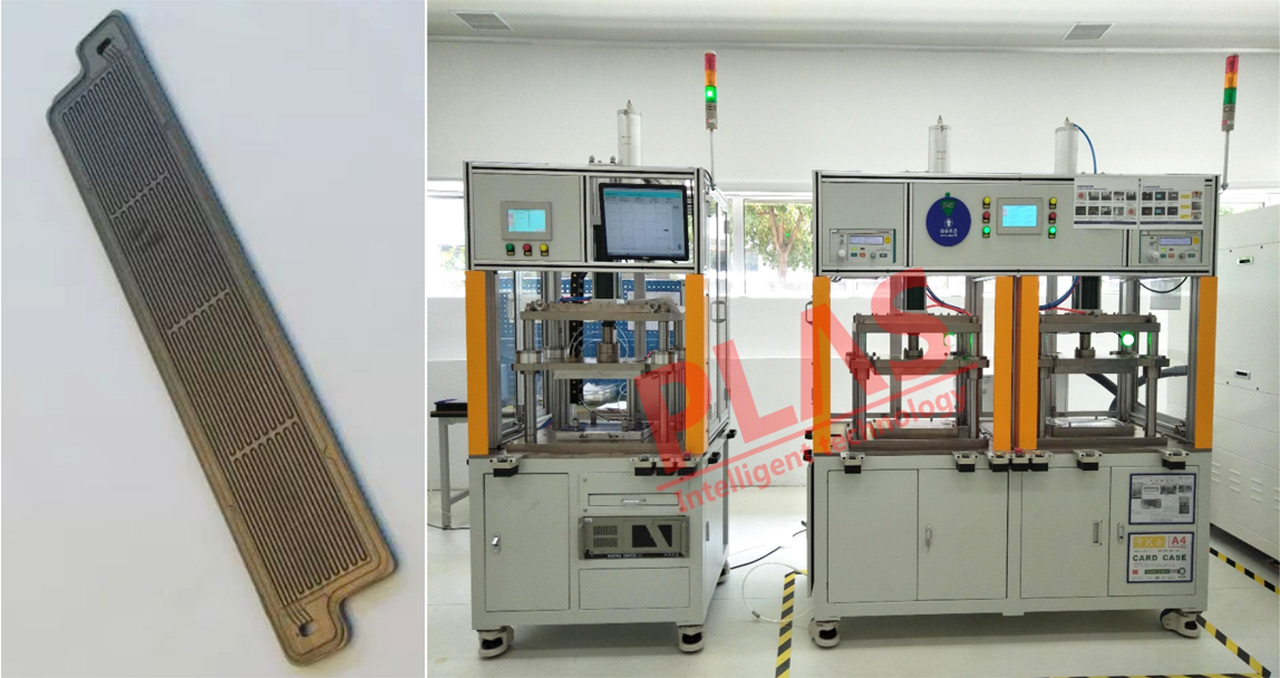
These technological innovations can improve the performance and functionality of sealing testers, enhance testing accuracy, efficiency, and automation, and meet the sealing performance testing needs of different industries.

WeChat for technical support

PLUS Douyin