With the advancement of technology, air tightness testing has become an indispensable part of the manufacturing process. As a measuring instrument, the air tightness leak detector plays a vital role in industrial production. So what exactly is an air tightness leak detector? How can it be used for accurate and efficient testing? The following sections will introduce this from several aspects.
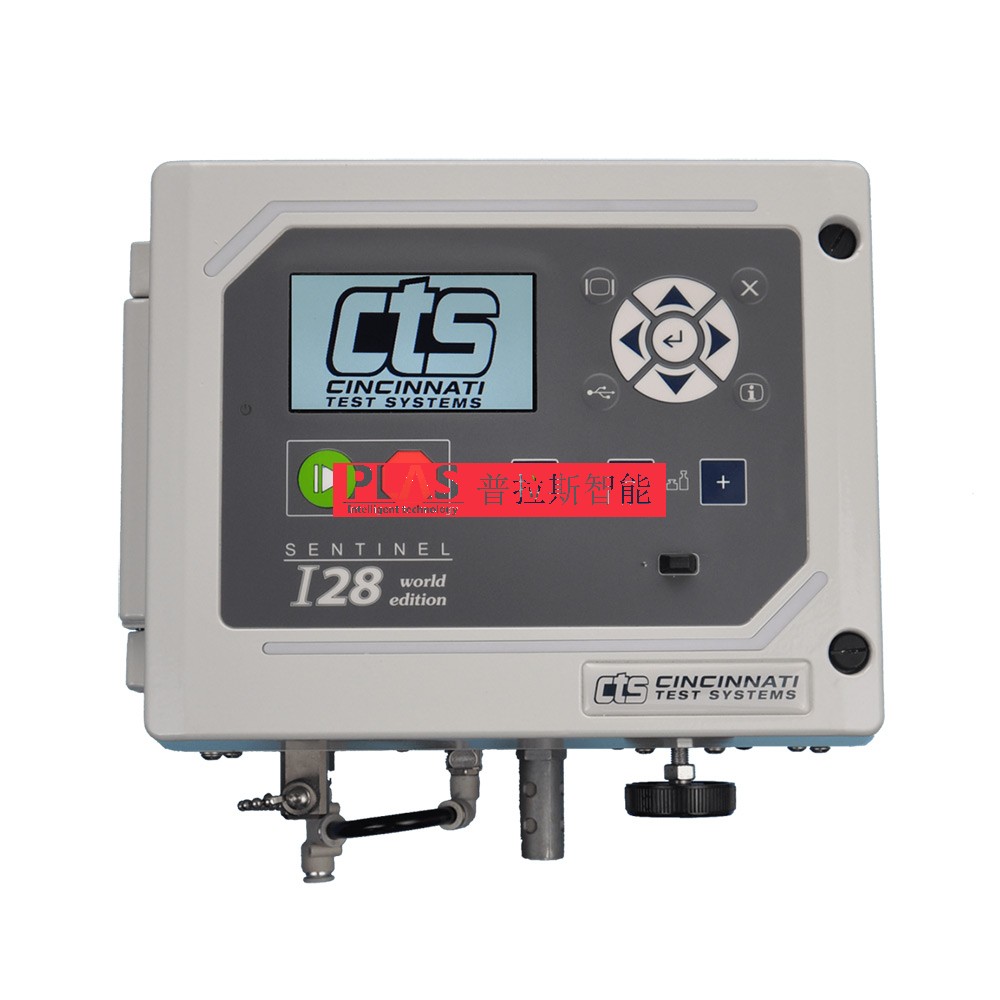
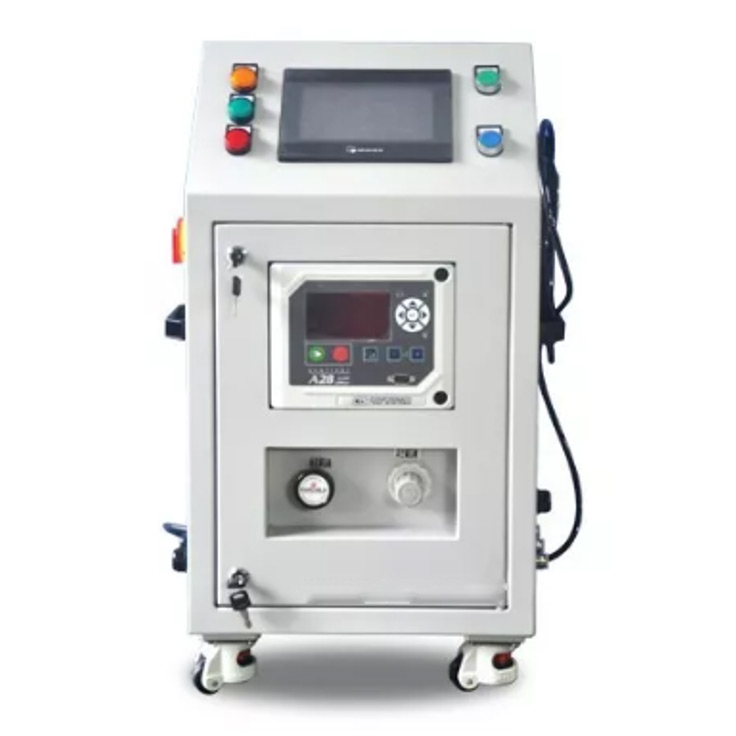
Air tightness leak detectorIt is specifically used to test whether an item or device has good sealing performance, and is designed and manufactured in strict accordance with specified standards, operational quality assurance and related requirements, so as to determine whether the object under test leaks air, water or other fluid media. It mainly operates based on the Joule-Thomson effect (also known as the adsorption method), and determines whether the object under test has a leakage problem through real-time monitoring of parameters such as pressure changes and flow rate (mass flow rate).
There are currently many types of air tightness leak detectors on the market, classified according to different testing standards. For example, in the automotive industry, the main standards for air tightness testing are ISO 15011-2 and ISO 20485, while the relevant standard for medical devices is ASTM F2096-11. It can be seen from this that the requirements for air tightness performance also differ across different fields.
Depending on the working principle and scope of application, air tightness leak detectors can also be divided into multiple types, such as connected type, differential pressure type, wind tunnel type, etc., and each type has its own unique advantages and limitations. When selecting a suitable air tightness leak detector, comprehensive consideration must be given to factors such as the structure of the item under test, environmental parameters, as well as accuracy and safety.
1. Preparation: Before testing, preheat or cool the equipment first, and confirm whether the size and shape of the item under test meet the monitoring conditions.
2. System setup: Connect the corresponding pipes or fittings and set the test parameters.
3. Testing process: Start the test program and observe data changes; stop the machine promptly to address any abnormal data.
4. Data analysis: make judgments based on test results and carry out repairs or corrective actions in a timely manner.
It should be noted that during operation, the air tightness leak detector must be used and maintained correctly to avoid problems such as inaccurate detection or even equipment damage caused by human error.
The following are several important roles of air tightness testing in the manufacturing process:
1. Preventing Leakage Issues: Air tightness testing can promptly identify leakage problems in products, including gas, liquid, or vacuum leaks. By testing the air tightness performance of products, it ensures that the sealing performance meets requirements, avoiding quality issues and safety hazards caused by leakage.
2. Improve product quality: Air tightness testing helps companies enhance product quality and reliability. By testing the air tightness performance of products, defects and faulty components can be identified, and timely measures can be taken to repair or replace them. This helps reduce the defect rate and improve the pass rate and reliability of products.
3. Ensuring product performance: Many products have performance requirements that depend on a certain level of air tightness. For example, the air tightness of an automotive engine is critical to its combustion efficiency and emission performance. Through air tightness testing, it can be ensured that the product's air tightness meets the relevant performance requirements, guaranteeing the proper operation of the product's performance and functions.
4. Reliability of testing processes: Air tightness testing can evaluate the reliability and stability of production processes. By testing the air tightness performance of products, potential issues in production processes can be identified, and corresponding improvement measures can be taken. This helps improve the stability of production processes, reduce defect rates, and enhance product quality and reliability.
Air tightness leak detectorAs an indispensable key technology in modern industrial production, its importance is obvious. With the continuous development of technology, people's requirements for air tightness performance are also getting higher and higher. We hope this helps readers gain a deeper understanding of air tightness leak detectors.
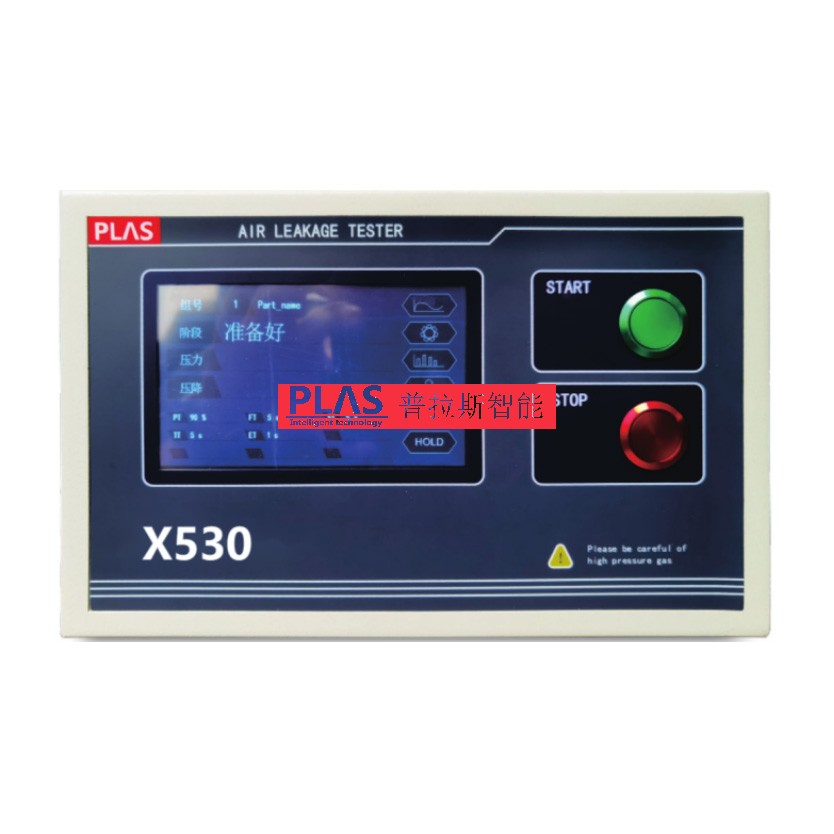
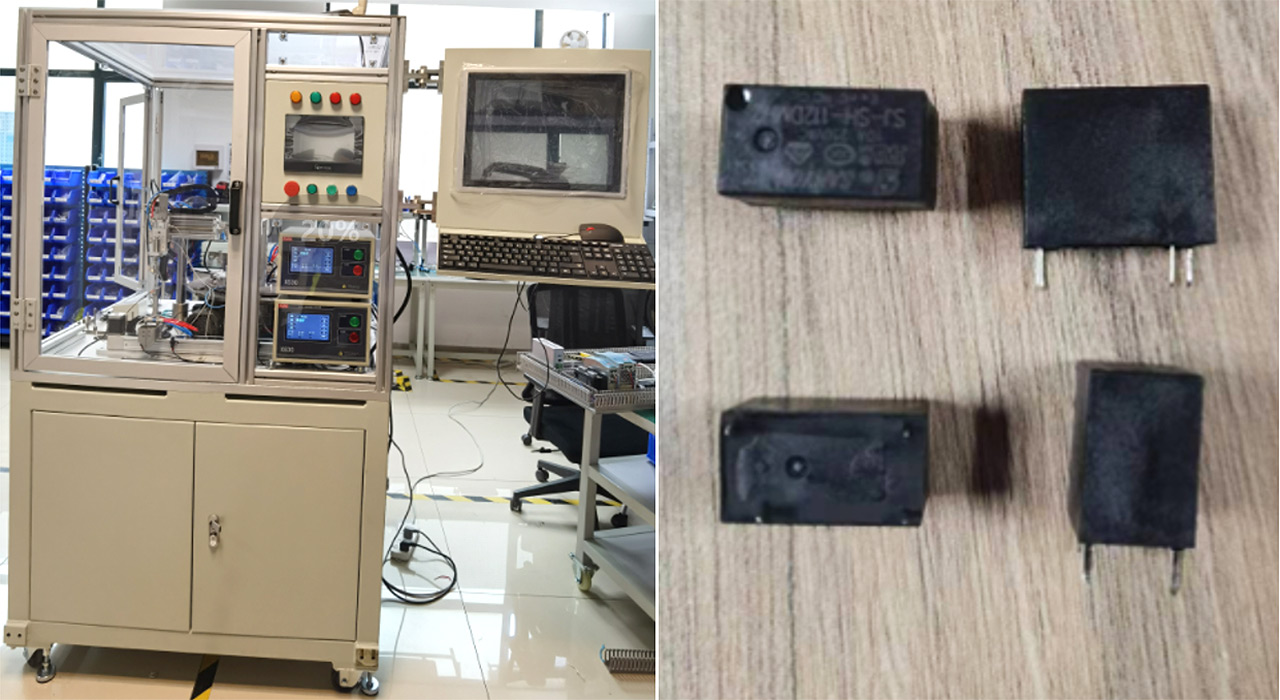

WeChat for technical support

PLUS Douyin