Air tightness leak detectorIt is a tool used to measure whether there is a gas leak in a device, equipment, or system. It provides accurate detection methods, and in many
Air Leak TesterIt is a tool used to measure whether there is a gas leak in a device, equipment, or system. It provides accurate detection methods, and in manyIn the industryIt is widely used, for example, in automotive manufacturing, air conditioning systems, medical equipment, and so on.
An air tightness leak detector works on the principle of using pressure differential to detect leaks during the assembly process. The system under test is pressurized, and a pressure gauge is then used to monitor for any leakage. If the pressure drops, a leak is present.
An air tightness leak detector is an instrument used to test the air tightness performance of products or equipment. It determines whether a product or equipment has a leak problem by measuring changes in gas flow or pressure. The principles and applications of air tightness leak detectors are as follows:
Leak detector principle:
The principle of an air tightness leak detector is based on the relationship between gas flow and pressure changes. When a closed system has a leak, the gas inside the system escapes through the leak or defect, causing a change in gas flow or pressure. The air tightness leak detector determines the air tightness performance of a product or equipment by measuring changes in gas flow or pressure.
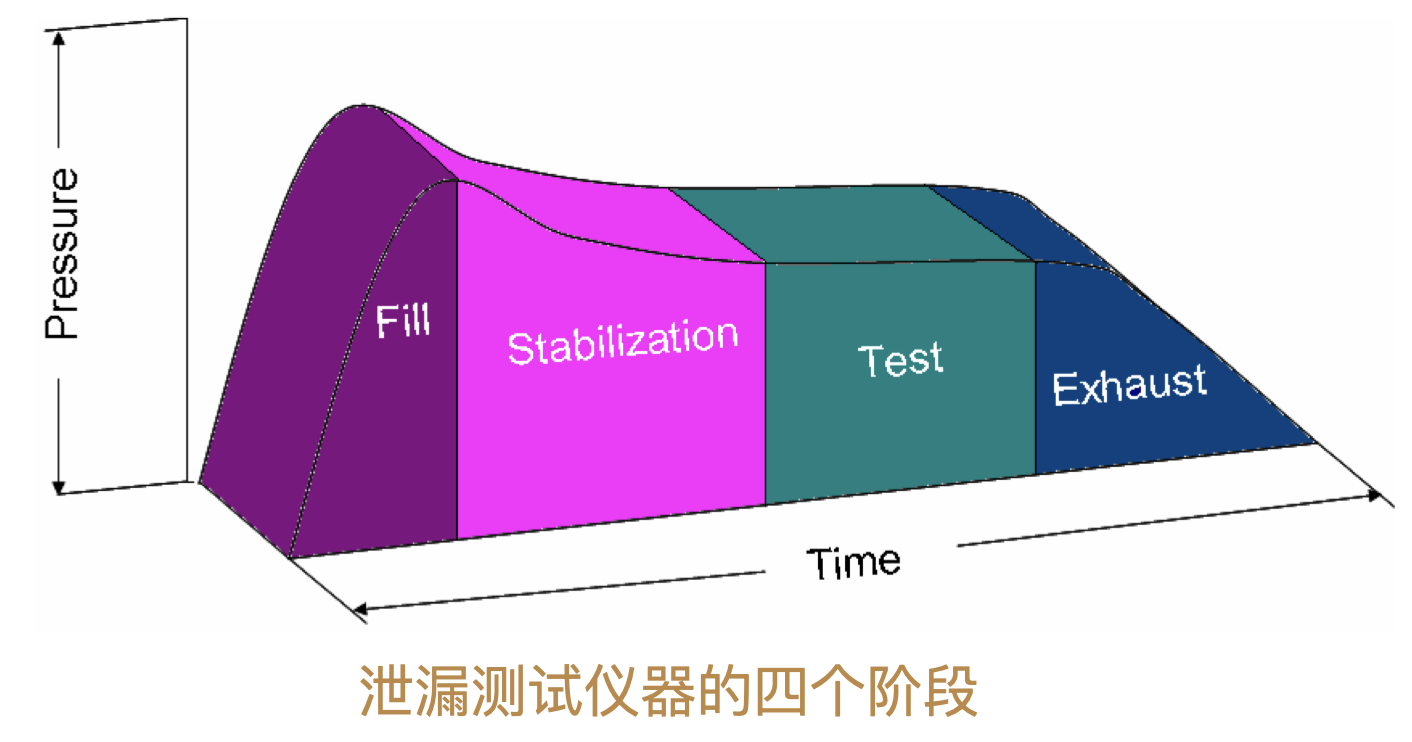
Leak detector applications:
Air leak detectors are widely used across various industries and fields, especially for products or equipment that require maintaining sealing performance. The following are some common application areas:
1. Automotive manufacturing: Air tightness leak detectors are used to test the air tightness performance of key components such as automotive engines, transmissions, and brake systems, ensuring they meet quality requirements.
2. Electronic equipment manufacturing: Air tightness testers are used to test the air tightness performance of electronic device enclosures, connectors, and other components, preventing dust, moisture, and other contaminants from entering the interior of the equipment.
3. Medical device manufacturing: Air tightness leak detectors are used to test the sealing performance of medical devices, ensuring their sterility and safety.
4. Pharmaceutical industry: Air tightness testers are used to test the sealing performance of pharmaceutical packaging to prevent drugs from external contamination.
Leak Detector Development: With continuous technological advancement, air tightness leak detectors are also constantly evolving and improving. The following are some development trends:
1. Automation and digitalization: Modern air tightness testers are moving toward automated and digital operation, improving testing accuracy and efficiency.
2. Non-destructive testing: Traditional air tightness testers require pressure testing of products, which may cause damage to the products. Today's air tightness testers are trending toward non-destructive testing, achieved through technologies such as gas permeation detection or infrared thermal imaging.
3. Accuracy and sensitivity: As requirements for product air tightness performance increase, the accuracy and sensitivity of air tightness leak detectors continue to improve.
4. Multifunctionality: Modern air tightness leak detectors can not only detect gas leakage, but also detect gas permeation, adsorption, and other properties, providing a more comprehensive assessment.
In summary, the air tightness leak detector determines the air tightness performance of a product or equipment by measuring changes in gas flow or pressure. It is widely used in automotive manufacturing, electronic equipment manufacturing, medical device manufacturing, pharmaceutical industry, and other fields, and continues to develop and improve in terms of automation, non-destructive testing, accuracy and sensitivity, and versatility.


WeChat for technical support

PLUS Douyin