In the automotive industry many parts must be sealed, for example the gearbox (the transmission gearbox people refer to in daily life). These parts are frequently exposed to liquids, so the overall sealing performance of a gearbox must be high.
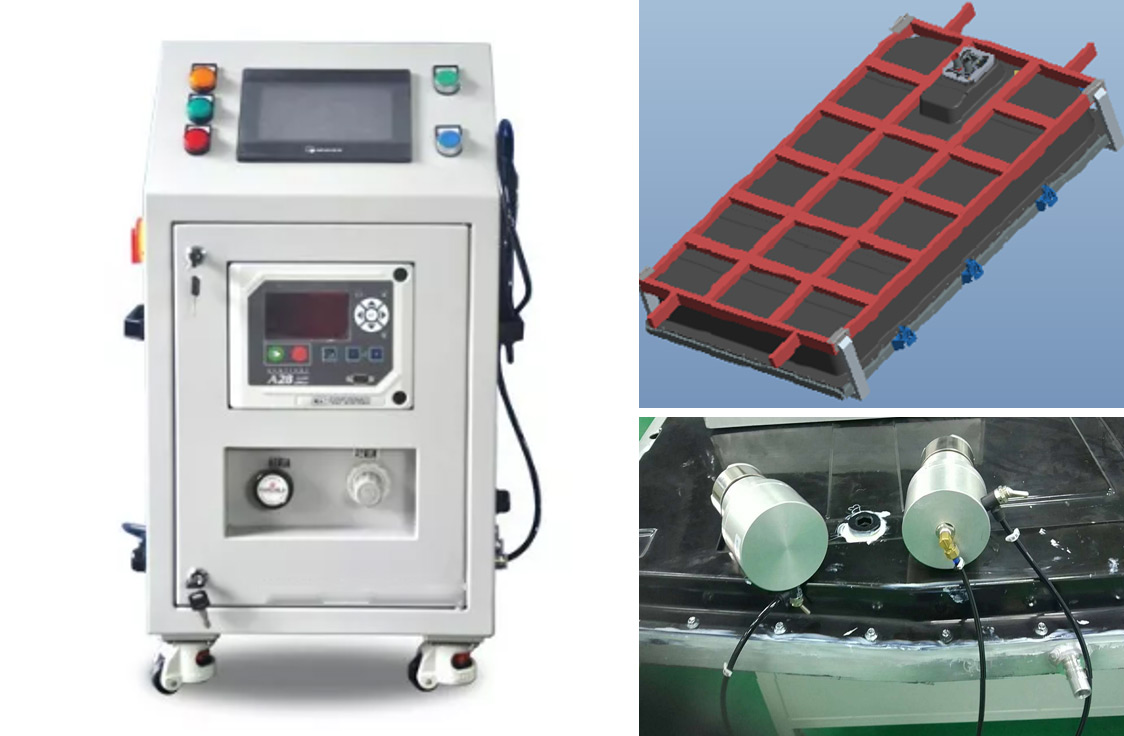
Gearbox air tightness testing uses a gas pressure difference to evaluate sealing performance.
During testing a pressure difference is first created: a set air pressure is applied inside the gearbox while a relatively low-pressure environment is created outside, forming a pressure difference across the housing.
If the gearbox is well sealed the pressure difference does not change noticeably and the internal pressure stays stable. If it leaks, the pressure difference drives gas from inside to outside and the internal pressure drops or fluctuates.
A pressure sensor installed inside the gearbox monitors the internal pressure in real time. A drop or large fluctuation indicates a leak. The test results show whether sealing performance meets the requirement: if there is a leak the gearbox must be repaired or its seals replaced; if sealing is good it can continue in service.
In short, gearbox air tightness testing uses a pressure difference to evaluate sealing performance and monitors the internal pressure to judge whether the gearbox leaks.

WeChat for technical support

PLUS Douyin