Automotive component sealing test equipment is a type of equipment specifically designed to test the sealing performance of automotive components. It typically consists of a leak detector, touch screen, control system, safety light curtain, and other components. By conducting sealing performance tests on automotive components, sealing test equipment ensures that the components have good sealing performance to meet the requirements of automotive use.

Why is sealing testing necessary for automotive parts?
This is because the sealing performance of automotive components has a significant impact on the normal operation and service life of vehicles. Automobiles are used in complex environments, including various weather conditions and road conditions. If the sealing performance of automotive components is poor, external moisture, dust, and other substances can enter the interior of the components, thereby affecting their performance and lifespan. For example, poor cylinder sealing in an engine can lead to a drop in cylinder pressure, affecting the engine's power output and fuel efficiency; poor body sealing can increase interior noise, affecting driving comfort. Therefore, conducting sealing tests on automotive components is an important step in ensuring vehicle quality and reliability.
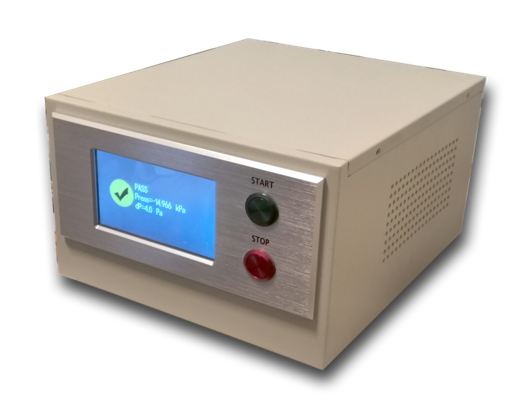
There are many benefits to performing sealing tests on automotive parts. First, sealing tests can promptly identify and repair potential sealing issues, ensuring the sealing performance of the parts. This helps prevent external moisture, dust, and other substances from entering the interior of the parts, protecting their normal operation and extending their service life. Second, sealing tests can improve the quality and reliability of the parts. By conducting strict sealing performance tests on the parts, those with good quality and excellent sealing performance can be selected, improving the quality and reliability of the entire vehicle. In addition, sealing tests can reduce the cost of after-sales repairs and recalls. If the sealing performance of the parts is poor, it may lead to failures and quality issues, which in turn require after-sales repairs or recalls. By conducting sealing tests, problems can be identified promptly during the production process, avoiding the occurrence of after-sales repairs and recalls, and saving costs and resources.
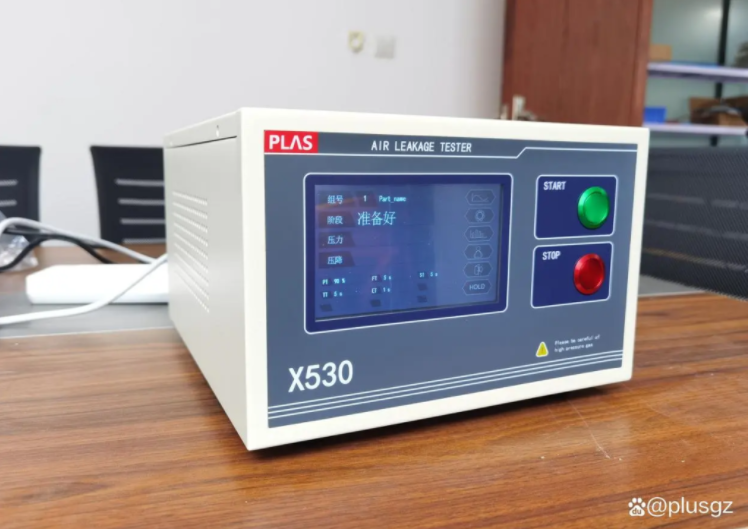
Automotive component sealing test equipment typically consists of a leak detector, a touchscreen, a control system, a safety light curtain, and other components. The leak detector is the key device used to test the sealing performance of components. It can detect the presence of leaks by performing pressure testing or vacuum testing on components. Leak detectors are typically equipped with high-precision sensors and control systems, enabling real-time monitoring and recording of leakage conditions. The touchscreen is a device used for human-machine interaction, allowing convenient operation and parameter setting. The control system is the part used to achieve automated control and parameter setting; it can control the operating status of the leak detector, test pressure or vacuum level, and other parameters, as well as record test results. The safety light curtain is the part used to ensure the safety of the testing process; by emitting and receiving infrared beams, it detects whether personnel or objects have entered the testing area, thereby triggering safety protection measures.
In summary, automotive component sealing test equipment is an important type of testing equipment. By conducting sealing performance tests on automotive components, it can ensure that the components have good sealing performance, improve component quality and reliability, and reduce the costs of after-sales repairs and recalls. The leak detector, touch screen, control system, and safety light curtain, among other components of the equipment, enable comprehensive testing and automated control, improving test accuracy and stability.

WeChat for technical support

PLUS Douyin