Sealing TestIt is an important step in ensuring sealing performance, as it relates to product quality and reliability. Only by testing sealing performance through effective methods can you ensure that the product can effectively prevent leakage and corrosion during use. The following introduces some effective sealing test methods to help you ensure the reliability of sealing performance.
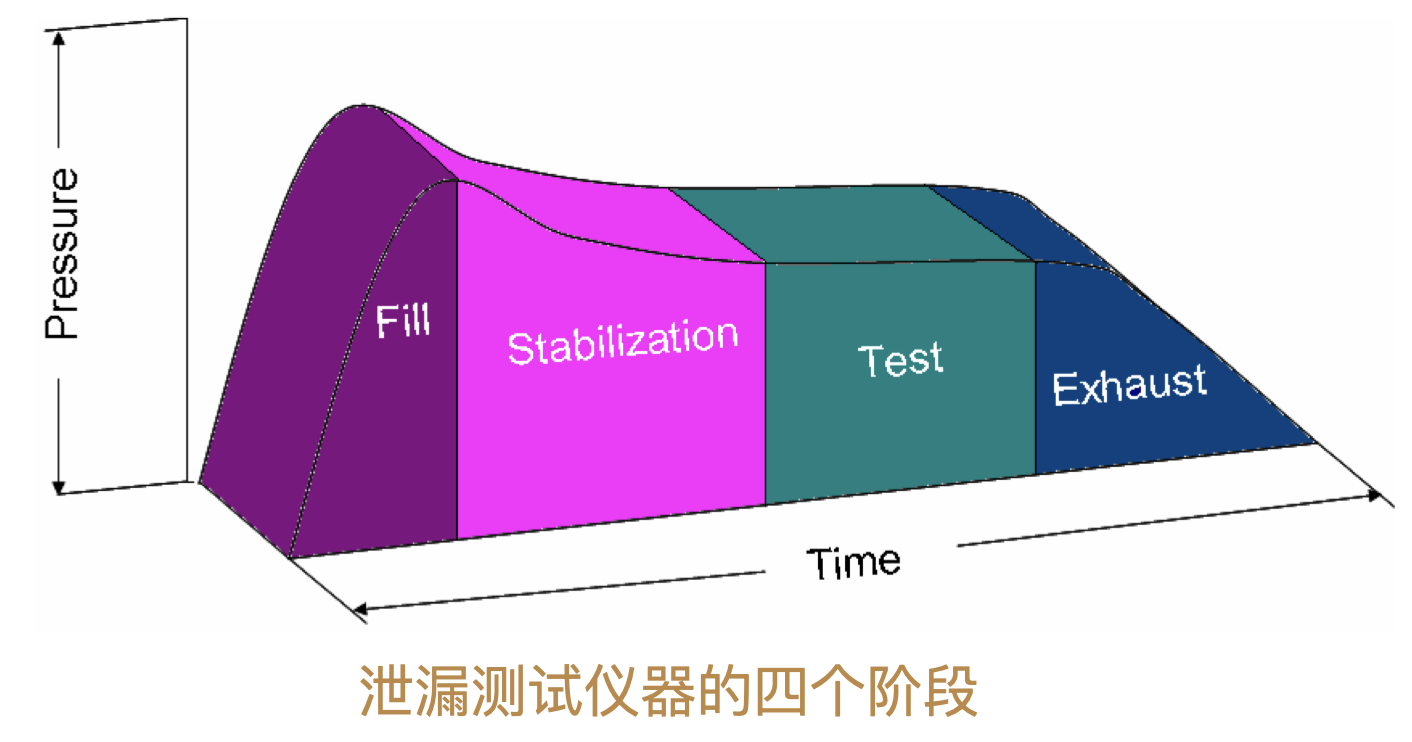
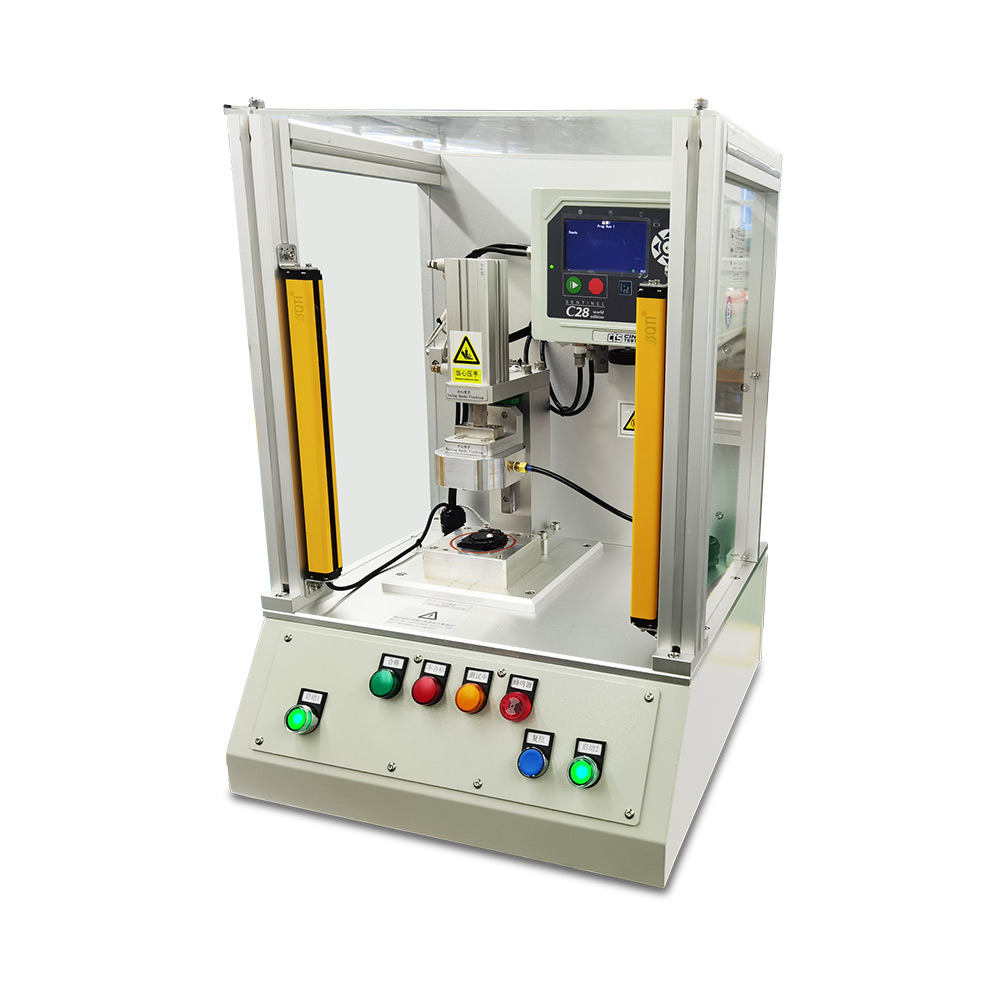
Sealing testThe most effective method depends on the specific application scenario and requirements. The following are some common sealing test methods:
1. Air tightness testing: Detect whether a sample has gas leakage by applying pressure or vacuum. Commonly used air tightness testing methods include the air tightness tester, the pressure change detection method, the mass spectrometer detection method, etc.
2. Liquid tightness testing: Detect whether a sample has liquid leakage by immersion or spraying with liquid. Commonly used liquid tightness testing methods include the water immersion method, pressure change detection method, color tracer method, etc.
3. Vacuum level testing: Determine whether a sample leaks by measuring the vacuum level at which it is placed. Commonly used vacuum level testing methods include vacuum gauges, mass spectrometers, pressure change detection, and others.
4. Acoustic detection: Determine whether there is gas or liquid leakage by listening to the sounds around the sample. Commonly used acoustic detection methods include ultrasonic detection, acoustic detection, etc.
5. Thermal testing: Determine whether there is a leak by measuring the heat conduction or thermal radiation of the sample. Commonly used thermal testing methods include infrared thermal imaging cameras, thermal conductivity detectors, etc.
6. Optical inspection: Determine whether leakage exists by observing the optical characteristics of the sample surface. Commonly used optical inspection methods include laser interferometers, infrared imagers, etc.
7. Particle detection: Determine whether a leak exists by detecting the particle concentration around the sample. Commonly used particle detection methods include laser particle size analyzers, particle counters, etc.
The appropriate testing method should be selected based on the specific application requirements and sample characteristics, combined with a comprehensive analysis and evaluation of the actual conditions. In some cases, it may be necessary to combine multiple testing methods to improve the accuracy and reliability of the testing.

WeChat for technical support

PLUS Douyin