Air tightness leak detectorIt is a tool widely used across various industries, capable of precisely measuring whether gas leakage exists inside an object.
An air tightness leak detector is a device used to detect whether sealed containers or components have gas leaks. It is widely used across many industries to ensure the sealing performance and safety of products.Its principle is mainly based on the measurement of gas flow and pressure changes.
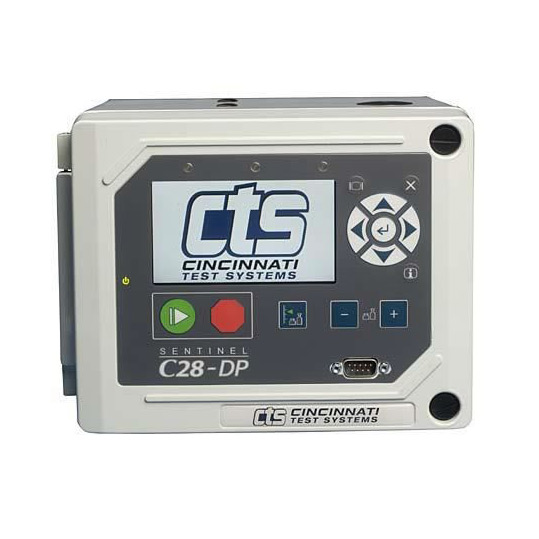
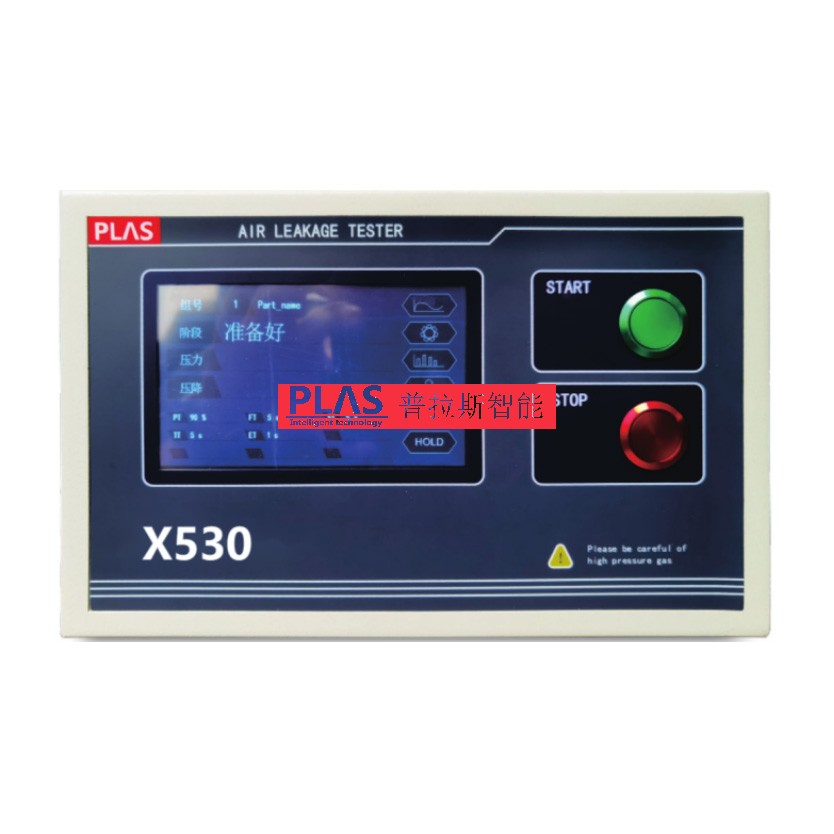
The principles of air leak detectors can be divided into two common types: the differential pressure method and the mass spectrometry method.
1. Differential pressure method: The differential pressure method is a common air tightness leak testing principle that determines air tightness performance based on the measurement of pressure difference. This method establishes a pressure difference across both sides of the object under test and then measures the change in pressure difference to detect gas leakage. Common differential pressure methods include the differential pressure leak detection method and the differential pressure change method.
Differential pressure leak testing: This method establishes a pressure difference across both sides of the object under test, then measures the change in that pressure difference to determine air tightness. When a gas leak is present in the object under test, the leaking gas causes a change in the pressure difference, so the extent of the gas leak can be determined by measuring the change in the pressure difference.
- Differential pressure change method: This method establishes a constant pressure difference across both sides of the object under test, then measures the change in pressure difference to determine air tightness performance. When a gas leak exists in the object under test, the leaking gas causes a change in the pressure difference, so the extent of the gas leak can be determined by measuring the change in pressure difference.
2. Mass spectrometry: Mass spectrometry is a principle for determining air tightness based on the measurement of the mass and mass-to-charge ratio of gas molecules. In this method, the object under test is exposed within a mass spectrometer, which measures the mass and mass-to-charge ratio of gas molecules to determine the extent of gas leakage. When a gas leak exists in the object under test, the mass and mass-to-charge ratio of the leaking gas will change, so that the extent of gas leakage can be determined from the measurement results of the mass spectrometer.
Air leak detectors are widely used, primarily in the following fields:
1. Automotive manufacturing: Air tightness leak detectors can be used to test the air tightness performance of automotive engines, air conditioning systems, fuel systems, etc., to ensure the safety and reliability of vehicles.
2. Manufacturing: Air tightness testers can be used to test the air tightness performance of various products, such as electronic devices, aerospace equipment, refrigeration equipment, piping systems, etc., to improve product quality and production efficiency.
3. Medical devices: Air tightness testers can be used to test the air tightness performance of medical devices, such as ventilators and infusion sets, to ensure their safety and reliability.
4. Petrochemical: Air tightness leak detectors can be used to test the air tightness performance of petrochemical equipment, such as storage tanks and pipelines, to ensure equipment safety and environmental protection.
In short,Air tightness leak detectorUsing principles such as differential pressure and mass spectrometry, it can test the air tightness of various products or equipment. It is widely used in automotive manufacturing, general manufacturing, medical devices, petrochemical and other industries to improve product quality, production efficiency and safety.

WeChat for technical support

PLUS Douyin