As China's new energy economy continues to rise, shared e-bikes and shared cars have become the preferred choice for travel thanks to their energy efficiency, environmental friendliness, and convenience. Driven by the new energy economy, the e-bike industry is developing rapidly. As the core component, the power battery pack has seen its safety issues gradually come to the fore, directly affecting people and even posing social safety concerns. As a result, air tightness testing equipment for new energy battery packs (packs) has emerged, ensuring that battery packs meet industry standards for waterproofing and leakage prevention before leaving the factory.
Equipment Performance Features
1. The air tightness leak test system is in the form of an integrated, movable cabinet, including an industrial PC, an air tightness tester, a standard electrical cabinet, a pressure regulating unit, a control unit, a data processing unit, test fixtures, etc.
2. The air tightness test system shall be provided with sensor calibration certificates, the leak detector's factory certificate of conformity, and the original factory precision inspection report.
3. The air tightness testing system supports communication with the MES system to enable data transmission, including program number, test status, test results, operation time, pass/fail status, etc., with no data loss during transmission. It is equipped with a USB interface and supports export of measurement programs and results.
4. The air tightness testing system is equipped with data storage, traceable data upload, and audible and visual alarm functions.
5. The air tightness test system automatically judges the measurement results. It provides indicator lights and audible alarms for pass, fail, leak, fault, and other status prompts.
6. The industrial control computer of the test system is equipped with an I/O bus control interface, and comes standard with a serial communication interface, RS-232, 2 USB ports, a network port, a printer port, a barcode reader interface, etc.
7. Pressure sensor resolution ≤0.1KPa, differential pressure sensor resolution ≤0.1Pa, test value resolution 0.001sccm.
8. Test instrument differential pressure sensor accuracy: ±(1% of reading + 1Pa).
9. Calibrate with a standard leak orifice; each air tightness tester can store at least 20 test programs.
10. The air tightness test system shall be equipped with an equivalent volume storage tank, which shall be calibrated by the test system manufacturer with a calibration report issued.
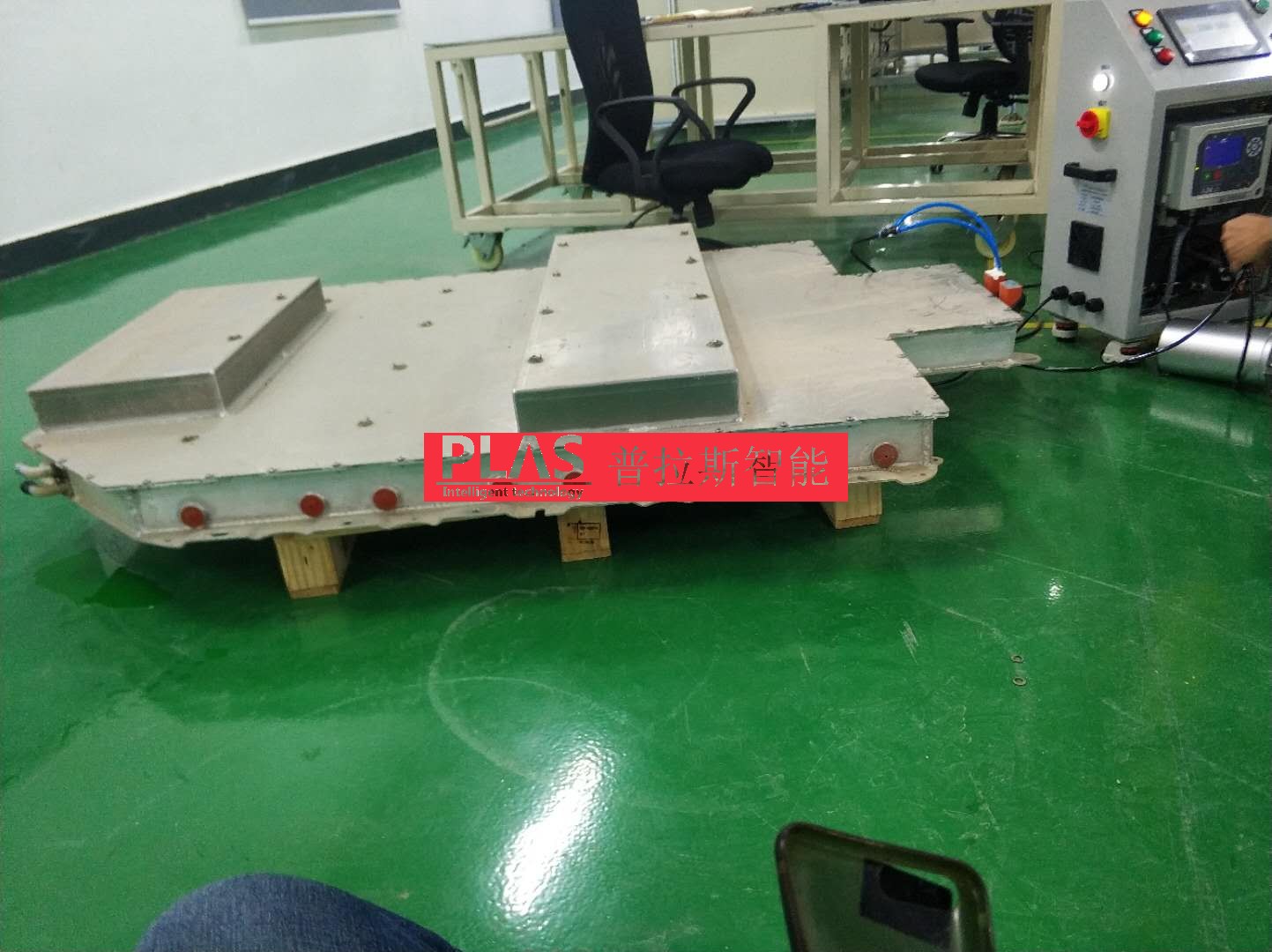
2. The air tightness performance of the battery pack is crucial to the safety and performance of the battery. The following is a possible battery pack air tightness testing solution:
1. Prepare the air tightness leak detector: Select an air tightness leak detector suitable for battery pack air tightness performance testing. Ensure that the instrument can meet the required test range and accuracy requirements.
2. Prepare test samples: Select a certain number of battery packs as test samples. The samples should be representative, covering battery packs from different batches and specifications.
3. Prepare the test environment: Conduct the test in a sealed test environment to ensure the accuracy of the test results. This can be achieved using a sealed test chamber or test room.
4. Perform the test: Place the battery pack into the test environment and connect it to the air tightness leak detector. Carry out the air tightness performance test according to the operating instructions of the air tightness leak detector. During the test, the instrument determines the air tightness performance by monitoring the pressure changes of the battery pack.
5. Analyze test results: Based on the test results, evaluate the air tightness performance of each sample. For non-conforming samples, further analyze the cause of leakage and take corresponding measures for improvement.
6. Recording and reporting: Record the test results of each sample and generate a test report. The report should include the test data, evaluation results, and improvement suggestions for each sample.
7. Tracking and monitoring: Qualified samples can be tracked and monitored to ensure the stability of their air tightness performance during use.
It should be noted that the air tightness test of the battery pack should be customized according to the specific battery pack type and application requirements. At the same time, relevant safety operating procedures must be followed during the testing process to ensure the safety of operators.

WeChat for technical support

PLUS Douyin