Sealing Technology Competition Landscape of Amphibious Vehicles: Insights from Million-Yuan Luxury Cars
When the Yangwang U8 made its debut in 2023, it turned "emergency floating" from a concept into a reality for mass-produced consumer vehicles. When a 3.4-tonne hardcore SUV can float and drive for 30 minutes in water 1.5 meters deep, what supports it is by no means a simple buoyancy design, but an entire extreme sealing system covering the body, the three electric systems, and the powertrain.
From the wading capability of traditional off-road vehicles, to the full amphibious capability of amphibious special-purpose vehicles, and further to the emergency floatation function of civilian luxury cars, every leap in capability is backed by a comprehensive upgrade of sealing processes and test verification systems. Sealing technology is no longer a supporting player in automotive manufacturing; it has become a core underlying technology that defines the boundaries of a vehicle's environmental adaptability and determines its survivability in extreme scenarios.
This article takes the Yangwang U8 as its starting point to provide an in-depth analysis of the technical key points of automotive sealing processes, systematically explain the industrial value of sealing tests, and compare the market landscape and performance parameters of amphibious vehicles at home and abroad, offering a panoramic reference for industry practitioners.
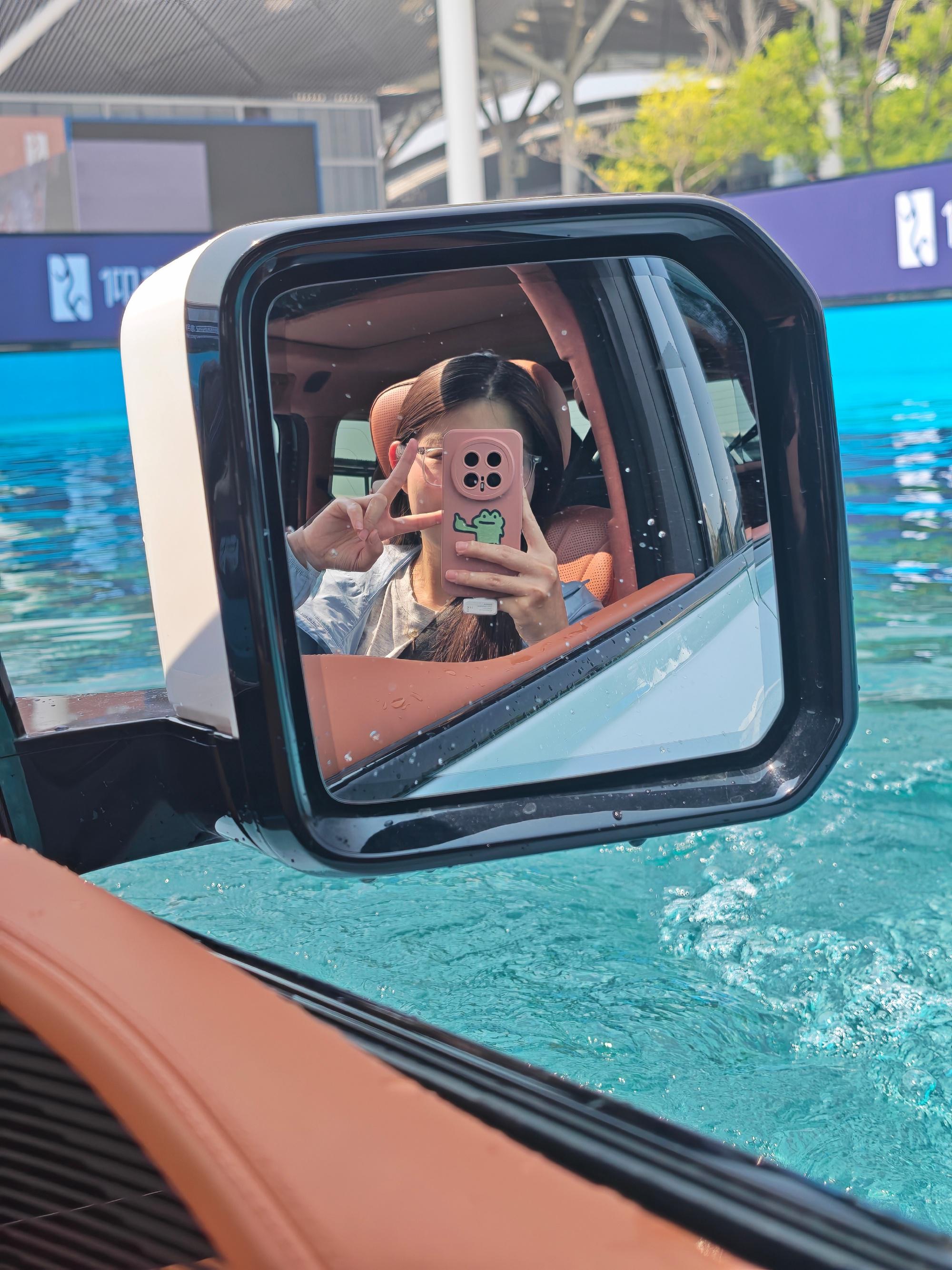
Through the rearview mirror, the water level can be seen approaching the lower edge of the windows, the cabin remains perfectly sealed, and the occupants calmly take selfies—this is the most intuitive verification of IP68-grade sealing.
The Yangwang U8 adopts a "graded protection, reinforced critical areas" design strategy for its waterproof capability. All 161 water-related components across the vehicle meet the IP67 waterproof rating, while core three-electric components such as the battery pack and motor controller are further upgraded to the highest level of protection, IP68.
| Protection level | Covered components | Protection standard | Test conditions |
|---|---|---|---|
| Core-level | Battery pack, motor controller, vehicle control unit | IP68 | No leakage after 30 minutes of static water immersion at 1.5 meters |
| System-level | Drive motor, high-voltage wiring harness, sensor module | IP67 | No impact after 30 minutes of immersion at a depth of 1 meter. |
| Body-in-white class | Cabin, doors, luggage compartment | Vehicle water tightness | No obvious water accumulation in the cabin after 30 minutes in a floating state. |
This tiered protection strategy ensures the absolute reliability of critical safety components while striking a balance between cost and weight, representing the mainstream technical approach for high-end new energy off-road vehicles.
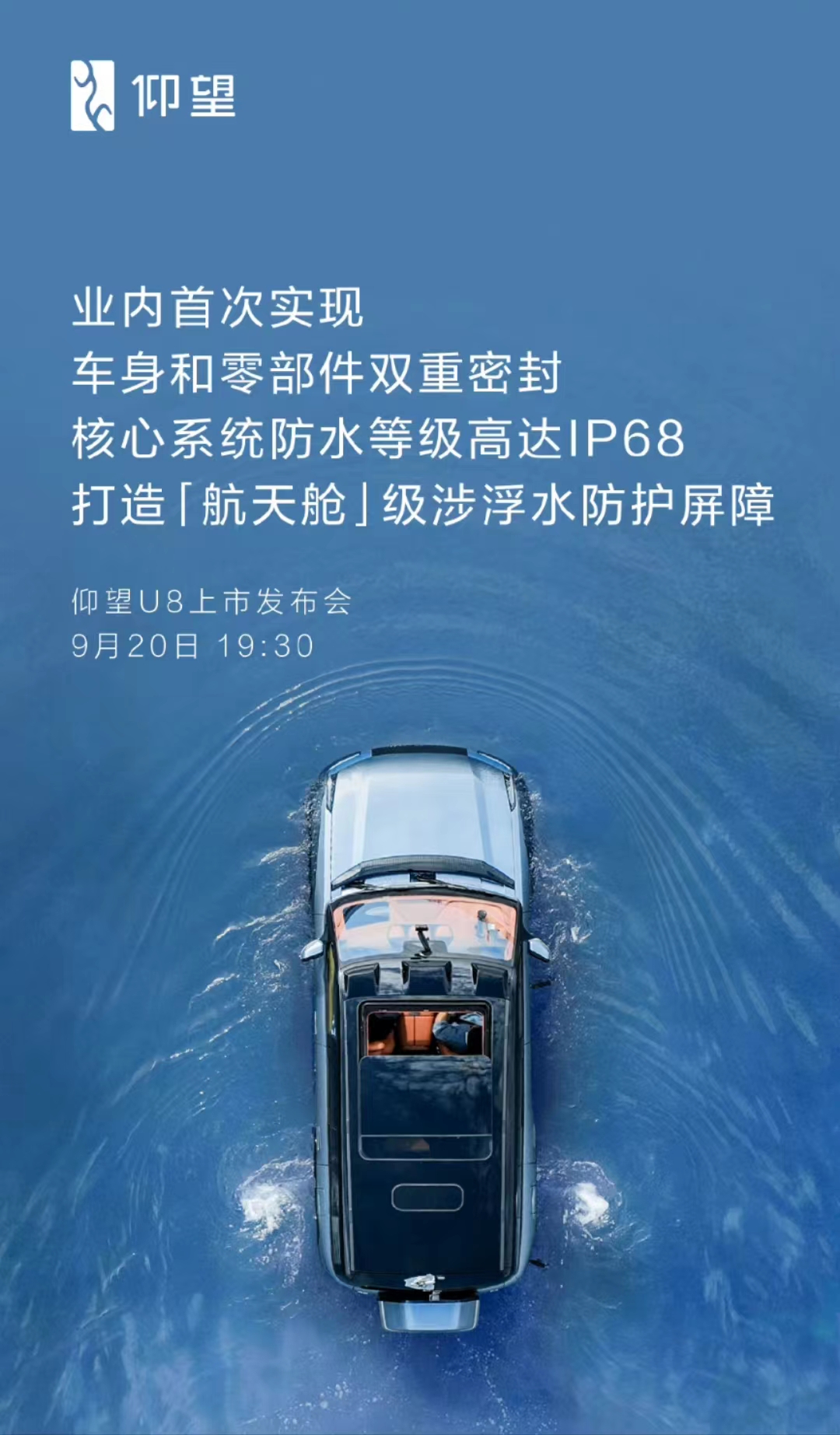
The core system boasts a waterproof rating of up to IP68, creating a "space capsule"-level water-wading protection barrier — officially announced at the Yangwang U8 launch event.
The body sealing of the Yangwang U8 involves more than 3,000 weld points and studs. Through 18 process control measures and 62 innovative designs, it ensures no leakage breakthrough points across the entire body.
Traditional door seals tend to develop gaps when water pressure rises. The Yangwang U8 redesigns the seal cross-section with a three-layer sealing strip plus an electric suction closure structure. As the water level rises and external water pressure increases, the seal is pressed tighter against the surface, so sealing performance improves in step, achieving a dynamic self-reinforcing effect where "the greater the pressure, the stronger the seal."
The body-in-white's more than 3,000 weld spots and studs all adopt a triple sealing process of pre-applied sealant + electrophoretic coating + weld seam adhesive, and 118 critical sealing points use a combination of laser welding and self-expanding adhesive strips. Every body that completes welding and painting undergoes 100% water immersion testing, making it the first automaker in the industry to implement full-volume body water testing.
The E4 four-motor independent drive system adopts an integrated sealed housing, with a dual-lip oil seal plus dust ring double structure at the motor output shaft. The battery pack adopts a three-layer sealing solution of "upper cover structural adhesive + lower case foam adhesive + perimeter sealing ring," balancing air tightness and structural strength. All high-voltage connectors use self-locking waterproof joints, with an IP rating of IP68.
As an extended-range electric vehicle, the U8's engine intake system is a weak point in sealing. Yangwang specifically optimized the engine's electronically controlled intake and exhaust valves: when the vehicle activates emergency floating mode, the intake valve closes automatically, while the exhaust system uses an innovative one-way valve to allow ventilation while preventing water ingress, solving the sealing challenge of the range extender in floating conditions.
The vehicle's high-voltage wiring harness uses integrated injection-molded sealed connectors, while all low-voltage harness connection points are protected by dual measures of heat-shrink tubing plus potting. External sensor interfaces uniformly adopt standardized waterproof connectors, and the charging port features a dual sealing cover plus drainage channel design, ensuring absolute safety of the high-voltage charging system in heavy rain and water-wading scenarios.
In a floating state, the pressure difference between the inside and outside of the vehicle is a major cause of sealing failure. The U8 is equipped with an intelligent cabin pressure equalization system that regulates the pressure difference through a controllable one-way valve, ensuring sealing integrity while avoiding the safety hazard of doors being unable to open due to negative pressure. In floating mode, the sunroof automatically leaves a gap as an emergency escape route.
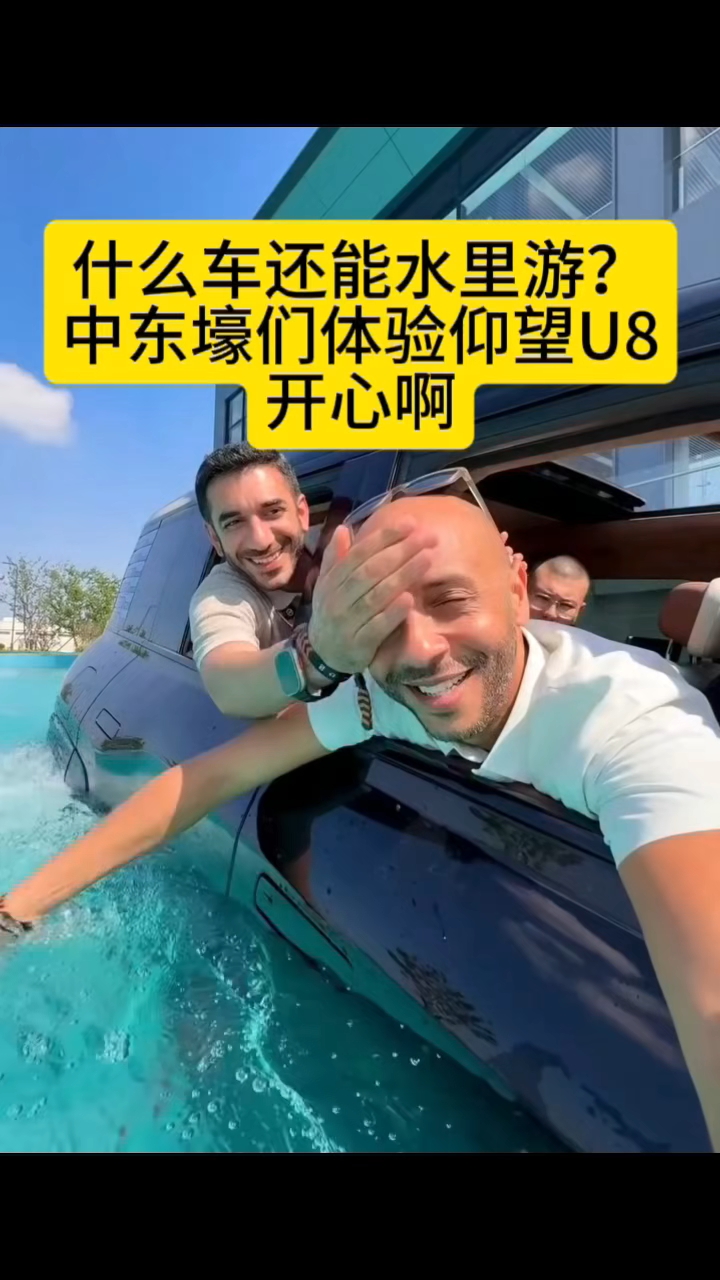
A Middle East user experiences the Yangwang U8's emergency floating capability in a swimming pool — the most compelling proof of a well-sealed cabin in a real-world scenario.
To verify the long-term reliability of the sealing system, the Yangwang U8 has completed more than 2,500 water-entry tests in total, covering a variety of operating conditions such as static water immersion, dynamic wading, wave impact, muddy water wading, and salt spray corrosion, with a cumulative total of 133 related patent applications. During the mass production stage, a dual quality control system of "every body-in-white must be inspected, and every 100 complete vehicles are subject to sampling inspection" is implemented to ensure sealing consistency of finished products.
The paper specifications of a sealing design must be verified through standardized testing before they can be translated into real reliability. The core reasons are:
The mainstream sealing test technologies in the current automotive industry are divided into two major systems: air tightness testing and waterproof testing, which complement each other:
| Test type | Core Principle | Typical Methods | Advantages and Features | Applicable Scenarios |
|---|---|---|---|---|
| Air tightness testing | By leveraging the property that gas molecules are smaller than water molecules, water leakage risks can be predicted through gas leak detection. | Differential pressure method, direct pressure method, helium mass spectrometer method | Fast, quantifiable, non-destructive, high precision | Full inspection on mass production lines, factory inspection of components |
| Water tightness test | Directly use water as the medium to simulate real operating conditions and observe leakage. | Rain test, immersion test, high-pressure water jet test | Intuitive, authentic, and closely aligned with actual use | R&D validation, vehicle sampling inspection, type testing |
Among them,Air tightness leak detectionDue to advantages such as high testing efficiency, quantifiability, and non-destructive testing, it has become a standard quality control method on new energy vehicle mass production lines. Taking the differential pressure method as an example, the testing accuracy can reach the 0.1Pa level, capable of identifying micro-leaks of a few milliliters per minute, providing early warning of defects before water leakage occurs.
For high-end vehicle models with floating capability, a complete sealing test system includes the following core items:
The global amphibious vehicle market shows a clear pattern of "distinct segmentation between defense-grade and civil-grade products, with specialized manufacturers dominating niche segments." According to data from market research institutions such as Dataintelo, the global amphibious vehicle market was valued at approximately USD 7.2 billion in 2025, with a compound annual growth rate of about 13.5%. The top ten companies together control approximately 64% of the market share, indicating a high level of industry concentration.
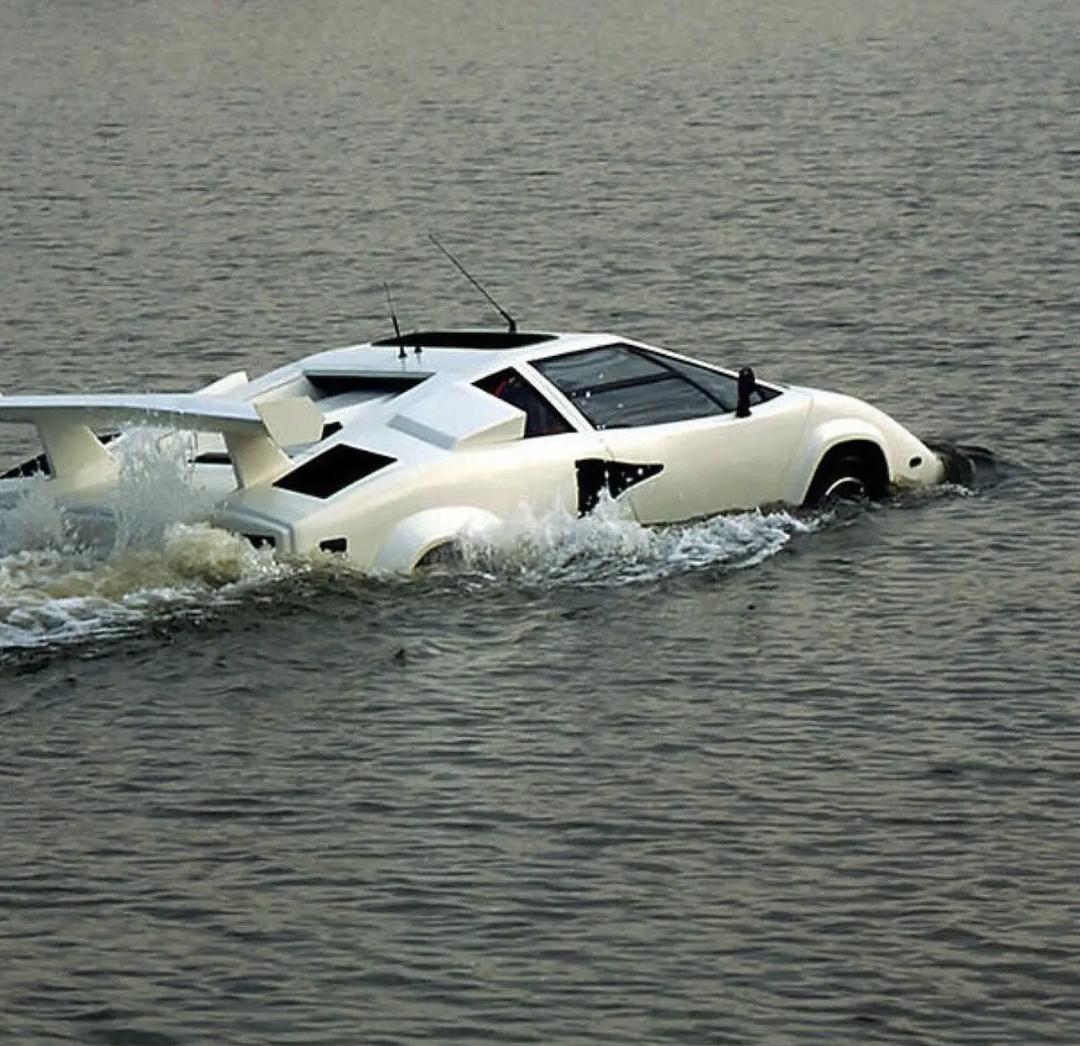
Civilian high-speed amphibious vehicles, represented by the Gibbs Aquada and WaterCar, pursue the dual capabilities of hull-grade watertightness and high-speed on-water travel.
| Ranking | Company Name | Country | Estimate market share | Core Products and Technical Features |
|---|---|---|---|---|
| 1 | Gibbs Amphibians | New Zealand/UK | ~22.4% | Civilian high-speed amphibious vehicle technology leader, Aquada series deployed in 45 countries worldwide |
| 2 | Textron Systems | The United States | ~18.3% | Core supplier of North American military amphibious vehicles, tracked amphibious assault platform |
| 3 | BAE Systems | Britain | ~9.7% | A leading European manufacturer of heavy amphibious armored vehicles and a major NATO supplier. |
| 4 | SHERP INTERNATIONAL | Ukraine/Canada | ~5.8% | All-terrain extreme-environment amphibious vehicle, advantages in extreme scenarios such as the Arctic and swamps |
| 5 | ARGO (ODG) | Canada | ~4.2% | Light amphibious all-terrain vehicle, with a high market share in outdoor rescue and recreational markets. |
| 6 | WaterCar | The United States | ~3.1% | Civilian high-speed amphibious sports car, the Panther series reaches speeds of up to 70 km/h on water. |
| — | Other manufacturers combined | — | ~36.5% | Including local defense companies from various countries and regional specialty vehicle manufacturers |
It is worth noting that the civil high-speed amphibious vehicle market has long been monopolized by a few companies such as Gibbs and WaterCar, while the military heavy amphibious vehicle market is dominated by traditional defense giants.
China's amphibious special vehicle market is dominated by military-industrial groups, while the emergency management and civil markets are growing rapidly. In 2025, the domestic market size exceeded RMB 5 billion, with CR5 (combined share of the top five companies) reaching 63.7%, as industry concentration continues to rise.
| Ranking | Company/Group Name | Estimate market share | Core Advantage Areas |
|---|---|---|---|
| 1 | China North Industries Group Corporation | ~28.3% | Tracked amphibious armored platform, military amphibious assault vehicle |
| 2 | China Shipbuilding Industry Corporation | ~22.1% | Amphibious vessels, high-speed amphibious platforms |
| 3 | AVIC Special Vehicle | ~18.3% | Flood control command amphibious vehicle, plateau amphibious assault platform |
| 4 | Beijing North Vehicle Group | ~14.6% | Armed Police amphibious counter-terrorism equipment, tracked amphibious transport vehicle |
| 5 | Changshu Huadong Automobile | ~11.9% | Civilian all-terrain amphibious transport vehicle, fishery law enforcement amphibious vehicle |
| — | Other companies | ~4.8% | Manufacturers in niche sectors such as scenic area sightseeing and emergency rescue |
In the consumer-grade civilian market, the Yangwang U8 is the world's first mass-produced luxury civilian SUV with emergency floating capability, pioneering a new category of "civilian passenger-vehicle-grade amphibious capability." With the widespread adoption of new energy technologies, it is expected that more automakers will launch passenger vehicles with high-level wading/floating capabilities within the next 3-5 years.
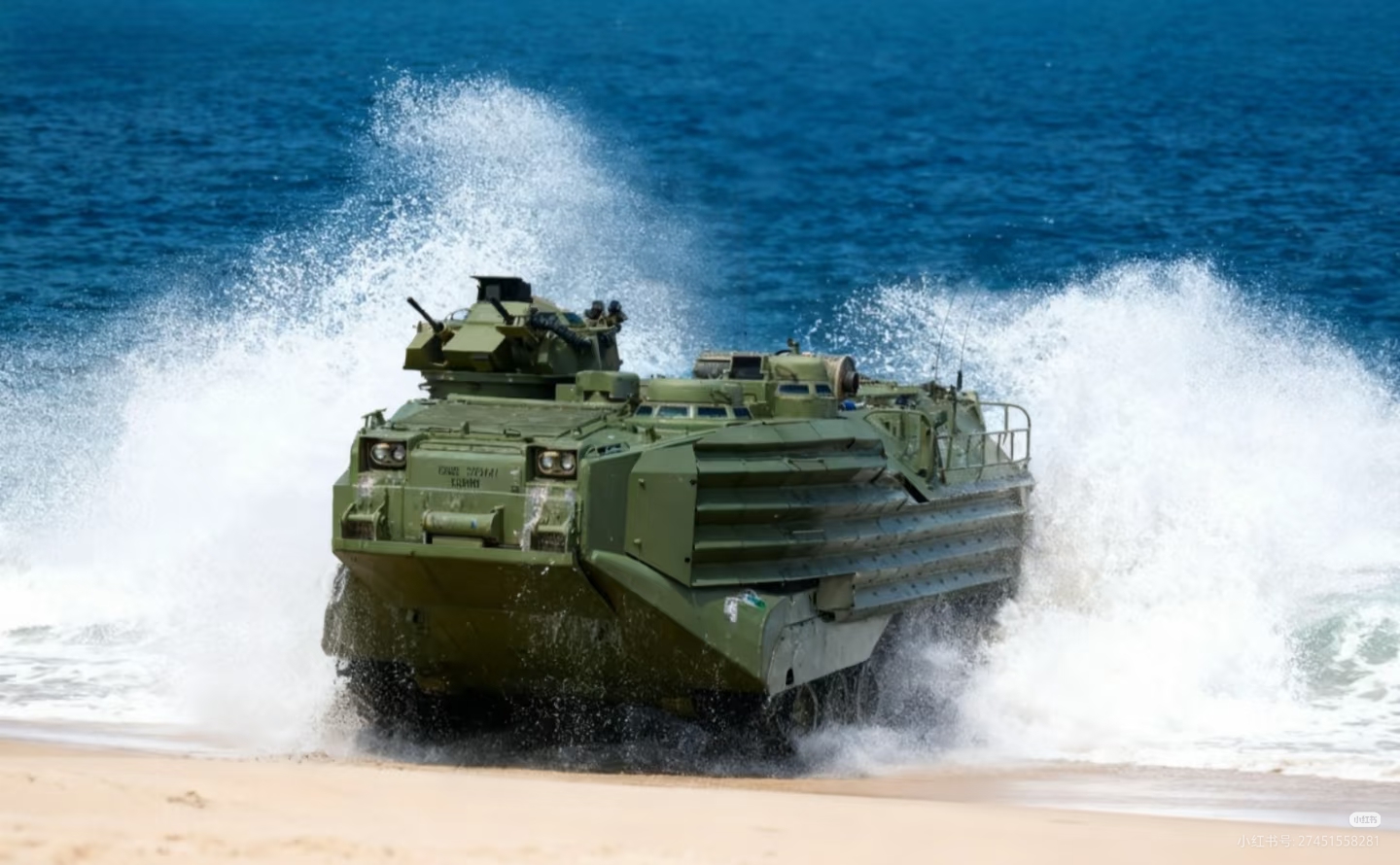
Armor-grade watertight sealing + ballistic armor + CBRN protection: the sealing system of a military amphibious vehicle must remain functional under extreme mechanical conditions such as blast impact.
| Brand and Model | Vehicle type | Water speed | Land speed | IP rating | Dead weight | Number of occupants | Typical applications |
|---|---|---|---|---|---|---|---|
| Yangwang U8 | Civilian luxury SUV (emergency floatation) | 3km/h | 200km/h+ | Core components IP68 | 3460kg | 5 people | Extreme rainstorm emergency response, off-road wading |
| Gibbs Aquada | Civilian High-Speed Amphibious Vehicle | 50km/h | 160km/h | IP67-rated hull sealing | ~1500kg | 4 people | Leisure and entertainment, water rescue |
| WaterCar Panther | Civilian amphibious sports car | 70km/h | 130km/h | Hull-level watertightness | ~1350kg | 4 people | Premium leisure, water sports |
| SHERP ATV | Extreme Terrain Amphibious Vehicle | 6km/h | 40km/h | Full-cabin watertightness | 1300kg | 4 people | Swamp, Arctic, disaster rescue |
| ARGO Frontier | Light Amphibious All-Terrain Vehicle | 5km/h | 45km/h | IP65+ | ~550kg | 6 people | Outdoor operations, emergency rescue |
| Type 05 Amphibious Armored Vehicle | Military tracked amphibious fighting vehicle | 25km/h+ | 65km/h | Armor-grade watertight | 26000kg | 3+8 people | Amphibious assault, amphibious raid |
The parameter comparison reveals that amphibious vehicles with different positioning follow vastly different technical paths: military heavy equipment pursues on-water speed and protection capability, civil special-purpose vehicles pursue extreme terrain passability, while the civil vehicle path represented by Yangwang U8 takes "gaining emergency floating capability without sacrificing land performance" as its core objective, and its sealing technology implementation path is entirely different from that of traditional amphibious vehicles.
The cost of sealing failure varies significantly across different fields, but in every case it far exceeds the investment in testing:
For this reason, sealing testing is no longer an optional item in the quality system, but a core safeguard for the bottom line of product safety.
Sealing testing is upgrading from a traditional quality inspection step to a supporting system for core product competitiveness:
From the emergency floating technology of the Yangwang U8 to professional amphibious vehicles from major manufacturers worldwide, sealing technology has always been the cornerstone that defines the boundaries of a vehicle's environmental adaptability. With the widespread adoption of new energy vehicle technology, the high-level waterproof capabilities that once appeared only on special-purpose vehicles are now rapidly trickling down to the civilian passenger vehicle market.
For automotive manufacturers, establishing a comprehensive sealing test system is no longer an exclusive feature of high-end models, but a fundamental capability for competing in the future market. Choosing a professional sealing test equipment supplier and building full-process testing capabilities from R&D validation to mass production quality control will become an important differentiating advantage for enterprises in the second half of the new energy vehicle competition.
PLUS (Guangzhou) Intelligent Technology Co., Ltd. was founded in 2018. As a high-tech enterprise specializing in the field of sealing test, it integrates R&D, production and sales, providing professional air tightness testing and waterproof test turnkey solutions for new energy vehicles, robotics, consumer electronics, medical devices and other industries.

WeChat for technical support

PLUS Douyin