One-sentence answer: A power battery PACK is assembled from the housing, upper cover, seal strip, and high- and low-voltage connectors. Failure of any seal allows moisture to intrude into the housing and threaten high-voltage insulation. Using the CTS Sentinel C28WE (C28) leak detector to test the PACK cavity as a whole in vacuum decay or pressure decay mode is the most common method of whole-pack air tightness testing on the production line.
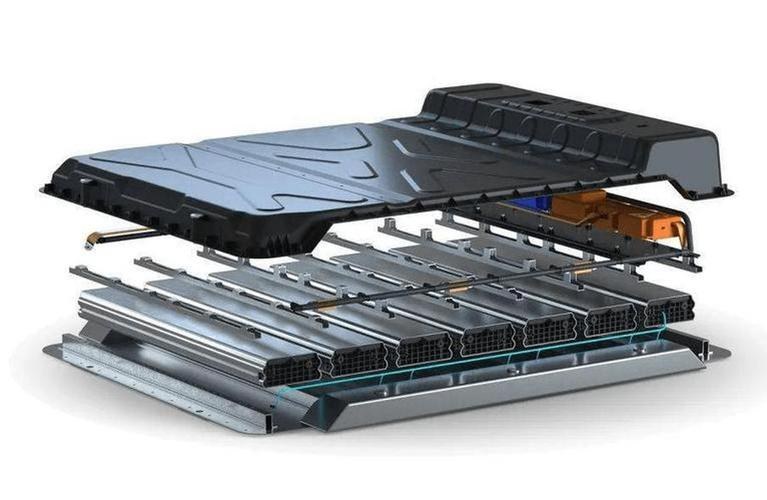
A large cavity with many sealing faces; method consistency and traceability come first in whole-pack leak testing
A PACK cavity is often dozens of liters. After inflation, gas diffusion inside the housing and temperature stabilization take time. A short stabilization window means the decision is made before the curve flattens, raising the misjudgment rate.
Upper cover seal strip, housing weld seam, explosion-proof valve, high- and low-voltage connectors, coolant ports... Whole-pack leak testing can only tell the production line that "this pack leaks." Locating the specific point still requires teardown inspection, and rework costs are high.
Workshop air pressure and air-conditioning airflow cause absolute pressure readings to drift. Without correction, the same qualified pack may yield different conclusions at different times.
The main sealing points of a PACK include:
Consequences of leakage: moisture intrusion reduces insulation inside the housing and corrodes busbars and tabs; in low-temperature or high-humidity regions, condensation may directly trigger a high-voltage interlock alarm, leading to whole-pack repair or even scrapping.
The first requirement for whole-pack testing is a universal principle, unified specifications, and suitability for 100% inspection. The C28WE is exactly the mainstay model in this position:
If a PACK requires a multi-stage sequence of "vacuum decay + differential pressure" within the same instrument (for example, first testing total cavity leakage, then testing a sub-cavity), the multi-function single-station model I28 can be selected.
It depends on the workpiece and process agreement. If internal pressurization is allowed and contamination-free testing is desired, use pressure decay (direct pressure); if internal pressurization is not allowed, or the external water pressure direction needs to be simulated, use vacuum decay. The CTS C28WE supports both methods and can switch between them by recipe on the same instrument.
There are three common causes: insufficient stabilization time (gas in the cavity not yet balanced), aging sealing rings in the fixture plugging, and workshop atmospheric pressure fluctuations. The C28's built-in ambient drift correction and absolute pressure sensor can eliminate the third type of interference; the first two must be solved through process and fixture management.
It cannot fully replace them. Whole-pack leak testing is an assembly-level gate used to intercept overall failure after assembly; component-level tests (such as connectors, cold plates, and housing weld seams) are used to intercept defects before pack assembly. Only by combining the two can rework costs be reduced while ensuring factory consistency.
The key to PACK whole-pack air tightness is unified method, interference resistance, and full traceability. The CTS C28WE covers the whole-pack testing needs of mixed-model production lines with dual direct pressure / vacuum decay methods, ambient drift correction, and 32 recipes; together with component-level testing and custom plugging fixtures, it forms a complete defense line for battery pack sealing quality.

WeChat for technical support

PLUS Douyin
