The global military communications market is in a high-growth channel, and in 2025 the global military tactical radio market sales reached14.42 billion USD, and it is projected to reach USD 21.65 billion by 2032. As battlefield environments become increasingly complex and the demand for digitalized individual soldier equipment rises,The sealing process and sealing test of military walkie-talkies have become core elements of the military quality system.——Sealing performance directly determines the equipment's battlefield survivability, service life, and the safety of operating personnel.
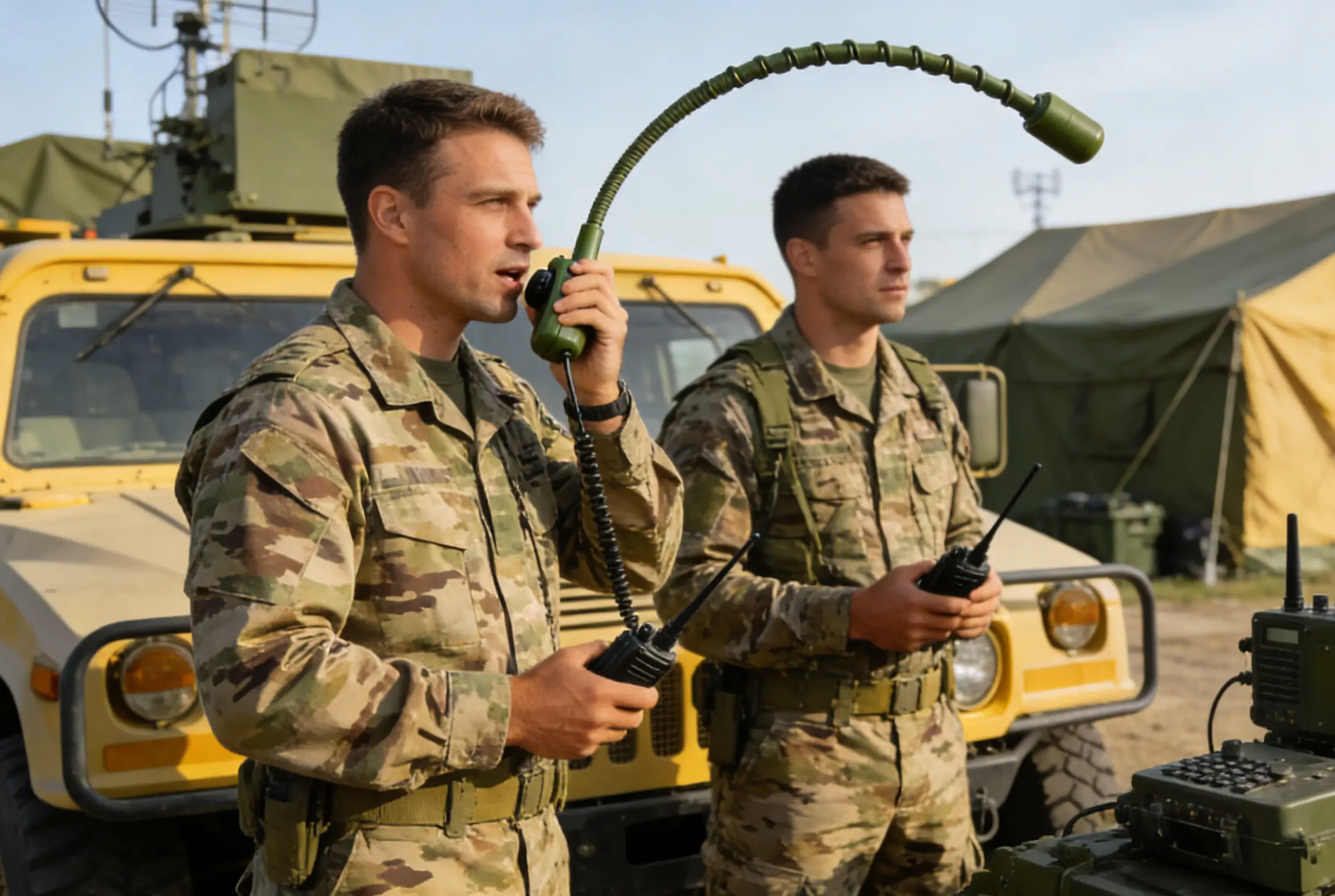
Military two-way radios must maintain uninterrupted communication in extreme battlefield environments such as sandstorms, heavy rain, and underwater infiltration, making the sealing process their "lifeline."
The global military communications market is in a high-growth channel. According to QYResearch statistics,In 2025, global military tactical radio market sales reached USD 14.42 billion., and it is projected to reach USD 21.65 billion by 2032, with a compound annual growth rate (CAGR) of 5.8%.
| Market segmentation | 2025 scale | 2032 Forecast | CAGR |
|---|---|---|---|
| Global Military Tactical Radio | 14.42 billion USD | $21.65 billion | 5.8% |
| Global walkie-talkie market (including consumer-grade) | 4.6 billion USD | $11.4 billion | 9.5% |
| Global military land vehicle intercom systems | 2.641 billion yuan (RMB) | 3.788 billion yuan | 5.29% |
| Global government and public safety radios | 2.843 billion USD | 3.954 billion USD | 4.9% |
| P25 radio market | 6.563 billion yuan (RMB) | 9.064 billion yuan | 4.8% |
Military walkie-talkies must beSandstorm, heavy rain, underwater penetration, high humidity, salt spraymaintain communication in extreme battlefield environments. Sealing performance directly determines:
Military two-way radio sealing must simultaneously meetUS Military Standard (MIL-STD)andInternational Protection (IP) RatingDouble standard.
MIL-STD-810 is a standard established by the U.S. Department of DefenseEnvironmental engineering considerations and laboratory testingStandards, covering a series of extreme environment tests:
| Test Items | Test Content | Requirements for military two-way radios |
|---|---|---|
| Low-temperature testing | Operating below -30°C | Ensure polar/high-altitude operations |
| High-temperature testing | Operating above +60°C | Ensure desert/tropical operations |
| Temperature shock | Rapid switching between extreme temperatures | Test the thermal expansion and contraction resistance of sealing materials |
| Rain test | Simulated rainstorm environment | Verify waterproof sealing |
| Dust test | Simulated sandstorm environment | Verify dust seal |
| Salt spray test | Simulate offshore/coastal environments | Test the corrosion resistance of sealing components. |
| Vibration/Shock | Simulated battlefield explosion shock | Test the integrity of the sealing structure |
| Low pressure | Simulate high-altitude / plateau environment | Test the pressure balance of the sealing structure |
The IP (Ingress Protection) rating is established by the International Electrotechnical Commission (IEC) to evaluate the ability of equipment enclosures to protect against solids and liquids:
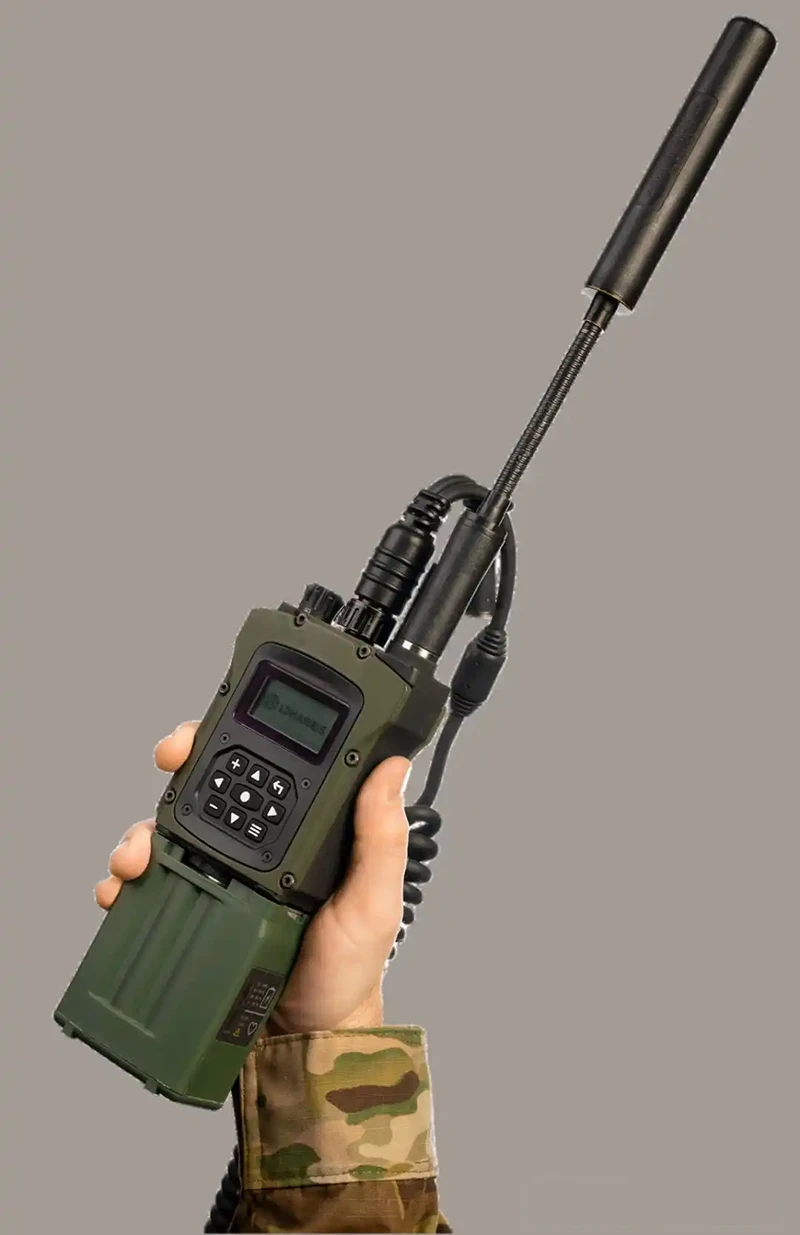
O-ring rubber seals, foamed silicone sealing, dispensed gasket sealing, and secondary overmolding form a multi-layer protection system
| IP rating | Dust protection capability | Waterproof capability | Military two-way radio applications |
|---|---|---|---|
| IP54 | Partial dust protection | Splash-proof | Basic Military/Police |
| IP67 | Dust-tight | Immersion at a depth of 1 meter for 30 minutes | Mainstream military standard configuration |
| IP68 | Dust-tight | Continuous immersion (over 1 meter) | Standard issue for elite/special forces |
Military walkie-talkies typically useLightweight aluminum alloy and plastic integrated die-casting structure, combined with the following sealing technologies:
Modern military communication equipment widely usesSpecialty adhesives and sealantsPerform environmental sealing and waterproofing:
According to national military standards, military two-way radios are required to undergoImmersion test, to verify the actual waterproof capability of the sealing structure.
The global military walkie-talkie/tactical radio market presentsHighly concentratedfeatures of.The top five manufacturers collectively held a 42% market share in 2025.。
| Manufacturer | Headquarters | Core Positioning | Market Share Highlights |
|---|---|---|---|
| L3Harris Technologies | United States | Global leader in tactical radios | Tactical HF radio marketApproximately 28% share |
| Motorola Solutions | United States | Global leader in the walkie-talkie market | Walkie-talkie marketOver 17.6% share |
| Thales Group | France | European defense communications giant | Core supplier of intercom systems for military vehicles |
| General Dynamics | United States | U.S. military core supplier | Key manufacturers of tactical communication systems |
| Raytheon Technologies | United States | Top-tier national defense communications manufacturer | Core manufacturer of military tactical radios |
Key players in the global military tactical radio market include:
| Manufacturer | Headquarters | Core Advantages | Market Position |
|---|---|---|---|
| Hytera | Shenzhen | Global Private Network CommunicationsRanked second, market share13% | Domestic35.7% brand shareRanked first |
| Vid | China | Models such as the AK815 meet the needs of public security/armed police/emergency response | Core supplier for the Armed Police and Public Security |
| Kirisun | China | Independently controllable chips and encryption algorithms | Main force for domestic substitution |
| Beifeng (Bfdx) | Fujian | BF-TD930 passes IP68 + MIL-STD-810G + GJB150A | Professional-grade military two-way radio |
| Comparison dimension | Leading international brands | Leading Chinese brand |
|---|---|---|
| Representative Enterprises | Motorola、L3Harris、Thales | Hytera, Weide, Beifeng |
| Waterproof rating | IP67/IP68For standard configuration | IP67/IP68For mainstream |
| Military standard | MIL-STD-810 G fully passed | MIL-STD-810G + GJB150A-2009 |
| Sealing process | Aluminum alloy die-casting + multiple sealing + special adhesive | Integrated die casting + silicone sealing ring + dispensing |
| Immersion test | 2 m water depth for 2 hours (SRX 2200) | 1 meter water depth for more than 30 minutes |
| Temperature range | -30°C ~ +60°C | Compliant with GJB150A extreme temperature testing |
Military two-way radios face in battlefield environmentsSandstorm, rainstorm, seawater immersion, high humidity, salt sprayand multiple other threats. Seal failure can lead to:
Sealing tests for military two-way radios need to cover the entire process from design verification to full inspection in mass production.
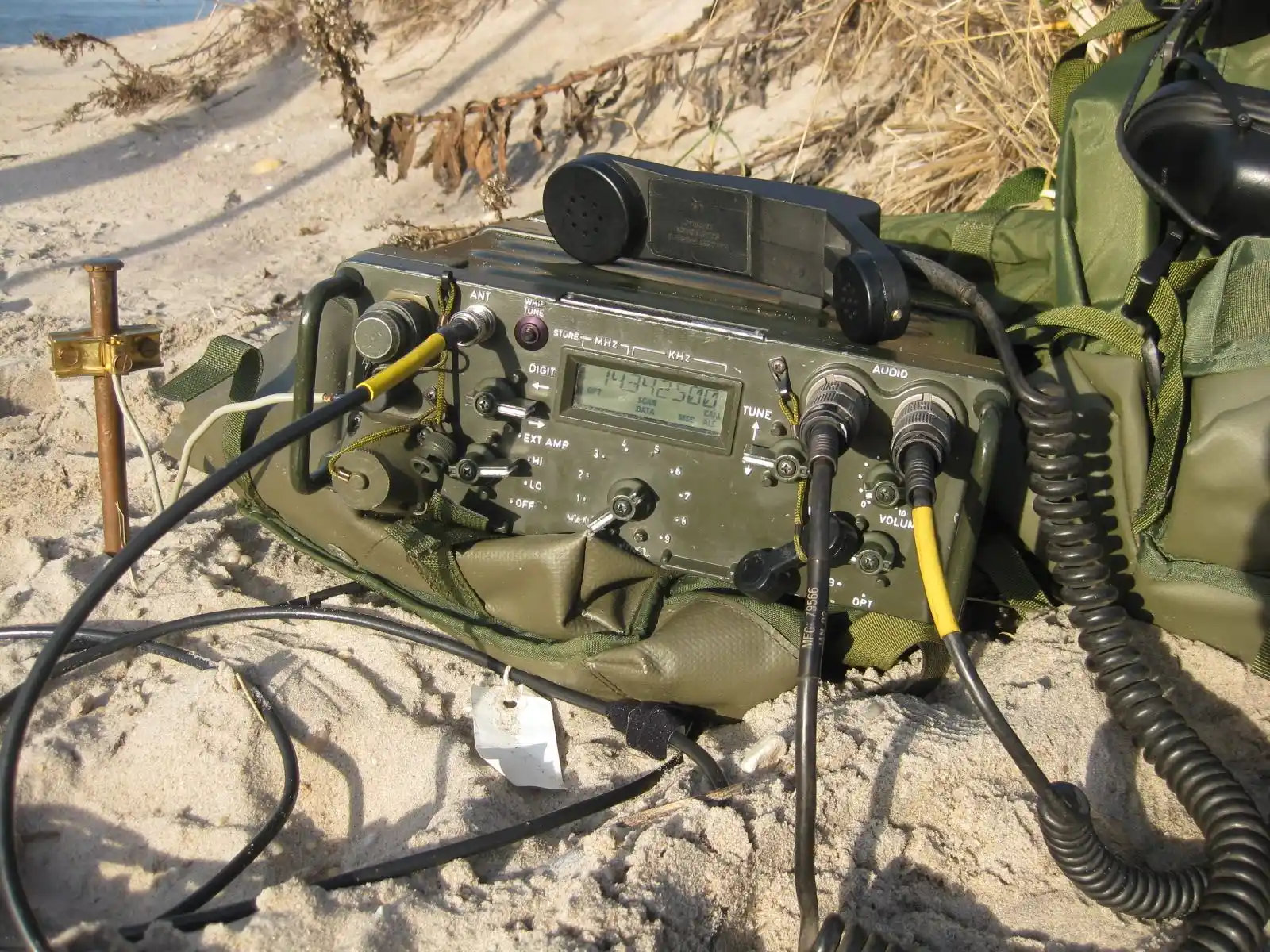
From design verification to 100% inline inspection on the production line, the air tightness tester is the core equipment for quality assurance of military communication devices.
| Test Method | Test Content | Applicable Stage |
|---|---|---|
| IP Rating Test | Dust chamber + water spray system simulates different IP ratings | Design Verification / Type Testing |
| Immersion test | Immerse at a specified water depth and check for water ingress inside. | Design verification / sampling inspection |
| Air tightness testing | Pressure change measurement equipment detects leak rate | 100% full inspection on the production line |
| Pressure decay method | Apply stable air pressure and measure the pressure decay value. | 100% inspection on the production line |
| Vacuum decay method | Vacuum environment pressure change monitoring | High-precision testing |
| Salt spray test | Salt spray chamber exposure to evaluate corrosion resistance | Material/Process Validation |
| Temperature shock method | Rapid switching between extreme temperatures | Design Verification |
| Vibration sealing test | Vibration table simulates battlefield vibration | Design Verification |
Air tightness testers are widely used in a variety of military products, includingHandheld two-way radios, individual communication devices, sights, backup power supplies, laser aiming devices, etc.。
The global military communications market is in a period of rapid growth, with its market size reaching USD 14.42 billion in 2025. As battlefield environments become increasingly complex and the demand for digital soldier equipment rises,The sealing process and sealing test of military walkie-talkies have become core elements of the military quality system.。
From the perspective of the standards system,MIL-STD-810withIP67/IP68constitute the dual thresholds for military walkie-talkie sealing. From the perspective of the market landscape,L3Harris、Motorola Solutions、Thalesand other international giantsHytera, VitechChinese domestic brands are gradually closing the gap in sealing processes.
Sealing test from traditionalImmersion testDeveloped toHigh-precision air tightness testing, achieving the transition from sampling inspection to100% full inspection on the production linePLUS (Guangzhou) Intelligent Technology Co., Ltd., as a national high-tech enterprise, has mature technical expertise in the field of air tightness testing and can provide professional sealing test solutions for military communication equipment, helping to upgrade the quality of military products.

WeChat for technical support

PLUS Douyin