One-sentence answer: The interior of a drone body cabin integrates the flight controller, battery, and video transmission module. Once the cabin cover seam, motor mounts, gimbal interface, and wiring harness outlets allow water ingress, it will directly cause loss of control or power interruption. Using the CTS Sentinel C28WE (C28) leak detector to perform pressure decay or vacuum decay testing on the cabin is the means by which OEMs intercept waterproofing risks before shipment.
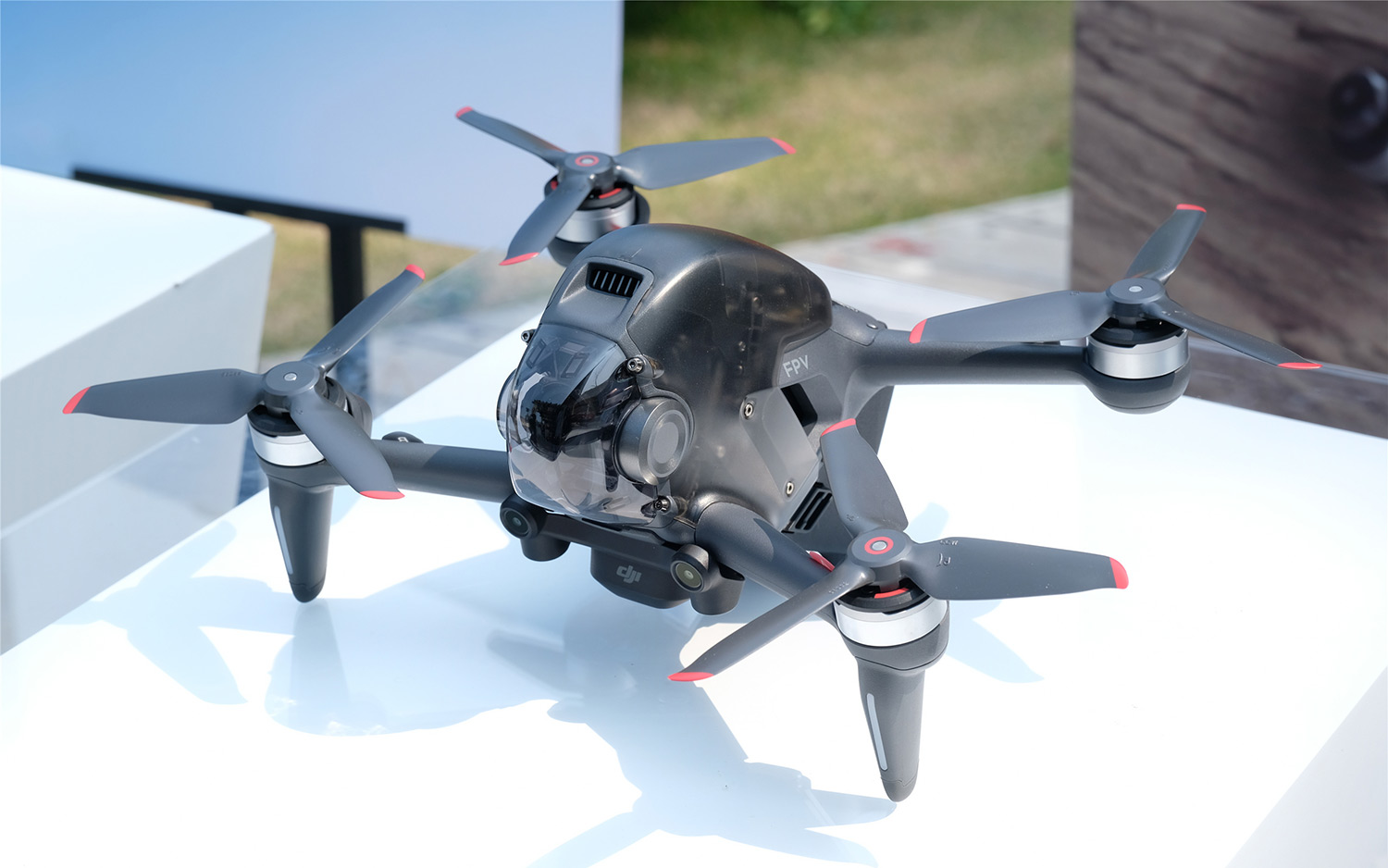
A large cabin with many interfaces: whole-cabin testing gates the assembly, key connectors still need local re-testing
Takeoff and landing impacts and in-flight vibration subject seal strips and O-rings to alternating stress over the long term. A cabin that passes at the factory may still develop new leaks during service, so the initial sealing quality must retain a margin.
Motor mounts, quick-release gimbal interfaces, wiring harness outlets, and heat dissipation and pressure equalization structures are distributed across the arms and body, making the plugging scheme complex.
The body is often assembled from carbon fiber composite and engineering plastics. The two have different coefficients of thermal expansion, and the joint surfaces tend to develop micro-gaps under temperature differential conditions.
Sealing locations: the seal strip between the cabin cover and the body, motor mount mounting surfaces, gimbal interface, wiring harness outlet potting area, pressure equalization structure, and sensor openings.Consequences of leakage: after moisture ingress, the flight controller and video transmission circuits short-circuit or corrode, potentially causing attitude loss of control and video transmission interruption; the battery compartment being affected by moisture brings safety hazards; the loss caused by operation interruption far exceeds the cost of testing a single unit.
Motor mounts, quick-release gimbal interface, wiring harness outlets, sensor and pressure equalization openings, and the cabin cover seam. Scattered plugging points are the main difficulty of this type of fixture. It is recommended to make dedicated custom-formed fixtures by model rather than using universal pressure plates.
Vibration accelerates seal fatigue, causing the sealing margin at factory shipment to be gradually consumed during service. Therefore, judgment should not only distinguish pass from fail, but should focus on batch consistency to prevent products that remain close to the limit for a long time from entering the market.
Separate testing is recommended. The sealing requirements of the battery compartment and the electronics compartment are different, and on most models it is a module that can be received independently. Intercepting at the module level first can significantly reduce complete unit rework costs, and combining the two is more economical.
No, provided the correct method is selected. A cabin with the complete unit already assembled must not be internally pressurized. Vacuum decay should be used to establish a pressure differential from the outside, avoiding air pressure acting on the cells and circuit boards; between the instrument and the complete unit there is only the pneumatic circuit and fixture contact, with no electrical connection. What truly needs to be prevented is excessive plugging clamping force causing cabin cover deformation.
The core of drone cabin air tightness is scattered plugging point management, no deformation of composite parts, and sufficient sealing margin. The CTS C28WE, with dual methods, ambient drift correction, and 32 programs, adapts to multi-model shared-line testing. Combined with dedicated custom-formed fixtures, it forms the front-end guarantee for complete unit waterproofing reliability.

WeChat for technical support

PLUS Douyin
