The global water purifier market is on a steady growth trajectory, with its 2025 market size estimated at approximatelyUSD 48.01 billion, and it is expected to reach by 2035$97 billion(CAGR 7.5%). As a core part of water purifier quality control, sealing test directly determines the product's filtration performance, service life and user safety. This article provides a comprehensive analysis of the current status and trends of sealing test technology in the water purifier industry from four dimensions: market size, brand landscape, value of sealing test, and leak detection technology.
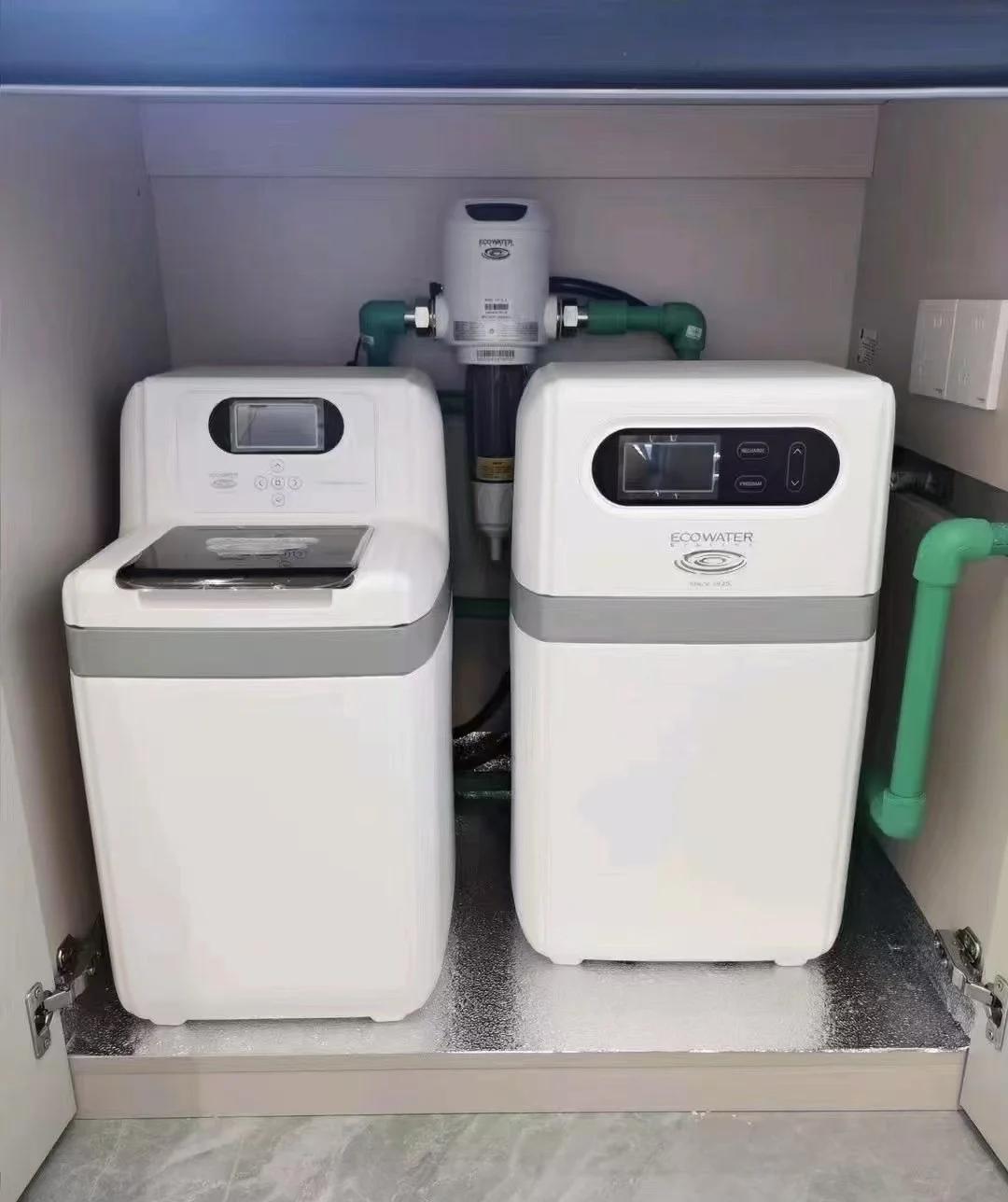
From market landscape to leak detection technology: a comprehensive analysis of the current status and trends of sealing test technology in the water purifier industry
According to the latest report from Global Market Insights Inc.,The global water purifier market size was valued at approximately USD 48.01 billion in 2025., it is projected to grow from USD 50.8 billion in 2026 to USD 97 billion in 2035, with a compound annual growth rate (CAGR) of 7.5% during the forecast period. Data from other research institutions show that the global water purifier market was approximately USD 37.7 billion to USD 49.8 billion in 2025. Although statistical calibers differ, the growth trend is highly consistent—it is expected to reach USD 72.8 billion to USD 112.6 billion by 2034.
From the perspective of regional distribution,The Asia-Pacific region holds a dominant position in the global water purifier market., contributing about 45% of sales. Among them,China remains the world's largest market with a market size of approximately RMB 118 billion.The North American and Western European markets are relatively saturated, with household penetration rates of 67% and 54% respectively, and growth has been comparatively moderate. The Latin American and African markets started later but are growing at 14% and 17% respectively, emerging as new growth drivers.
From a technical route perspective, reverse osmosis (RO) technology still accounts for54%, the share of ultrafiltration and nanofiltration products in emerging Asia-Pacific markets has risen rapidly to 28%. The global penetration rate of smart water purifiers (with functions such as water quality monitoring, filter life reminders, and remote control) reached 22% in 2025 and is expected to exceed 30% in 2026.
The global water purifier industry presents"Concentrated at the top, innovative in the long tail"characteristics. According to Frost & Sullivan's "2026 Global Water Purification Industry White Paper,"In 2025, the top five global companies accounted for approximately 39% of the total market share by revenue.。
According to Global Market Insights, the top 5 participants in the global water purifier market in 2025 includeA.O. Smith、Brita、Culligan、Kent RO Systems、LG Electronics, with a combined market share of 21%, of whichLG Electronics holds a market share of over 6%.Culligan held a 19% global market share by revenue in 2025. The top ten brands worldwide accounted for a combined 54.2% market share in 2025.
Other major manufacturers also includeGE, BWT, Pentair, Philips, Panasonic, 3M, Cowayetc.
China is the world's largest single market for water purifiers. According to GfK CMM data, in the first half of 2025, offline retail sales in China's water purification industry surged year-on-year40%, the top 3 brands account for more than 50% of the market share:
| Ranking | Brand | Sales share |
|---|---|---|
| 1 | Haier | 18% |
| 2 | A.O. Smith | 17.9% |
| 3 | Angel | 15.6% |
In the offline market, the top five brands—A.O. Smith, Angel, Qinyuan, Casarte, and Midea—each hold a market share of over 10%. In the online market, Midea, Xiaomi, and Haier lead, with the market being more fragmented.
Chinese domestic brands account for more than 40% of the Asia-Pacific market share., while European and American brands still dominate the high-end market. China's water purifier exports reached US$4.62 billion in 2025, up 12.5% year on year, mainly to Southeast Asia, the Middle East and Africa.
| Dimension | International brands | Chinese domestic brand |
|---|---|---|
| Market positioning | Primarily targeting the high-end market, with deep technical expertise | Covering all price ranges, with clear cost-performance advantages |
| Technical Advantages | Leading RO membrane and core filtration media technologies | Intelligent, instant-heating and other application innovations stand out. |
| Regional Advantages | High penetration rate in European and American markets | The Asia-Pacific market accounts for over 40%. |
| Representative Enterprises | Culligan、A.O.Smith、LG、Pentair | Haier, Midea, Angel, Qinyuan, Xiaomi |
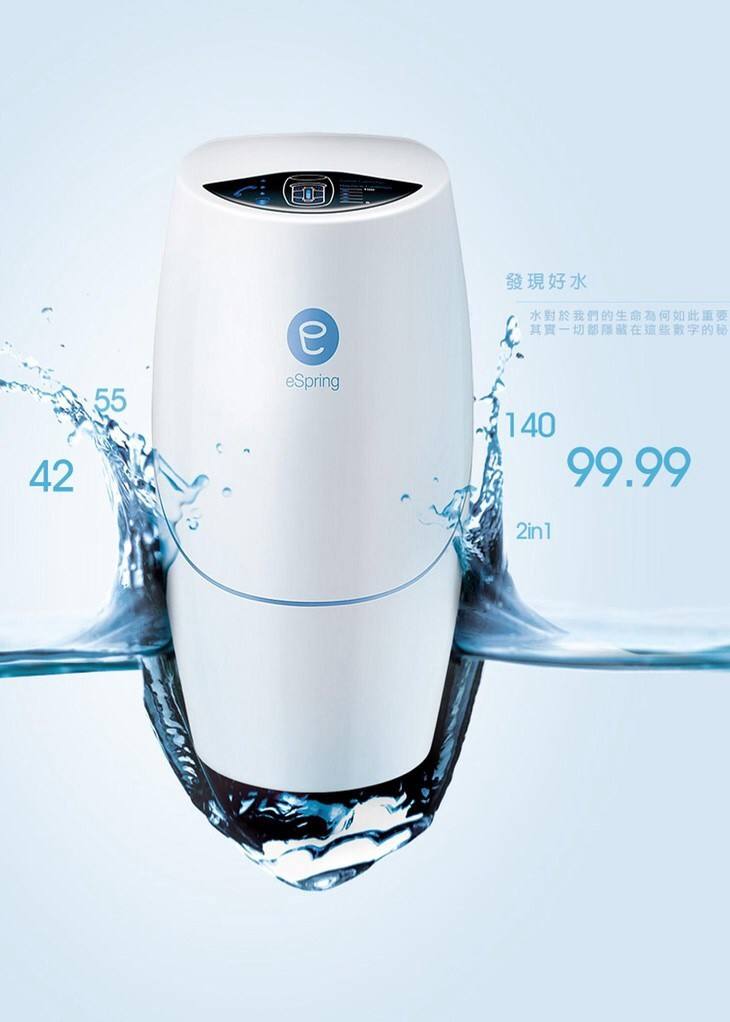
Sealing performance is a core part of water purifier quality control, directly affecting filtration effectiveness, product lifespan, and safety in use.
Sealing (air tightness) testing is a core part of water purifier quality control and has a decisive impact on product quality and user safety:
Water purifier sealing tests are mainly based on the following standards:
| Standard number | Name | Remarks |
|---|---|---|
| ISO 5208 | Industrial Valve Leakage Rate Testing Methods | Specify leak rate classification and test pressure range. |
| GB/T 13927 | Industrial Valve Pressure Testing | Ensure no leakage risk during long-term equipment operation |
| ASTM F2095-22 | Sealing component air tightness testing | Helium mass spectrometer method, sensitivity up to 1×10⁻⁹ mbar·L/s |
| GB 4706.1 | General safety requirements for household appliances | Covers household equipment such as water purifiers |
| QB/T 4144-2019 | Household and similar pure water treatment units | 0.4MPa air tightness test, pressure decay ≤0.005MPa is qualified |
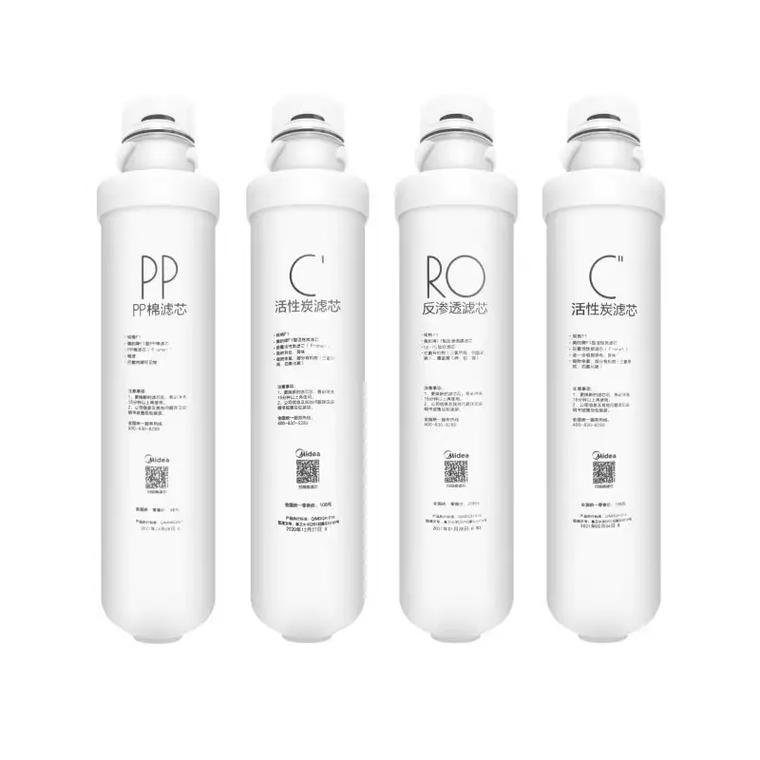
From differential pressure air tightness testing to nitrogen-hydrogen leak detection, we provide diversified sealing test solutions for the water purifier industry.
Using dry and clean compressed air, nitrogen, helium, etc. as the test medium, a high-precision gauge pressure sensor is used for leak rate detection.Accuracy must be within 0.1% F.S.。
Typical test sequence: inflation (e.g., 0.6 MPa) → stabilization for 5-10 seconds → pressure hold monitoring for 30-60 seconds → result judgment.
Advantages: Easy to operate, low cost, suitable for high-volume inspection on production lines. Supports multi-station parallel testing (e.g., four-channel equipment), with a single test taking ≤1 minute.
Representative products include Shangteng TechnologyK80, T80 Air Tightness Tester, having served leading water purifier companies such as Qinyuan, Midea, Angel, and Haier.
Using helium as a tracer gas to detect minute leaks, it offers extremely high sensitivity. The helium mass spectrometer leak detector consists of a gas collection unit and a detection unit. The gas collection unit collects the gas on the outside of the water filter element and delivers it to the detection unit for analysis.
Helium is an ideal test gas because it is inert and helium molecules are smaller than water molecules, enabling the detection of extremely small leaks. Detection sensitivity can reach≤1×10⁻⁹ mbar·L/s。
Representative products: Agilent HLD BD30 benchtop dry helium leak detector, INFICON ELT3000.
Nitrogen-hydrogen leak detector is based on5% hydrogen + 95% nitrogen gas mixtureHigh-precision leak detection equipment for tracer gas. This gas mixture is safe, non-flammable (as defined by ISO 10156), and environmentally friendly.
As helium prices continue to rise, an increasing number of established brand users, including Fortune Global 500 companies, have adopted nitrogen-hydrogen leak detectors to achieve low-cost, high-precision, non-destructive, and localized air tightness testing.
Representative product: Hangzhou Chaoju TechnologyATH-3000 Series Nitrogen-Hydrogen Leak Detector。
Supports multi-station parallel testing, suitable for full inspection scenarios on production lines, with a single test taking ≤1 minute.
| Manufacturer | Main Products | Features |
|---|---|---|
| Hangzhou Chaoju Technology Co., Ltd. | ATH-3000 Nitrogen-Hydrogen Leak Detector, Water Purifier and Water Dispenser Leak Detector | Nitrogen-hydrogen leak detection technology leads the industry, with costs only 1/15 to 1/20 that of helium. |
| PLUS (Guangzhou) Intelligent Technology Co., Ltd. | X530, D530 Air Tightness Tester | With 10 years of deep expertise in leak testing, we serve leading enterprises such as Amway, Midea, Ecowater, and Haier. |
| Shenzhen Ruite Testing Equipment Co., Ltd. | RT900 Series Air Tightness Tester | Supports multiple media including air, nitrogen, helium, etc. |
| Foshan Xunyou Technology Co., Ltd. | Multi-channel air tightness leak detector, water hammer test machine | Specialized in testing equipment for small home appliances and water purifiers |
| Innomatec | High-pressure helium leak detection equipment | German brand with an Asia-Pacific R&D and production base in Taicang, Jiangsu. |
As the water purifier industry continues to raise its product quality requirements, sealing test technology is showing the following trends:
The global water purifier industry is in a period of steady growth, with a market size of approximately USD 48 billion in 2025, projected to reach USD 97 billion by 2035. The competitive landscape is characterized by concentration among leading players, with domestic and international brands such as Culligan, A.O. Smith, LG Electronics, Haier, and Midea holding major market shares.
Sealing testing is a core part of water purifier quality assurance, directly affecting filtration performance, product lifespan, and safety in use. Leak detection technology has evolved from traditional differential pressure air tightness testing to high-precision helium mass spectrometer leak detection and more cost-effective nitrogen-hydrogen leak detection, providing diversified sealing test solutions for the water purifier industry.
As the world places increasing emphasis on drinking water safety, intelligent technologies continue to penetrate the industry, and testing technologies keep advancing, the water purifier industry will enter a stage of higher-quality development.

WeChat for technical support

PLUS Douyin