An air tightness tester is a device used to measure whether a test piece has leakage defects, and it is widely applied in the manufacturing process of electronic components. We will introduce the application of air tightness testers in the field of electronic components from multiple perspectives.
In the field of electronic components, air tightness leak detectors have a wide range of applications. The following are some common application scenarios:
1. Package testing: During the packaging process of electronic components, the sealing performance of the package must be ensured to prevent the external environment from affecting the components. An air tightness leak detector can be used to test whether the package is qualified and whether there are any leak points.
2. Vacuum equipment testing: In the manufacturing process of certain electronic components, vacuum equipment such as vacuum tubes and vacuum-packaged devices is required. Air tightness leak detectors can be used to test the sealing performance of this vacuum equipment to ensure proper operation.
3. Air tightness testing: During the design and manufacturing of electronic components, the air tightness performance of the components needs to be tested to ensure they meet the specified requirements. An air tightness leak detector can be used to test the air tightness performance of components, identify and repair potential leak issues.
4. Electronic Equipment Repair: During the repair of electronic equipment, it is sometimes necessary to detect air tightness issues in the equipment, such as the sealing performance of electronic equipment enclosures. Air tightness leak detectors can be used to locate and repair leak points in the equipment.
5. Environmental testing of electronic components: In certain special environments, such as high temperature, low temperature, and high humidity, the sealing performance of electronic components may be affected. Air tightness leak detectors can be used to test the sealing performance of components under different environments and evaluate their ability to adapt to various conditions.
Air tightness leak testing is divided into two types: mass flow type and differential pressure type. The former can simultaneously measure the vacuum level of the item under test and the leak rate of the valve or pipe connection area; the latter can precisely determine the extent of the leakage problem in the observed sample. Each type has unique functions and can be used flexibly according to the different items under test.
In the electronic component manufacturing industry, various parts and components must withstand repeated extreme conditions such as high temperatures and cooling cycles.
If a product leaks, it will seriously affect product performance and may even cause the entire system to fail. Therefore, accurate and reliable quality control of these potentially problematic components is essential for industry development, and the use of air tightness leak testing technology can help companies monitor and adjust equipment to higher standards.
In the production of electronic components, air tightness testers can be used to test various connector ports, enclosures, and printed circuit boards. For example, testing is required before chip packaging to ensure that external contaminants do not affect the stability of the silicon wafer; in addition, strict air tightness performance testing is also required during the manufacturing of LED lighting fixtures to ensure long service life and high reliability of the products.
Air tightness leak detection technology features speed, high sensitivity, and automation. Its application in the field of electronic components enables companies to greatly simplify the time and effort required from operators, while effectively strengthening the progress of product quality control.
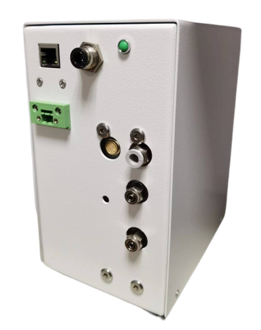
In summary, air tightness testers are widely used in the field of electronic components, including package testing, vacuum equipment testing, air tightness testing, equipment maintenance, and environmental testing. They help ensure the sealing performance of electronic components and improve the reliability and stability of equipment.

WeChat for technical support

PLUS Douyin