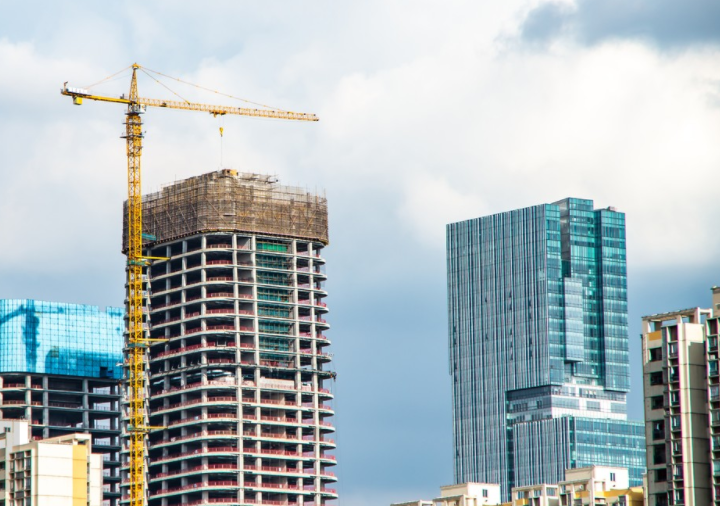
 As people's awareness of environmental protection and energy conservation grows, the construction industry is paying increasing attention to building energy consumption. Among the key factors determining energy consumption are insulation materials and the sealing performance of doors and windows. The air tightness tester has become an important tool for detecting whether equipment has leakage problems and for quickly and accurately identifying the location and size of leaks.
In the construction industry, air tightness leak detectors have the following applications:
1. Building exterior walls: The air tightness leak detector can be used to test the sealing performance of building exterior walls, ensuring that the air and water penetration between the exterior walls and indoor spaces meets building design and code requirements. This is very important for improving building energy efficiency, waterproofing performance, and indoor air quality.
2. Windows and doors: An air tightness leak detector can be used to test the sealing performance of windows and doors, ensuring they effectively prevent air and water infiltration when closed. This helps improve building energy efficiency, reduce energy waste, and provide a more comfortable indoor environment.
3. Roofs and floors: Air tightness testers can be used to test the sealing performance of roofs and floors to ensure they effectively prevent air and water infiltration. This helps prevent roof leaks and moisture problems beneath floors, protecting the integrity and durability of the building structure.
4. Pipes and ducts: Air tightness testers can be used to test the sealing performance of pipes and ducts in buildings to ensure they do not leak or allow air escape. This helps improve building energy efficiency, reduce energy waste, and ensure indoor air quality.
5. Assessing the indoor environment of buildings: Air tightness testers can be used to test the air tightness of buildings to better evaluate ventilation conditions and air quality. By testing with different types of pressure differentials, any hidden issues that bring outdoor air into the interior can be quickly detected.
By using air tightness testers, the construction industry can ensure that building sealing performance meets requirements, improve building energy efficiency, waterproofing performance and indoor environmental quality, while reducing energy waste and maintenance costs.
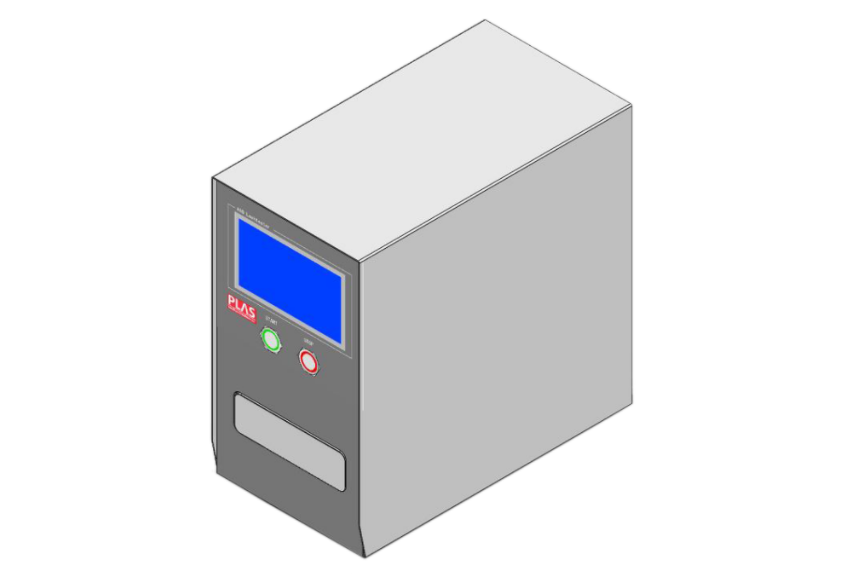
For construction projects, maintaining appropriate air tightness and energy costs while ensuring strict and accurate compliance with national standards is very important. Therefore, using air tightness testing methods has become a very convenient and efficient diagnostic tool in the construction industry. It can not only help evaluate and improve indoor environmental conditions, but also effectively improve product manufacturing efficiency and reduce production losses.

WeChat for technical support

PLUS Douyin