As people's requirements for product performance and quality continue to rise,Air tightnessTesting is receiving increasingly widespread attention. AndAir tightness testing equipmentAs an important tool for quality control, its usage techniques and precautions need to be understood and mastered.

Here are some tips for using air tightness testing equipment:
1. Understand the equipment: Familiarize yourself with the operating principles, functions, and features of the air tightness tester you are using. Read the equipment operation manual and related documentation to master the methods of use and precautions for the equipment.
2. Preparation: Before testing, ensure the surface of the object under test is clean and remove any impurities and contaminants that may affect the test results.
3. Set test parameters: According to the characteristics and requirements of the object under test, set appropriate test parameters, such as test pressure, test time, etc. Ensure the accuracy and consistency of the parameters.
4. Connect the test equipment: Connect the object under test to the test equipment securely to ensure a tight connection and avoid leakage.
5. Stable test environment: Ensure the test environment is stable and suitable, avoiding the impact of temperature, humidity and other factors on test results.
6. Conduct the test: Follow the equipment operation manual to start the test program, and observe pressure changes and leakage conditions during the test. Keep the test process stable and continuous, and avoid the influence of human factors on test results.
7. Data Recording and Analysis: Record test results and relevant parameters, and perform data analysis and comparison to determine whether the sealing performance of the object under test meets the requirements.
8. Maintenance: Perform regular maintenance on the testing equipment to keep it in good condition and ensure accuracy.
9. Safety precautions: When using air tightness testing equipment, pay attention to operational safety to avoid equipment damage or personal injury caused by excessive pressure.
10. Training and operating procedures: Train operators to master the correct methods and precautions, and strictly follow the operating procedures.
These techniques can help improve the accuracy and reliability of testing, ensuring the accuracy and reliability of test results.
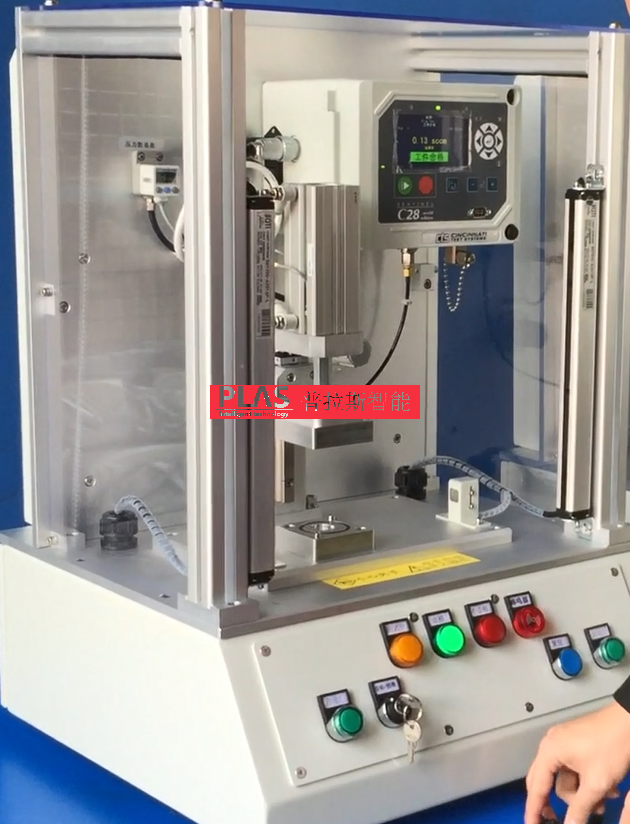
When using air tightness testing equipment, the following precautions should be observed:
1. Safe operation: When operating air tightness testing equipment, ensure personnel safety. Avoid putting fingers or other objects into the testing device to prevent accidental injury. Follow the equipment's safe operating procedures to avoid equipment damage or personal injury caused by operating errors.
2. Correct connection: Ensure the object under test is tightly connected to the test equipment to avoid leakage. Check the connecting pipes, joints and other components to ensure their integrity and sealing performance.
3. Clean the object surface: Before conducting an air tightness test, make sure the surface of the object under test is clean and remove any impurities and contaminants that may affect the test results. Use appropriate cleaning agents and tools for cleaning.
4. Stabilize the test environment: The stability of the test environment has a significant impact on test results. Ensure that environmental factors such as temperature and humidity are stable and appropriate to avoid their influence on test results.
5. Set appropriate test parameters: according to the characteristics and requirements of the object under test, set appropriate test parameters such as test pressure and test time. Ensure the accuracy and consistency of the parameters.
6. Accurately record and analyze data: During the test, accurately record the test results and related parameters. Perform data analysis and comparison to determine whether the sealing performance of the object under test meets the requirements.
7. Regular maintenance: Perform regular maintenance on the testing equipment to keep it in good condition and ensure accuracy. This includes cleaning the equipment, replacing damaged parts, and calibrating the equipment.
8. Training and operating procedures: Train operators to master the correct operating methods and precautions, and strictly follow the operating procedures. Avoid operating errors and improper use of the equipment.
9. Calibration and verification: Regularly calibrate and verify the test equipment to ensure the accuracy and reliability of test results. Standard gases or other calibration devices can be used to calibrate the equipment.
10. Note equipment limitations: Understand the equipment's usage limitations and scope of application. Avoid exceeding the equipment's maximum test range and capability.
The above is the usage ofAir tightness testing equipmentSome precautions to follow during testing. Following these precautions can help ensure the accuracy and reliability of the test, and guarantee the accuracy and reliability of the test results.

WeChat for technical support

PLUS Douyin