After the global economy has been ravaged by the COVID-19 pandemic, industries around the world are now gradually optimizing their resources and integrating their strengths to capture markets and refine their market share. For manufacturing enterprises to succeed with their products in the newly divided markets, they need higher quality assurance and safer, more reliable products. Therefore, in the manufacturing industry, products or equipment components that require waterproofing and leak prevention need air tightness testers to provide support, ensuring quality control and monitoring.
Air tightness testing is an important means of verifying whether pressure vessels and sealed products meet safety standards. Through air tightness testing, it can be ensured that products meet specific sealing standards during the design and manufacturing process.
The principle of air tightness testing is mainly based on changes in gas pressure or flow rate to detect whether a sealed container or component has a leak. By using positive or negative pressure, gas is injected into or drawn out of the product under test, causing the air pressure within the sealed space to change. The leak data is then obtained and analyzed to determine whether the product under test meets market requirements.
Air leakage detectorIts advantages lie in high-precision testing, capable of detecting extremely small leaks to ensure product sealing performance. Tests are completed quickly, saving time and improving production efficiency. It is easy to operate with a user-friendly interface, making it simple to set test parameters and execute tests. It enables real-time observation of data changes and rapid locating of leak points. It is suitable for testing in a wide range of industries and product types.
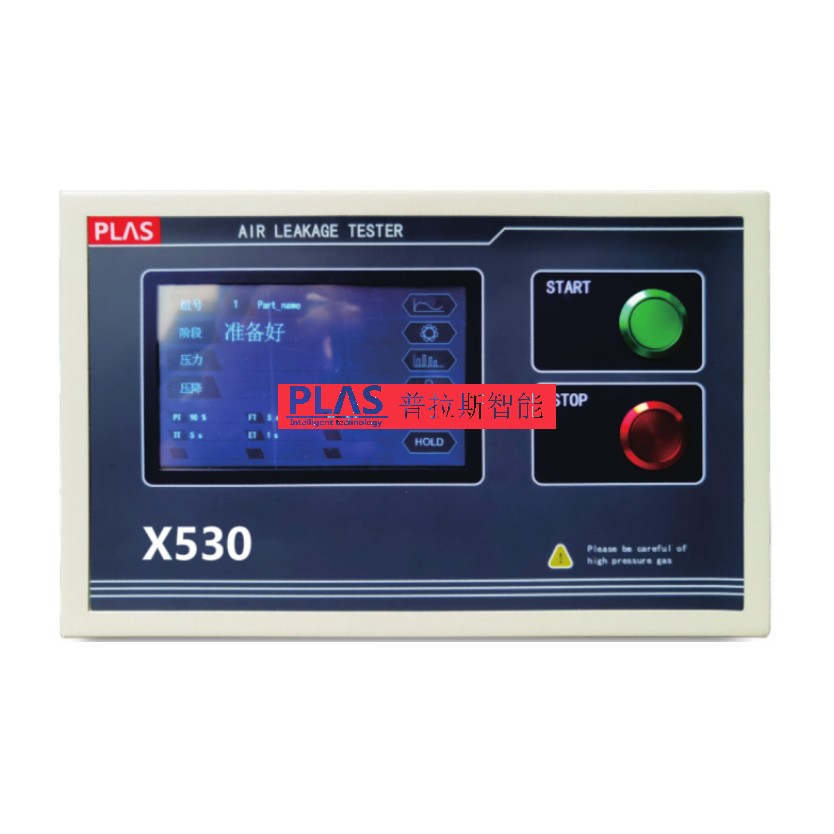
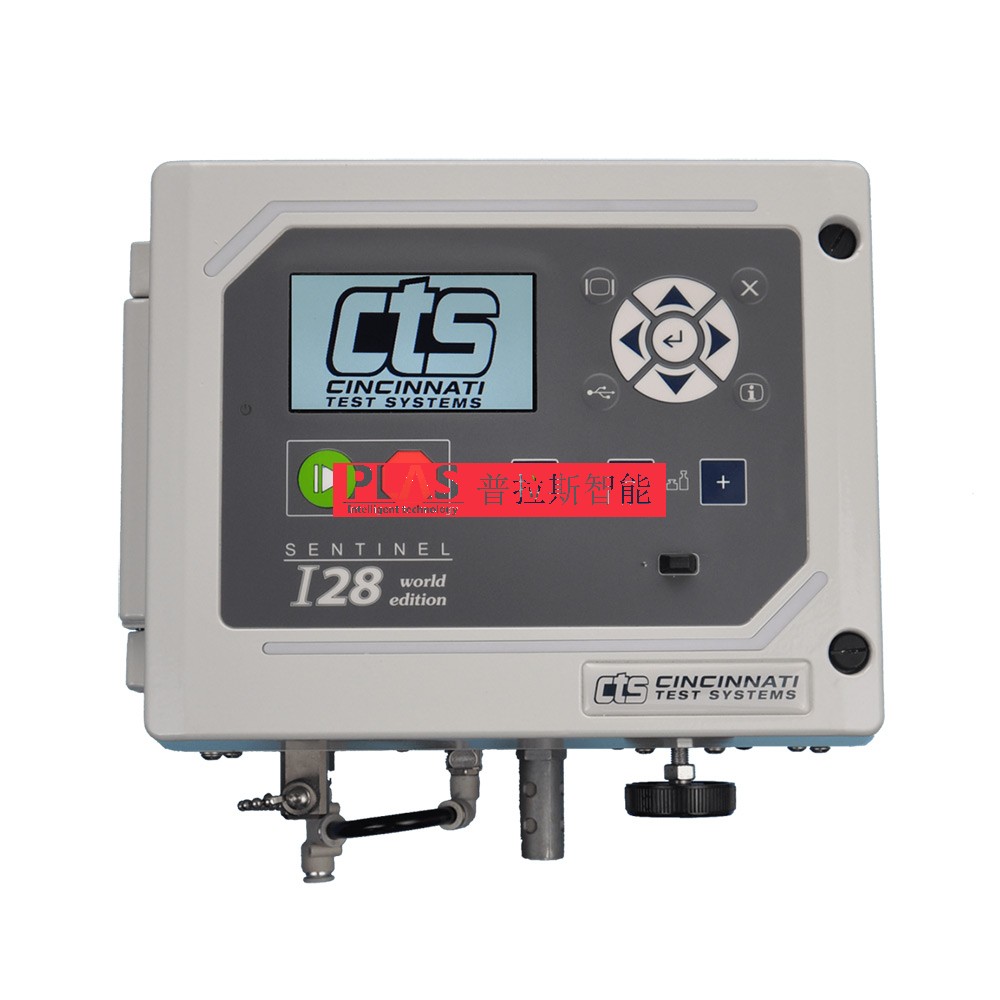
Air leak detectors are widely used in many fields and industries and are practical sealing test instruments. They are commonly used in the automotive industry to test the sealing performance of auto parts such as engines, gearboxes, and braking systems. In medical devices, they ensure the sealing performance and sterility of heart-lung machines, surgical instruments, and other equipment. In consumer electronics, they test the waterproof performance of devices such as smartphones, smartwatches, and earphones. In home appliances, they test the sealing components of refrigerators, washing machines, air conditioners, and other appliances. In aerospace, they test the sealing performance of key components such as aircraft fuel systems and oxygen systems. In oil and gas, they ensure the sealing performance of equipment such as pipelines and valves to prevent leaks. In the food and beverage industry, they test packaging sealing to ensure product quality and safety. In industrial manufacturing, they test the sealing performance of products in mechanical manufacturing and other industrial fields.
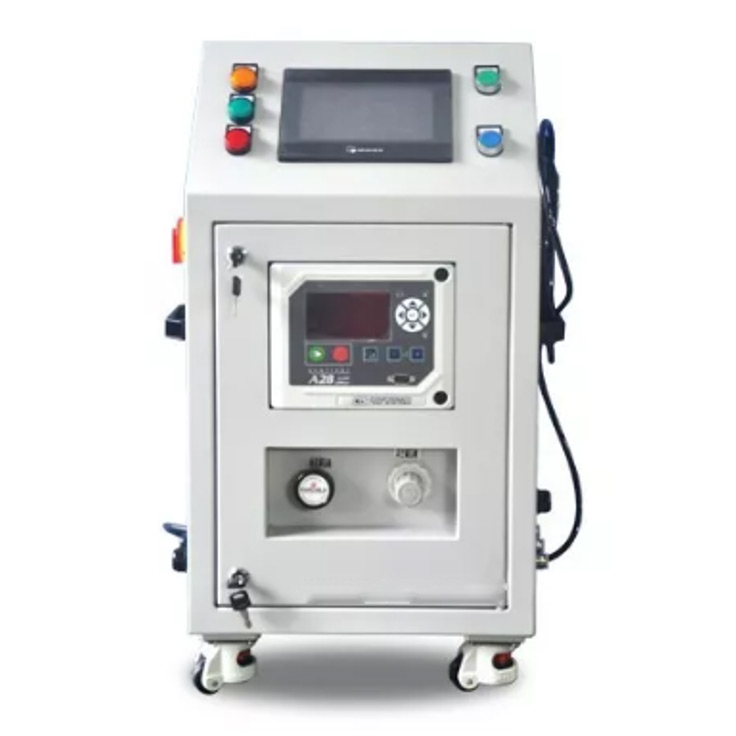
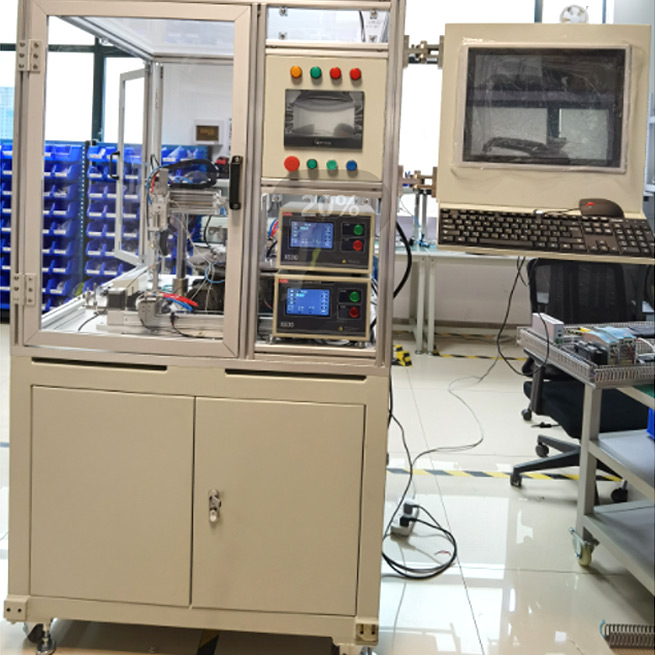

WeChat for technical support

PLUS Douyin