An in-vehicle GPS, fully known as an in-vehicle Global Positioning System, is a navigation device that uses satellite signals to determine a vehicle's precise location on Earth. By receiving signals transmitted by GPS satellites in orbit around the Earth, the in-vehicle GPS system calculates the vehicle's latitude and longitude coordinates, thereby providing location information and navigation guidance. The in-vehicle GPS system is an important component of modern automotive technology, providing drivers with convenient navigation services, improving the driving experience, and helping to enhance driving safety.
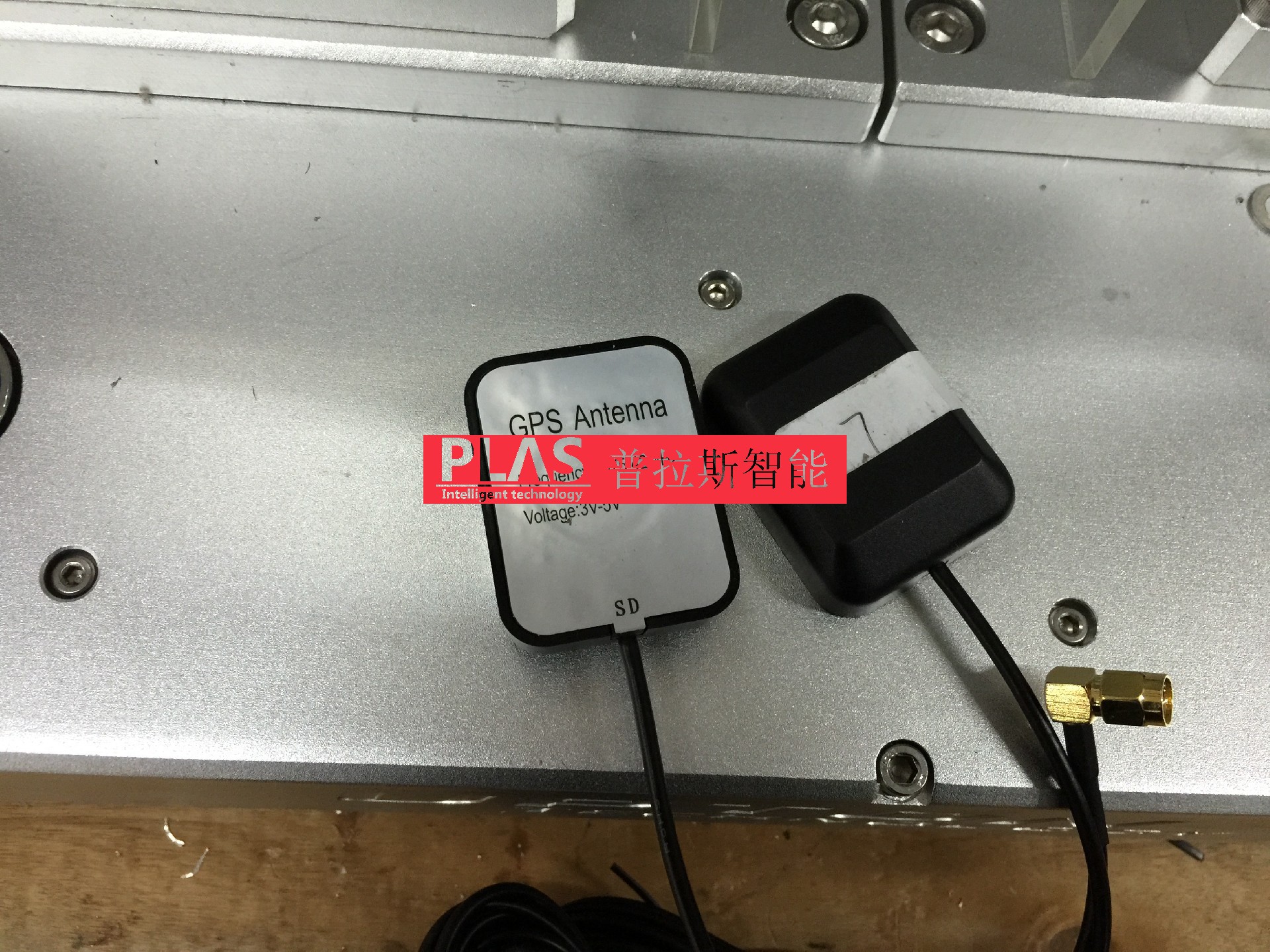
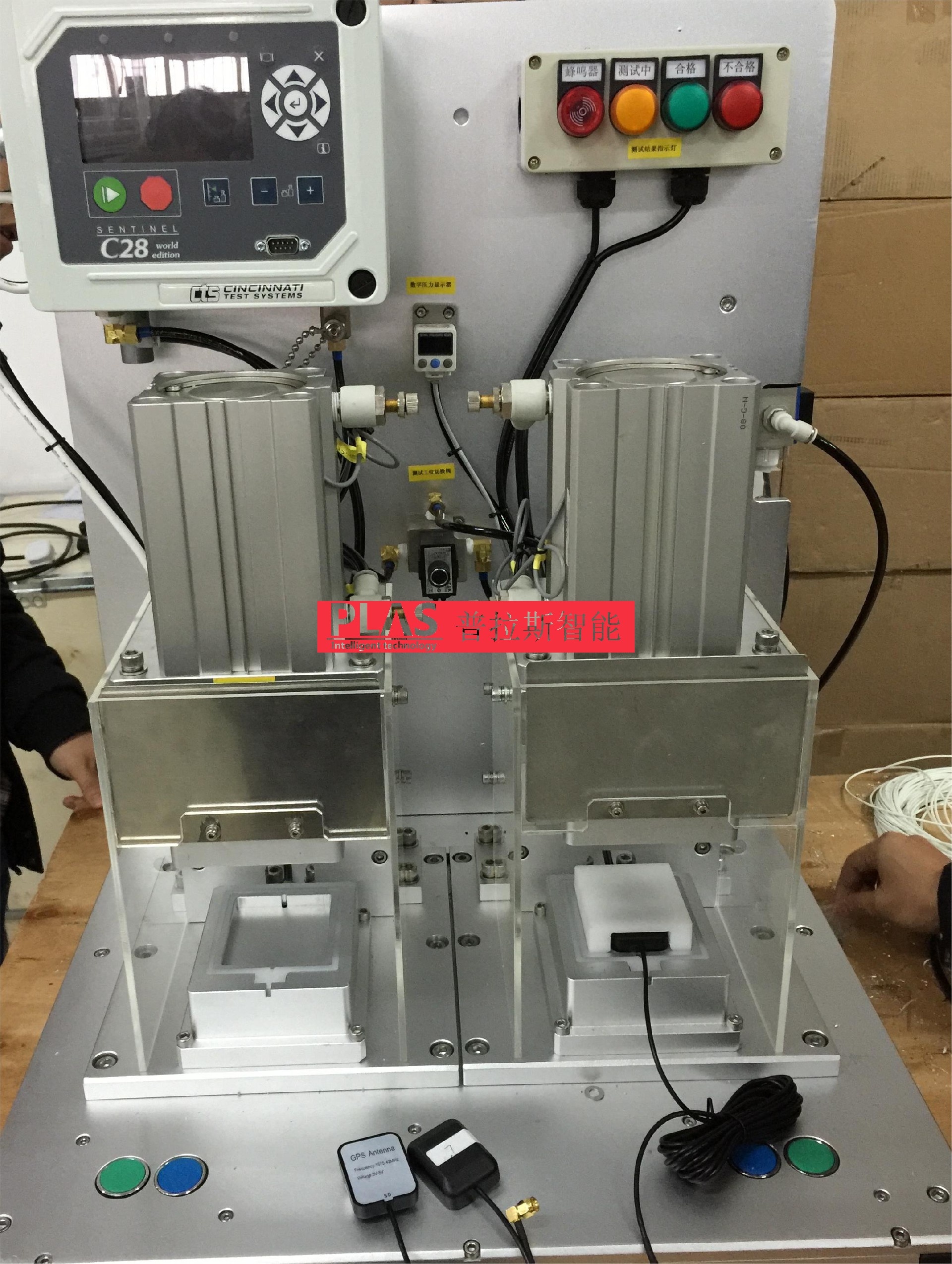
Therefore, sealing tests for in-vehicle GPS are crucial for the following reasons:
1. Prevent moisture intrusion: Vehicle GPS systems are typically installed inside the vehicle and may be exposed to various environmental conditions, including high temperatures, humidity, and rain. Sealing tests ensure the device can resist moisture intrusion and prevent damage to internal circuits and components.
2. Improved durability: Good sealing performance can extend the service life of the GPS system and reduce wear caused by environmental factors.
3. Ensure equipment performance: Air tightness testing prevents the intrusion of moisture and other contaminants, which could affect the GPS receiver's signal reception capability, thereby reducing navigation accuracy and system performance.
4. Compliance with safety standards: Many countries and regions have strict safety and performance standards for in-vehicle electronic products, and sealing tests are an important step in ensuring that products meet these standards.
5. Protect data security: Modern in-vehicle GPS systems may contain sensitive data, such as driving routes and location information. Sealing tests help protect such data from damage.
6. Maintaining user experience: If the GPS system is damaged due to poor sealing, users may encounter navigation errors or other issues during use, affecting the user experience.
7. Reduce repair costs: By conducting sealing tests during the production process, problems can be identified and repaired early, avoiding high repair costs caused by equipment failures.
8. Improve product reliability: Sealing tests help ensure that GPS systems can provide reliable navigation services under various driving conditions.
9. Compliance with regulatory requirements: Certain regulations may require in-vehicle devices to have a specific waterproof and dustproof rating, and sealing tests are key to proving product compliance.
10. Support market competitiveness: GPS systems with good sealing performance are more attractive in the market, enhancing brand image and market competitiveness.
Therefore, conducting a sealing test on vehicle-mounted GPS is a critical step to ensure product quality, performance, and safety. Air tightness tester automated equipment

WeChat for technical support

PLUS Douyin