As industrialization advances, pressure vessels are widely used in many industrial fields. However, due to harsh operating environments and high-intensity requirements, potential safety hazards may exist. Conducting air tightness testing during production is therefore particularly important. We will introduce how to effectively use
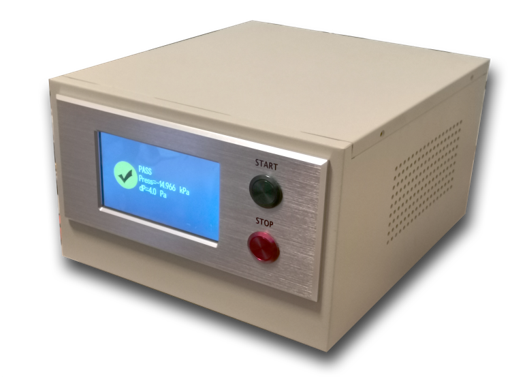
Air tightness leak detectors improve the safety of pressure vessels. An air tightness leak detector is a testing device specifically designed to detect leaks in various equipment and piping systems. It operates based on monitoring changes in compressed air flow and pressure, and is capable of accurately identifying leaks as small as micron level.
It is often used in various fields such as automotive, aviation, and manufacturing.
When using an air tightness tester for pressure vessel testing, the first step is to ensure that the object under test has undergone pre-treatment such as cleaning and removal of foreign matter. The object under test is then connected to the test system, and a certain amount of compressed air is supplied to it through the system.
To improve the safety of pressure vessels using an air tightness tester, follow these steps:
1. Conduct regular air tightness testing: Develop a regular air tightness testing plan in accordance with relevant regulations and standards. Regularly performing air tightness testing on pressure vessels allows for the timely detection of leaks and helps avoid potential safety hazards.
2. Preparation: Before conducting an air tightness test, the pressure vessel needs to be prepared. First, clean the surface of the pressure vessel to ensure it is free of impurities and dirt. Second, inspect the seals and connection points of the pressure vessel to ensure they are intact.
3. Connect the air tightness leak detector: Connect the probe of the air tightness leak detector to the test port of the pressure vessel, ensuring a tight connection.
4. Set test parameters: According to the characteristics and requirements of the pressure vessel, set appropriate test parameters, such as test pressure, test time, etc.
5. Perform the air tightness test: Start the air leak detector and carry out the test according to the set parameters. Observe the readings on the instrument; if there is any leakage, a corresponding alarm or indication will be triggered.
6. Analyze the test results: Based on the instrument's test results, analyze the location and cause of the leak. If a leak is found, repair measures must be taken promptly to ensure the safety of the pressure vessel.
7. Recording and reporting: Record the air tightness test results and report them to the relevant departments in a timely manner. The records can serve as future reference, and the reports can be used for safety management and supervision.
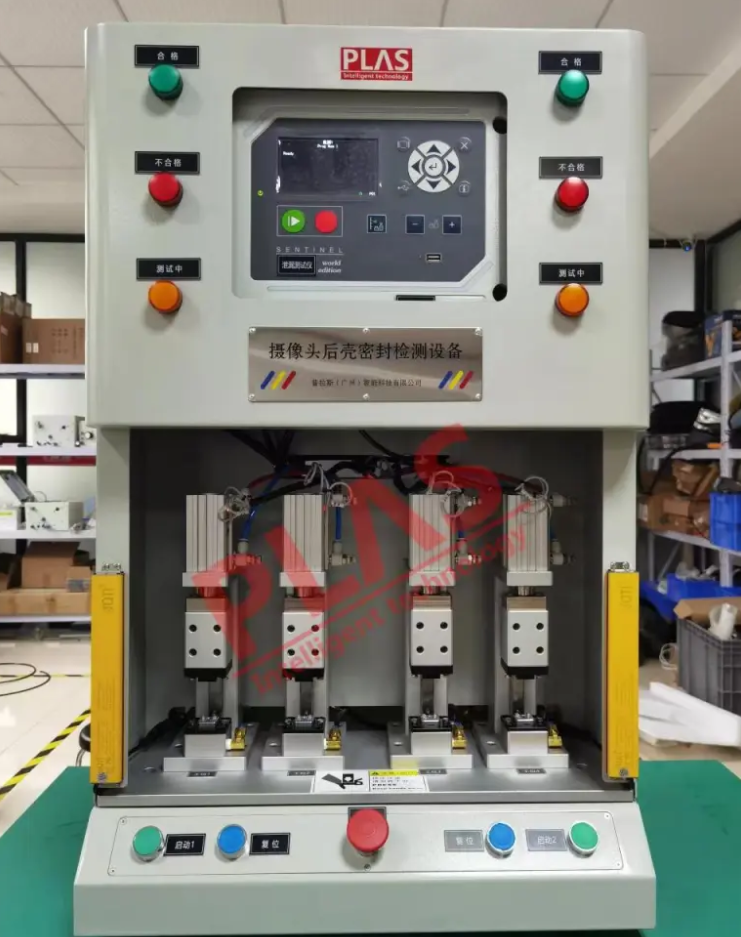
Through the above steps, the air tightness leak detector can be effectively used to improve the safety of pressure vessels. Regular air tightness testing can promptly identify and resolve leakage issues, ensuring the normal operation and safe use of pressure vessels.

WeChat for technical support

PLUS Douyin