I.Waterproof test equipmenttype of
1. Static water pressure test equipment: This equipment can be used to measure the waterproof performance of an object in a static state. During the test, the object is placed under a certain water pressure, with a maximum water pressure of up to several hundred megapascals, to detect whether the object has good waterproof performance in a static state.
2. Flexible vibration test equipment: The flexible vibration test equipment is mainly used to test the waterproof performance of objects in a flexible vibration environment. The object is placed on a flexible vibration table and subjected to continuously changing vibration forces to detect whether the object has good waterproof performance in a flexible vibration environment.
3. Hydraulic vibration test equipment: Hydraulic vibration test equipment is mainly used to test the waterproof performance of objects in a hydraulic vibration environment. It applies hydraulic vibration to the object to determine whether the object has good waterproof performance in a hydraulic vibration environment.
II. Features of Waterproof Test Equipment
1. Speed: Through intelligent control, the testing speed is improved, greatly shortening test time and increasing work efficiency.
2. Accuracy: High-precision testing equipment is used to accurately detect waterproof performance, ensuring the accuracy of test results.
3. Reliability: The equipment has undergone strict quality inspection to ensure its reliability. It is built for long-term use and ensures the reliability of test results.
4. Automation: Fully automated operation enables automation of the testing process, improving work efficiency and test accuracy.
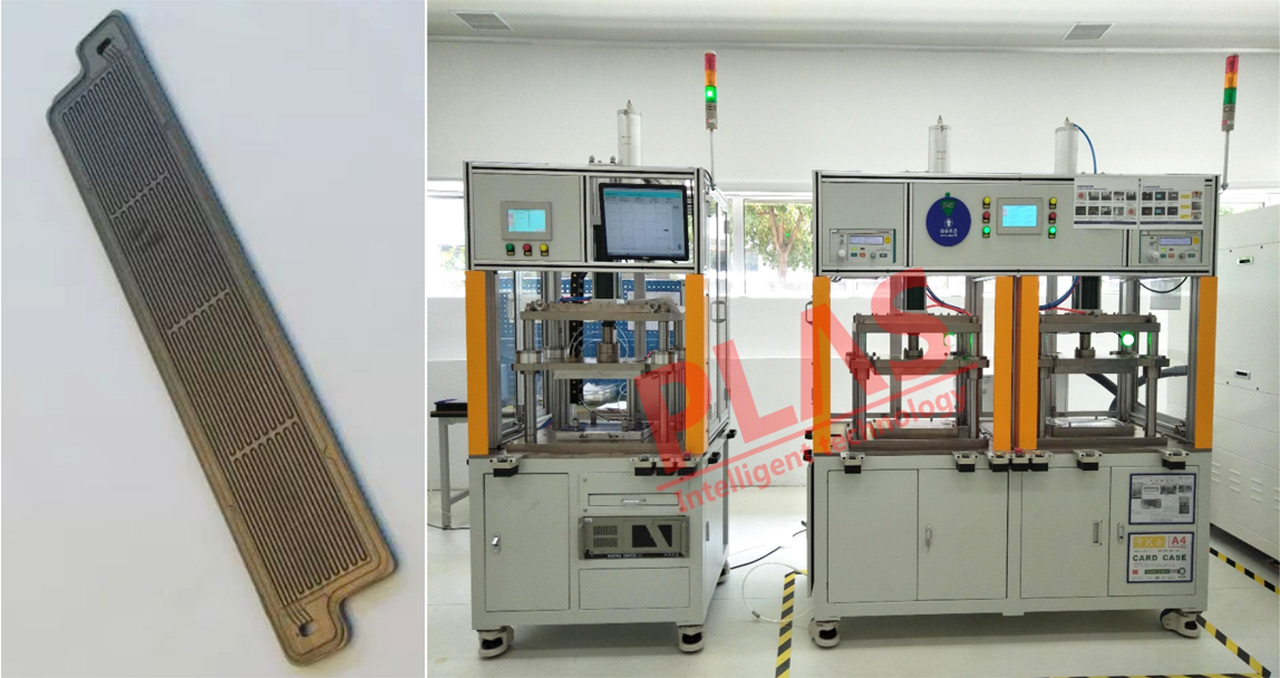
When using waterproof test equipment, the following safety measures should be observed:
1. Carefully read the operation manual: Before using the equipment, be sure to read the operation manual in detail and follow the instructions in the manual.
2. Personal protective measures: Wear appropriate personal protective equipment, such as gloves, goggles, and protective clothing, to ensure personal safety.
3. Power supply safety: Ensure the equipment's power wiring is correct, and avoid damaged power cords or poor plug contact, so as to prevent hazards such as electric shock or fire.
4. Water source safety: When using waterproof test equipment, a water supply connection is required. Ensure the water quality and supply pressure are stable, and avoid using water sources that contain corrosive or harmful substances.
5. Equipment stability: The equipment should be placed on a stable workbench to ensure its stability during testing and prevent injury caused by the equipment tipping over or shaking.
6. Protective measures: When conducting high-pressure water flow testing, appropriate protective measures should be taken, such as wearing protective goggles and gloves, to prevent injuries caused by water splashing.
7. Emergency handling: During testing, if an emergency such as equipment failure or electrical leakage occurs, testing should be stopped immediately, and appropriate emergency measures should be taken, such as cutting off the power supply and shutting off the water source.
As for equipment maintenance, here are some common maintenance measures:
1. Regular cleaning: According to the equipment requirements, regularly clean the housing, sensors and other components to maintain proper operation of the equipment.
2. Inspect and replace parts: Regularly inspect equipment parts such as sealing rings and wiring, and replace them promptly if they are damaged or aged.
3. Calibration equipment: Calibrate the equipment regularly to ensure the accuracy of test results.
4. Maintenance and Lubrication: Lubricate the moving parts of the equipment regularly according to the equipment requirements to maintain normal operation.
5. Storage and Protection: When not in use, the equipment should be stored properly to avoid moisture, heat, or other damage.
When maintaining the equipment, strictly follow the equipment maintenance manual and ensure that maintenance personnel have the relevant professional knowledge and skills. If necessary, contact the equipment supplier or manufacturer for maintenance and repair.

WeChat for technical support

PLUS Douyin