Friends in manufacturing, have you ever encountered this problem—your finished products have tiny leaks or air leakage issues, but they are difficult to detect promptly and accurately, leading to troublesome consequences such as order cancellations, rework, and accidents. To solve this quality issue, you need a professional air tightness tester, such as the leak detector from PLUS (Guangzhou) Intelligent Technology Co., Ltd., which can solve your product leakage problems.
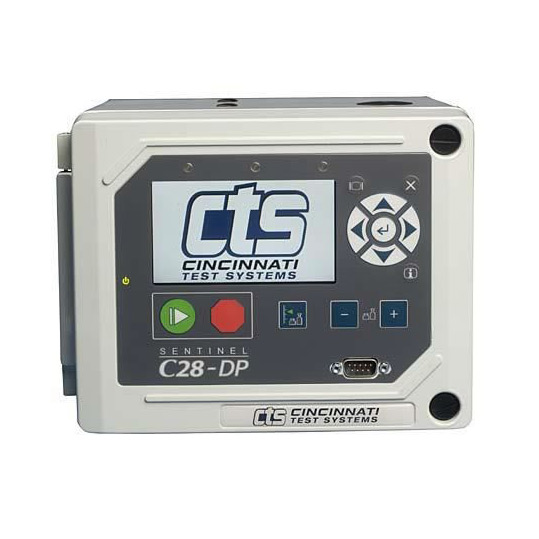
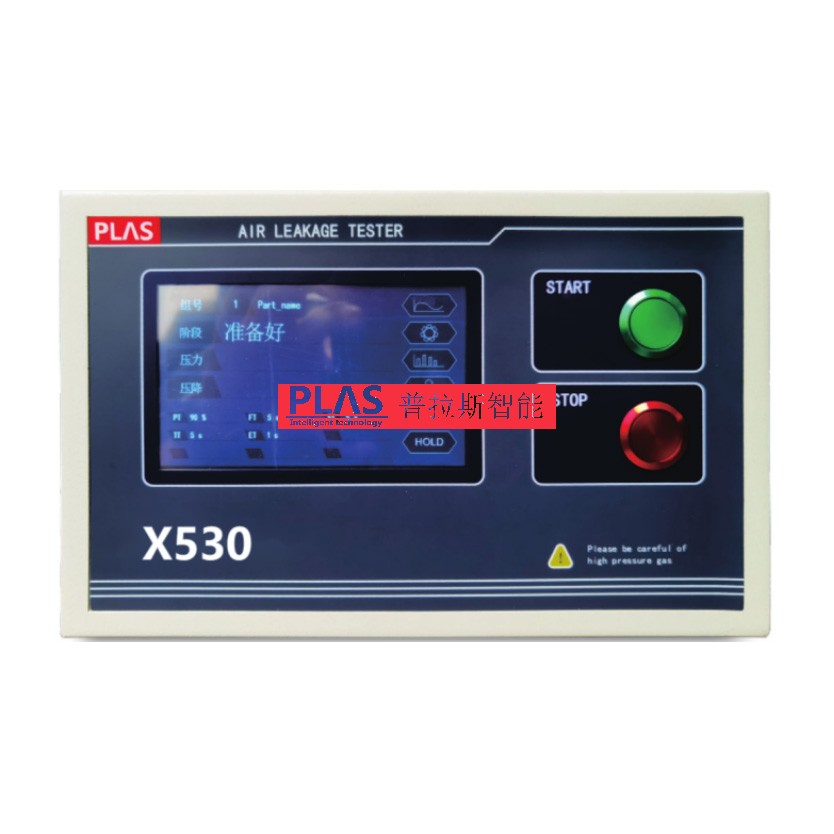
So, what exactly is an air tightness tester? How do you choose the right air tightness testing equipment for your needs? Let's take a closer look.
An air tightness tester is professional equipment used to check whether a product's sealing performance meets the standard. It injects compressed air or another gas into the product under test, then analyzes changes in gas flow to determine whether the product has a leakage problem. Maintaining good air tightness is very important for ensuring product quality, extending service life, and increasing market competitiveness.
Therefore, when manufacturing enterprises choose an air tightness tester, they need to consider multiple factors to ensure that the selected equipment can meet their specific testing needs and production standards. The following are some key points that enterprises can use to select suitable sealing test equipment:
1. Understand the testing requirements: First, the company needs to clarify the specific sealing performance requirements of the product, including the required testing pressure range, accuracy level, and testing speed.
2. Accuracy matching: The air tightness tester selected should have sufficient accuracy to detect the minimum leakage amount allowed by the product design.
3. Consider the product type: different products may require different types of air tightness testing methods. For example, some products may require positive pressure testing, while others may require negative pressure or differential pressure testing.
4. Technical Parameters: Evaluate the technical parameters of the air tightness tester, such as resolution, stability, repeatability, and full-scale error, to ensure they meet the testing requirements.
5. Level of automation: If the production line requires high efficiency, consider choosing an air tightness tester with automation features to reduce manual intervention and increase testing speed.
6. Budget and cost-effectiveness: When selecting equipment, consider its cost-effectiveness to ensure the chosen equipment stays within budget and delivers a good return on investment.
7. Brand and after-sales service: Choose a well-known, reputable brand, and ensure the supplier can provide timely and effective after-sales service and technical support.
8. Customized services: For enterprises with special testing needs, choose an air tightness tester supplier that can provide customized solutions.
9. Equipment compatibility: Ensure the selected equipment is compatible with the existing production line and testing process for seamless integration.
10. Regulations and standards: Consider the industry standards and regulatory requirements that the product needs to meet, and select an air tightness tester that can ensure the product complies with these requirements.
By comprehensively considering the above factors, manufacturing enterprises can select an air tightness tester that suits their specific needs, thereby ensuring product quality, improving production efficiency, and maintaining market competitiveness.

WeChat for technical support

PLUS Douyin