As market competition intensifies and consumers demand higher quality, companies are constantly pursuing perfection in product craftsmanship. However, during the manufacturing process, air tightness issues may arise, leading to higher scrap rates or poor performance, which requiresAir tightness leak detectorHere it is.
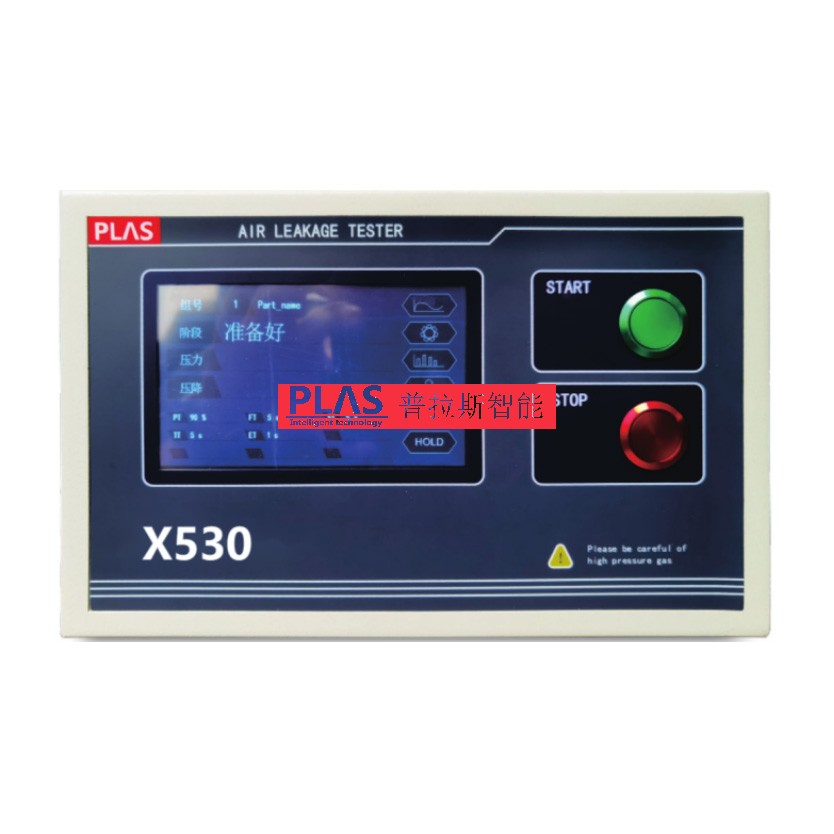
Basic principles: differential pressure/vacuum leak detection, negative pressure leak testing, and electronic flow meters.
1. Differential pressure/vacuum leak testing method
Measurement is carried out by suction or exhaust. It offers advantages such as high sensitivity, good reliability, and fast test time; however, it can only test high-precision components, and its sensitivity is subject to interference from the surrounding environment.
2. Negative pressure leak method
By generating negative pressure within a volume at a constant temperature, the filling and leak testing of the sample under test are achieved. The operation is simple and highly practical, and it can be widely applied to pipeline components and assemblies.
3. Electronic flow meter
Suitable for flow monitoring of liquids, oxygen, or other inert substances.
During production, the air tightness performance of a product is an important quality indicator. If a product has air tightness issues, it may lead to functional failure, safety hazards, and other quality problems. Therefore, to ensure product quality, the production line needs to carry out air tightness testing.
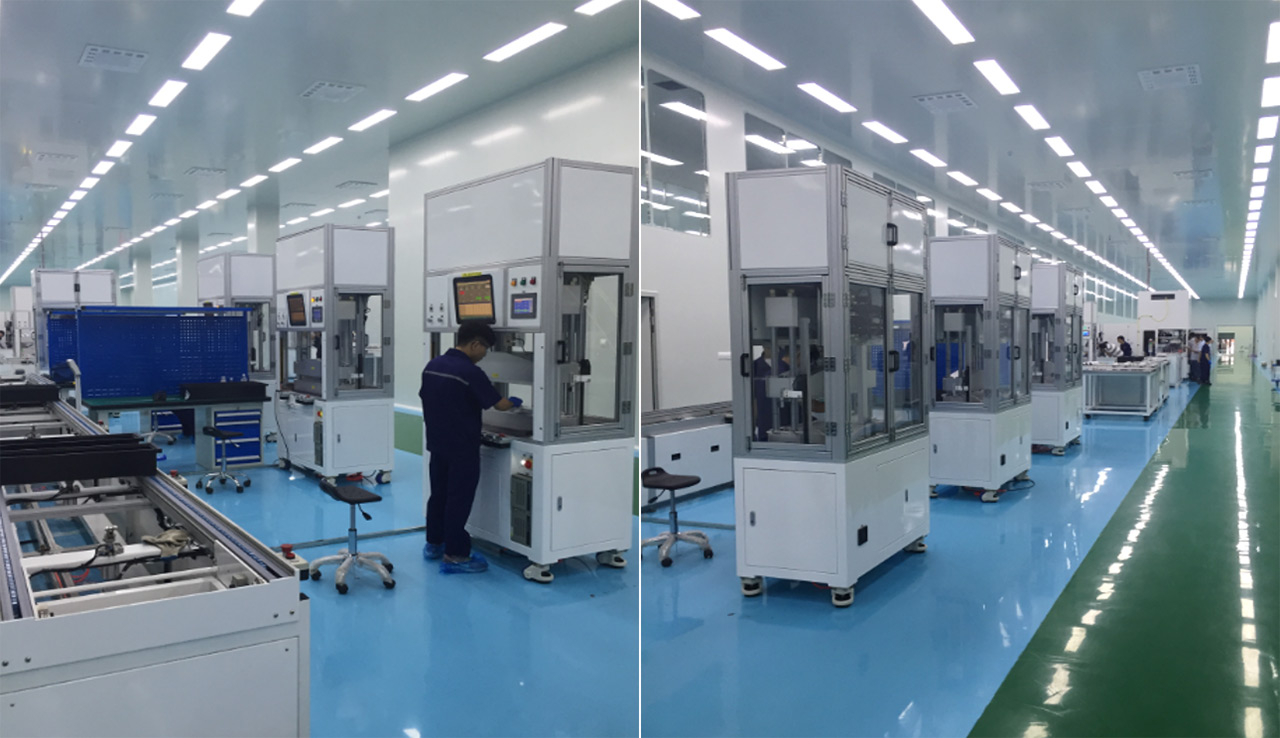
The air tightness tester can detect the air tightness performance of products, promptly identify air tightness issues, and help the production line make adjustments and improvements. It adopts high-precision testing technology to quickly and accurately detect the air tightness performance of products. By using the air tightness tester, the production line can achieve online inspection of products, promptly identify issues and take measures, reduce the generation of nonconforming products, and improve product quality and reliability.

The application of air tightness testers not only enhances the quality control capability of production lines, but also helps enterprises improve production efficiency and reduce costs. By promptly identifying and resolving product air tightness issues, it is possible to reduce product rework and return/exchange rates, increase product qualification rates, and lower defect and scrap rates on the production line, thereby improving production efficiency and reducing production costs.
Here are some specific functions and advantages:
1. Timely problem detection: The air tightness tester can quickly and accurately test the air tightness performance of products, promptly identifying air tightness issues such as leaks and permeation. This helps prevent quality problems such as functional failure and safety hazards during product use.
2. Improve quality control capabilities: The air tightness tester features high-precision, high-sensitivity testing technology, enabling comprehensive air tightness performance testing of products. By using the air tightness tester, the production line can achieve inline testing of products, ensuring that air tightness performance meets requirements during production and improving quality control capabilities.
3. Reduce the generation of nonconforming products: By promptly identifying and resolving product air tightness issues, the generation of nonconforming products can be reduced. This helps lower product rework and return/exchange rates, improve product qualification rates, and reduce defect rates and scrap rates on the production line, thereby improving production efficiency and reducing costs.
4. Improve production processes: The air tightness tester can provide detailed test data and analysis results, helping the production line understand the air tightness performance of products. By analyzing this data and these results, the production line can adjust and improve production processes in a timely manner, enhancing the air tightness performance of products.
In summary,Air tightness testerIts application on the production line safeguards product quality, helping companies improve product quality and reliability, increase production efficiency, and reduce costs. It is an important quality control tool and plays a significant role in ensuring product quality.

WeChat for technical support

PLUS Douyin