Viewing the Competitive Landscape of Military Robot Protection Technology Through Unitree
As quadruped and wheeled-legged robots accelerate their deployment in industrial inspection, emergency rescue, military reconnaissance and other scenarios, product reliability is becoming a core indicator that distinguishes manufacturers' technical strength. Among the many reliability dimensions,Sealing protection capabilityIt is a key technical threshold that determines whether a robot can operate stably in extreme environments such as rain, snow, dust, mud, and high or low temperatures. From consumer-grade to industrial-grade, and then to military-grade, behind every leap in level is a comprehensive upgrade of sealing processes and testing systems.
As a global leader in the quadruped robot sector, Unitree Robotics offers products ranging from the consumer-grade Go series to the industrial-grade B series, with IP ratings progressively upgraded from IP54 to IP68, fully demonstrating the evolution path of robot sealing technology. This article takes Unitree Robotics as an entry point to provide an in-depth analysis of the key technical aspects of robot sealing processes, systematically explain the industrial value of sealing tests, and compare the market landscape and protection performance parameters of domestic and international military robot brands, offering a reference for industry practitioners.
From consumer-grade to military-grade, the comprehensive upgrade of sealing processes is the core support for the leap in robots' environmental adaptability.
Unitree Technology has built a tiered IP rating system for different application scenarios, covering the full range of needs from consumer entertainment to extreme industrial environments:
| Product Series | IP rating | Typical Application Scenarios | Operating temperature range |
|---|---|---|---|
| B2 Industrial-Grade Quadruped Robot | IP67/IP68 | Power line inspection, mining exploration, emergency rescue | -40℃ ~ 55℃ |
| B2-W Wheeled-Legged Robot | IP67 | High-speed inspection, logistics transportation, border patrol | -40℃ ~ 55℃ |
| A2 Medium-Sized Quadruped Robot | IP56~IP67 | Industrial park inspection, equipment room operations and maintenance | -20℃ ~ 60℃ |
| As2-W Wheel-Legged Robot | IP54 | Urban security, outdoor delivery | -10℃ ~ 45℃ |
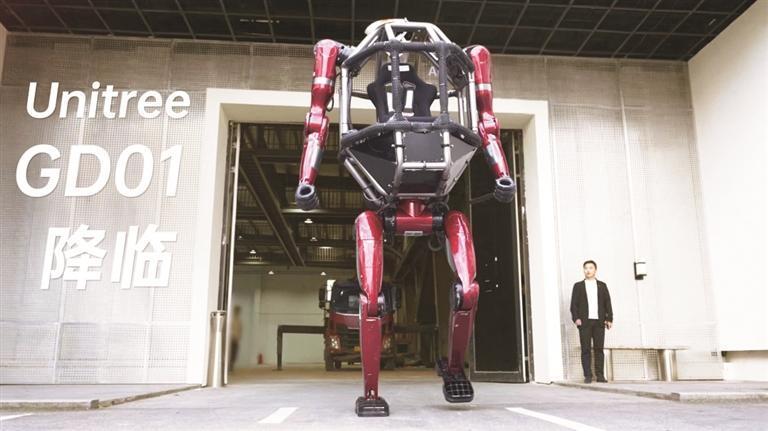
The 12 joints are enclosed in sealed cavities with dual sealing provided by double-lip oil seals plus dust rings, achieving IP67-rated protection.
Unitree robot's sealing capability stems from the synergy of multi-dimensional structural design and material processes, primarily reflected in the following key aspects:
The 12 joints of a quadruped robot are the weak points in its protection. Unitree adopts an integrated joint sealing structure, encapsulating the motor, reducer, encoder, and driver entirely within a sealed cavity, achieving IP67-rated protection through custom seals and potting technology. At the joint output shaft, a dual-lip oil seal plus dust ring double sealing structure is used, ensuring rotational flexibility while blocking the intrusion paths of sand, dust, and moisture.
The main control compartment of the unit adopts a design concept of "fully sealed main chamber + independently isolated interfaces." The core computing module and power module are placed inside the main sealed chamber, while external interfaces are routed through independent sealed isolation compartments, preventing interface plugging and unplugging from affecting the sealing integrity of the main chamber. The battery compartment also features an IP67-rated sealed design, supporting hot-swap operation without compromising the overall IP rating.
The mating surfaces of the enclosure combine aviation-grade sealing strips with dispensing technology, with materials selected differentially according to the stress and deformation characteristics of each part: foamed silicone gaskets are used for static mating surfaces, fluororubber O-rings for dynamic moving parts, and thread sealant for threaded connections. The main body of the enclosure is made of aviation-grade aluminum alloy and carbon fiber composite materials, with corrosion resistance enhanced through surface anodizing and coating treatments.
The external interface adopts a 2+8 waterproof port design, with power and signal integrated into a single connector and equipped with a self-locking waterproof connector. The charging interface uses a contact-type charging pad solution, avoiding the corrosion risk of exposed metal contacts. The charging pad itself has an operating temperature range of -35℃ to +75℃, with an extended temperature down to -40℃.
Taking the B2 series as an example, its IP68 rating means it can be submerged at a specified water depth for extended periods while being completely dust-tight. Combined with an operating temperature range of -40°C to 55°C, this model can operate continuously in a variety of extreme environments, including snowy cold regions, desert gobi, heavy rain and mud, and coastal salt spray. According to publicly available information, at the same volume and weight, the B2 employs a three-layer synergistic mechanism—structural clearance, elastic energy absorption, and slip-rotation peak shaving—to reduce impact peaks by 30%-50% and lower the failure rate of joints and electronic modules by more than 30%, greatly improving sealing reliability under complex working conditions.
The effectiveness of a sealing design must be verified through standardized testing because:
The robotics industry currently mainly adopts the IP rating system, while the military field additionally imposes MIL-STD and other military standard requirements:
| IP rating | Dust protection requirements | Waterproof test conditions | Applicable standards | Typical Application Scenarios |
|---|---|---|---|---|
| IP54 | Dust protection (cannot be fully prevented, but dust levels do not affect normal operation) | Low-pressure water jet spray from all directions, flow rate 10L/min, test duration 3 minutes | IEC 60529 | Indoor and outdoor general-purpose consumer-grade and light industrial scenarios |
| IP67 | Dust-tight (complete protection against dust ingress, tested in a vacuum chamber for 8 hours) | Soak in water 1 meter deep for 30 minutes | IEC 60529 | Industrial inspection, outdoor security, standard military reconnaissance |
| IP68 | Dust tightness | Continuous immersion beyond 1 meter depth (specific depth specified by the manufacturer) | IEC 60529 | Underwater operations, water-contact robots, long-term outdoor deployment |
| IP69K | Dust tightness | 80°C hot water, 80-100 bar pressure, multi-angle spray | ISO 20653 | Special scenarios requiring high-pressure and high-temperature cleaning |
| MIL-STD-810G | — | Comprehensive environmental testing: shock, vibration, temperature cycling, humidity, altitude, etc. | US Military Standard | Military equipment, vehicle-mounted and airborne equipment |
A complete robotic sealing test system includes the following key stages:
Among them,Air tightness leak detectionDue to advantages such as high testing efficiency, quantifiability, and non-destructiveness, it has become a standard process on mass production lines in the robotics industry. By performing 100% inline testing on key sealed cavities such as joint modules, battery compartments, and main control compartments, assembly defects can be effectively intercepted, ensuring sealing consistency of finished products.
The global military robot market shows a pattern of "traditional defense giants dominating while specialized robot manufacturers rise rapidly." According to data from multiple market research institutions, the global military ground robot market size has exceeded 8 billion USD in 2025, with a compound annual growth rate of over 15%.
| Ranking | Company Name | Country | Estimate market share | Representative Products and Technical Features |
|---|---|---|---|---|
| 1 | Northrop Grumman | The United States | ~14% | Full-spectrum unmanned systems, covering multi-domain operations across sea, land, and air, with multiple programs in active U.S. military service |
| 2 | Lockheed Martin | The United States | ~12% | Unmanned ground vehicles + autonomous software systems, with leading manned-unmanned teaming technology |
| 3 | General Dynamics | The United States | ~12% | Heavy unmanned combat vehicle, squad support robot, with outstanding armored protection capability |
| 4 | iRobot/Endeavor Robotics | The United States | ~10% | Lightweight explosive ordnance disposal robot, with the world's leading number of combat deployments |
| 5 | Elbit Systems | Israel | ~7% | Medium-sized unmanned ground platform, widely deployed in the Middle East |
| 6 | Rheinmetall | Germany | ~6% | European main battle unmanned combat vehicle, with strong firepower configuration |
| 7 | Boston Dynamics | The United States | ~4% | Quadruped robot Spot, under multi-service testing and evaluation by the U.S. military |
| 8 | Milrem Robotics | Estonia | ~4% | Modular unmanned ground vehicles, procured by the militaries of multiple European countries |
| — | Other manufacturers combined | — | ~31% | Includes local defense companies from various countries and emerging technology companies |
China's military robot market shows a development trend of "military industry groups as the mainstay, private enterprises in coordination," with a high concentration of leading companies:
| Ranking | Company/Group Name | Estimate market share | Core Advantage Areas |
|---|---|---|---|
| 1 | China North Industries Group (Norinco) | ~19.6% | Ground unmanned combat platforms, EOD reconnaissance robots |
| 2 | China Aerospace Science and Technology Corporation (Aerospace Intelligent Equipment Research Institute) | ~16.8% | Unmanned reconnaissance systems, aerospace-grade reliability technology |
| 3 | Aviation Industry Corporation of China (AVIC Unmanned Aerial Vehicle System Corporation) | ~14.2% | Aerial unmanned systems + ground collaborative equipment |
| 4 | Keda Intelligent | ~8.5% | Special robots, power and military applications |
| 5 | DJI Innovations | ~7.6% | Low-altitude unmanned reconnaissance, squad-level UAV |
| 6 | Geek+ | ~6.9% | Intelligent logistics robots, logistics support sector |
| — | Other companies | ~26.4% | Including manufacturers in various niche segments |
It is worth noting that civilian quadruped robot companies, represented by Unitree Robotics and DEEP Robotics, are rapidly entering military reconnaissance, logistics, explosive ordnance disposal, and other niche scenarios by leveraging their technological advantages. The superior terrain traversal capability of quadruped robots makes them irreplaceable in scenarios such as mountainous terrain, urban street fighting, and indoor building reconnaissance, making them one of the fastest-growing categories in the military robotics field.
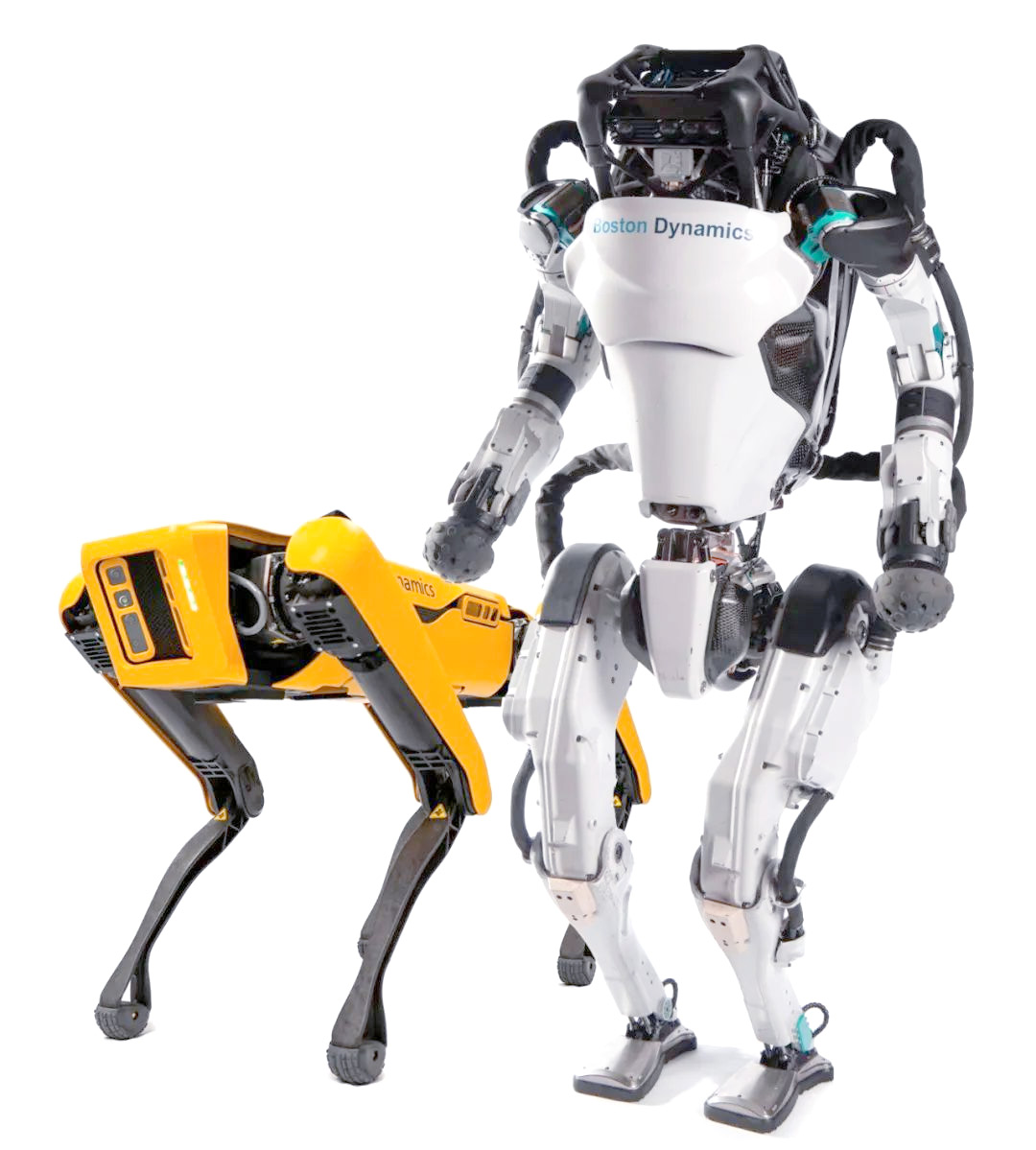
Domestically produced military robots have reached internationally advanced levels in IP rating and extreme temperature adaptability.
| Brand and Model | Type | IP rating | Operating temperature | Dead weight | Payload | Typical military applications |
|---|---|---|---|---|---|---|
| Unitree B2 | Quadruped robot | IP67/IP68 | -40℃~55℃ | ~50kg | 40kg+ | Border patrol, reconnaissance and detection, logistics and transportation |
| Boston Dynamics Spot | Quadruped robot | IP54 | -20℃~45℃ | ~32kg | 14kg | Military reconnaissance, explosive detection, base inspection |
| Milrem THeMIS | Tracked UGV | IP67 | -40℃~60℃ | 1650kg | 750kg | Casualty evacuation, ammunition transport, engineering operations |
| Endeavor Scorpion | Small UGV | IP67 | -30℃~50℃ | ~11kg | 5kg | EOD reconnaissance, indoor CQB, cave exploration |
| Norinco Sharp Claw Series | Tracked unmanned vehicle | IP65+ | -40℃~55℃ | 1000kg+ | 300kg+ | Firepower assault, reconnaissance and surveillance, accompanying operations |
| Aerospace Changfeng Tiandun-300 | Patrol robot | IP66 | -45℃~50℃ | Approximately 200 kg | Task load | Border outposts, base security, autonomous patrol |
The parameter comparison shows that domestically produced military robots have reached internationally advanced levels in IP rating and extreme temperature adaptability, with some indicators even surpassing comparable foreign products. The IP68-rated protection of the Unitree B2 places it in the global top tier among quadruped robots, and its -40°C low-temperature startup capability aligns with Nordic military standards, greatly expanding the boundaries of cold-region deployment.
Military environments are far more demanding than industrial scenarios, and sealing technology faces multiple unique challenges:
Seal failure in military robots is by no means a simple equipment malfunction; it can lead to serious tactical consequences:
For this reason, major military powers have made environmental adaptability and sealing reliability core tactical indicators for military robots, with sealing tests running through the entire process from development to deployment.
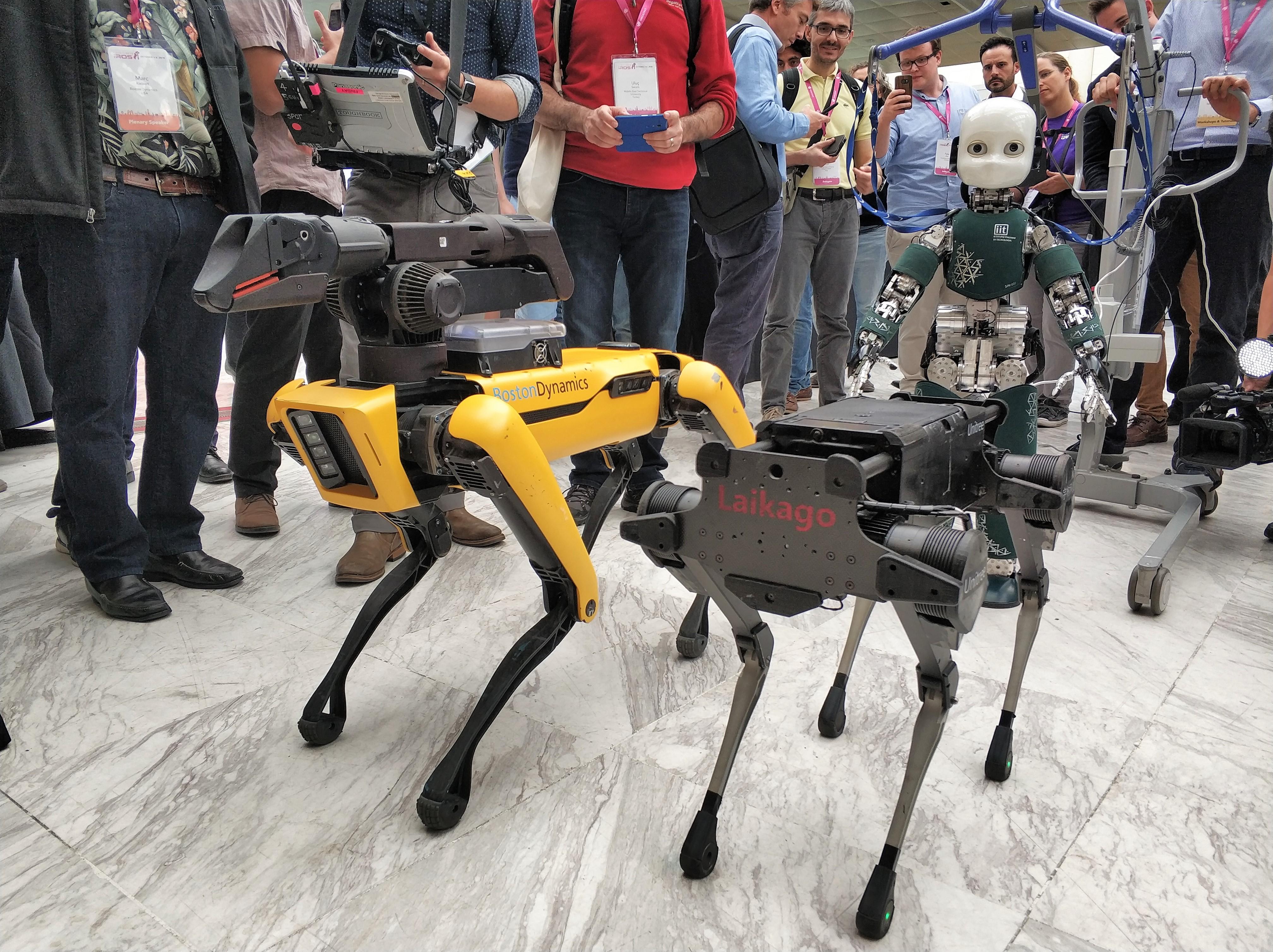
From qualitative to quantitative, from single-factor to comprehensive environments, sealing testing is becoming a core pillar of robot product competitiveness.
Sealing testing has evolved from a mere quality inspection step into a core pillar of robot product competitiveness:
From the IP68 protection of Unitree's industrial-grade quadruped robots to the military unmanned platforms of major global defense giants, sealing technology has always been the cornerstone of robotic environmental adaptability. As robots move from indoors to outdoors and from industry to the battlefield, the demands on sealing reliability will continue to rise. Every leap in IP rating numbers is backed by all-round advances in materials, structures, processes, and testing technologies.
For robotics manufacturers, establishing a comprehensive sealing test system is no longer optional—it is an essential capability for competing in the high-end market. Choosing a professional sealing test equipment supplier and building full-process testing capabilities from R&D validation to mass production quality control will become an important differentiating advantage for companies in the second half of robotics competition.
PLUS (Guangzhou) Intelligent Technology Co., Ltd. was founded in 2018. As a high-tech enterprise specializing in the sealing test field, it integrates R&D, production and sales, providing professional air tightness testing and waterproof test solutions for industries such as robotics, new energy vehicles, consumer electronics and medical devices.

WeChat for technical support

PLUS Douyin